
Sprint Interval Training and Its Effects on Central Hemodynamical Factors

In the last decade, various forms of interval training have gained popularity. In fact, high-intensity interval training has been in the top five in ACSM’s Annual Worldwide Survey of Fitness Trends since 2014. Sprint interval training has also gained popularity in recent years. These two forms of interval training are used in many different populations, including patients […]
The Heritage Family Study: Honoring the Past and Looking Forward

In 2022 we celebrate the 25th anniversary of the HERITAGE (HEalth, RIsk factors, exercise Training And GEnetics) Family Study. The May issue of Medicine & Science in Sports & Exercise® (MSSE) highlights a multitude of the more than 200 publications and other dissemination products from data generated from this groundbreaking and important research program. The HERITAGE study described the role of […]
Exercise Modality Influences Why Our Muscles Fatigue

During strenuous exercise, the neuromuscular system is repeatedly stressed, causing impairments to occur at various potential sites along the brain-to-muscle pathway. These perturbations cause a reduction in the ability of our muscles to generate force, which can increase our sense of effort, cause us to slow down and reduce our capacity to perform high intensity […]
How Does Exercise Improve Immune Bioenergetics?

Natural killer (NK) cells, which are found in the blood, are crucial in the prevention and treatment of cancer. They function by eliminating malignant tumors in an innate immune manner. NK cells express an array of activating and inhibitory receptors that recognize cancer cells without the need for immunization. Cytotoxicity is a process that results […]
High Intensity Physical Activity in Individuals with Elevated Levels of Coronary Artery Calcium Appears to Be Safe

The 2018 Physical Activity Guidelines for Americans notes that there is no obvious “best amount” of physical activity and no evidence of increased risk, even among those that engage in high intensity activities. However, vigorous physical activity may acutely increase the risk of heart attack and sudden cardiac death in some individuals. Recent studies have shown that large […]
High-Intensity Interval Training (HIIT) Enhances Neuroplasticity in Healthy Older Adults

Neuroplasticity is the ability of the brain to physiologically change due to our experiences. There is accumulating evidence for the benefits of a single session of aerobic exercise to enhance motor learning and neuroplasticity in young adults. Stationary cycling exercise performed immediately before or after skilled motor practice enhances motor learning that involves movements of […]
Highly Cushioned Shoes Improve Running Performance Even in the Presence of Muscle Damage

From a physiological perspective, long-distance running performance is determined by the interaction of three factors: maximal oxygen uptake, the highest oxygen uptake that can be sustained (at steady-state) and running economy (the amount of oxygen required to transport the body mass over a given distance). While each one of these factors is important to performance, […]
“Mind the Drift” of HR for Accurate Exercise Intensity Implementation in Prolonged Aerobic Exercise
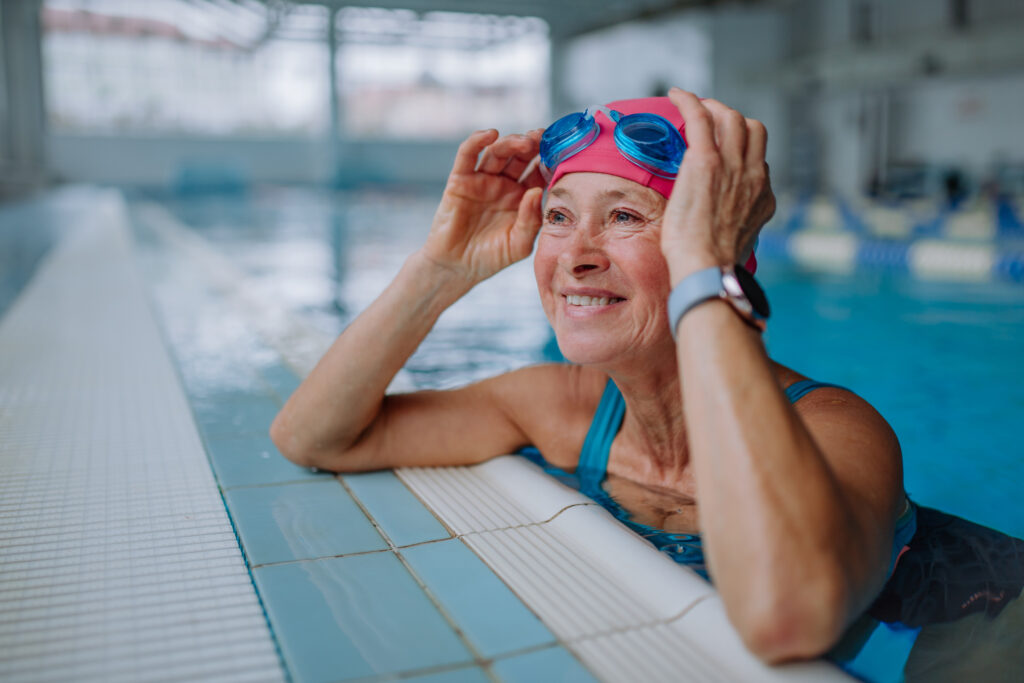
An appropriate and individualized dose of regular aerobic exercise is recommended to promote and preserve cardiorespiratory health throughout life. The exercise dose is defined by four ingredients: frequency, intensity, time and type of exercise. Among these, intensity is the most elusive term of the exercise “prescription.” It is typically determined from an external load (such […]
Low Fit Patients with Breast Cancer May Not Complete Chemotherapy
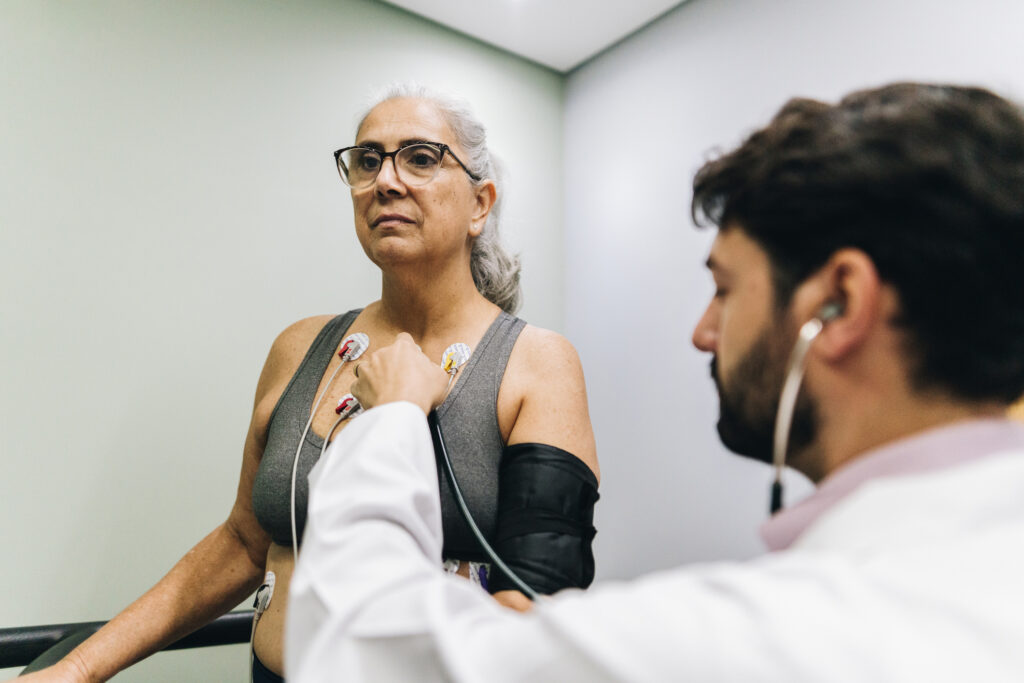
Several international guidelines and position statements have recommended that exercise should be embedded as standard practice in cancer care. The main argument for this has been symptom control, in particular for fatigue. Exercise during or after cancer treatment also improves quality of life, physical and role functioning, and reduces anxiety and depression. Following the 2018 […]
Does Menopause Make Women More Sympathetic to Exercise?

Cardiovascular disease remains the leading cause of death in women, and hypertension is a major contributing factor, particularly after menopause. The sympathetic nervous system — historically viewed as the “fight or flight” part of our autonomic nervous system — is involved in regulating blood pressure (BP) and can contribute to the development of hypertension. Previous […]