From Activity to Sleep: A Balanced Lifestyle Approach to Brain Health
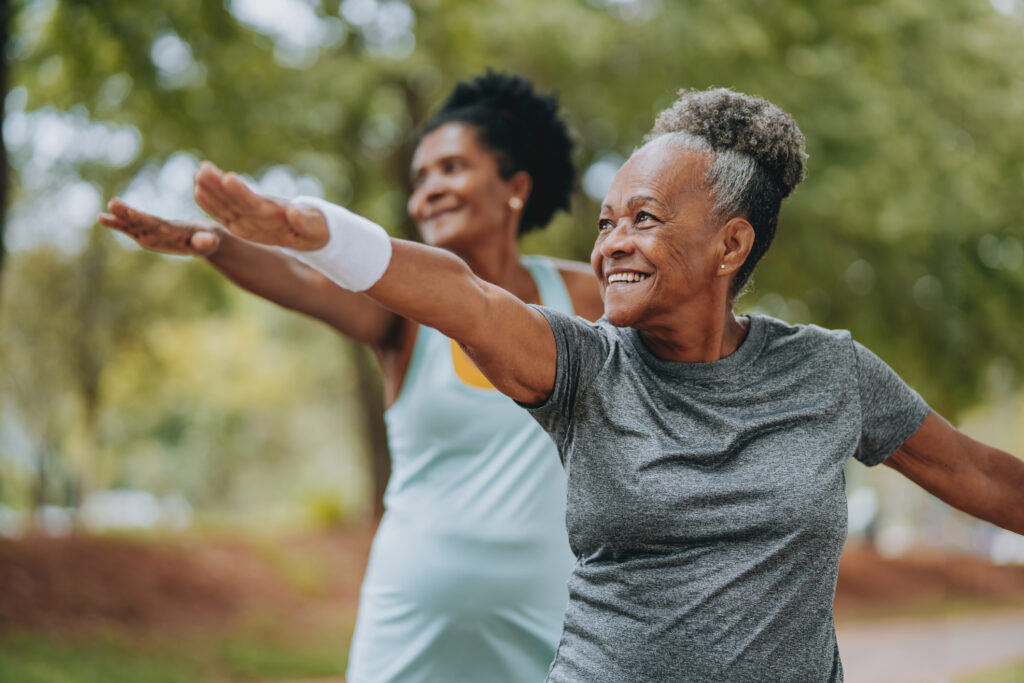
Dementia is one of the leading causes of disability and mortality worldwide, and modifiable lifestyle factors may be critical for preventing up to 45% of all-cause dementia occurring after age 65. Two key modifiable risk factors associated with reduced dementia risk and improved brain health are regular physical activity and good quality sleep. Physical activity […]
Post-Games Recovery: Lessons from Olympic Athletes
Now that the 2024 Paris Olympics have come to a close, I’ve been reflecting on the incredible performances we were privileged to witness. Over 10,500 of the best athletes in the world from 184 nations competed in 329 medal events over 16 days. As I have experienced with previous Games, I left feeling inspired by the Olympians […]
Ultramarathons and the Heart-Lung Interface
The popularity of ultramarathon trail running has increased rapidly in recent years, with thousands of events now held annually around the world. Ultramarathons are broadly defined by an event distance that exceeds the traditional marathon (42.195 km) and typically range from ~45 to 170 km. In contrast to the traditional marathon, ultramarathon events are frequently […]
Getting to Know the ACSM Foundation
The ACSM Foundation is organizationally structured as independent from ACSM but with the objective of supporting and advancing the mission and strategic plan of ACSM. To accomplish this goal, the foundation shepherds 25 funds, with a total value over $3.2 million. Over the past two years, the ACSM Foundation has updated all governance documents (bylaws and constitution) […]
Is Healthy Weight Gain in Athletes Realistic?
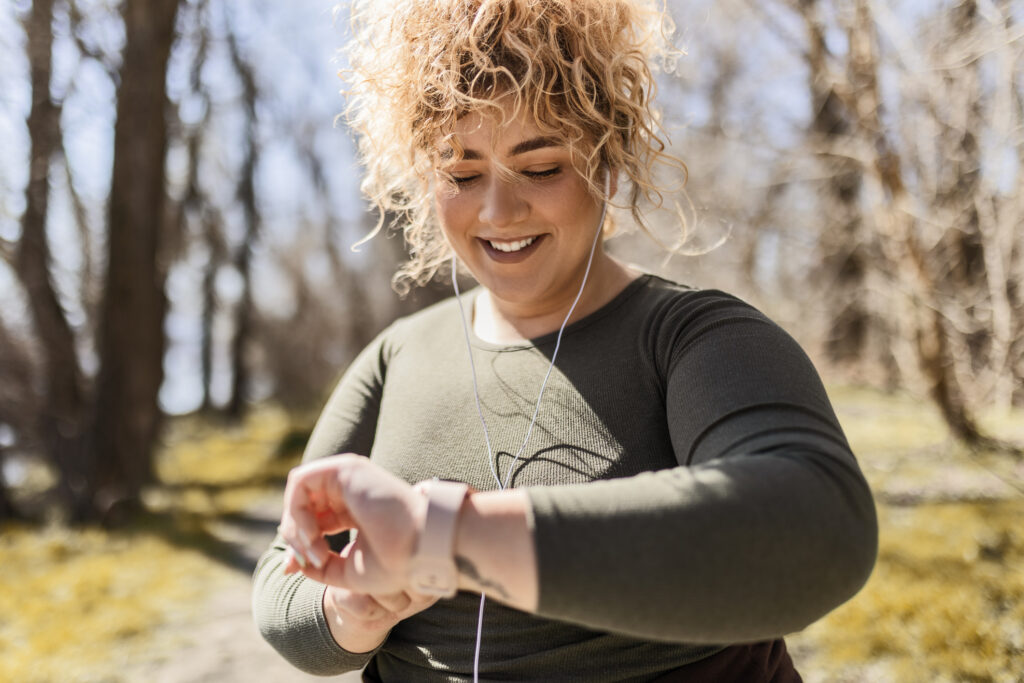
As a dietitian in the United States Army, many soldiers have sought nutritional advice from me with the goal of gaining muscle or bulking up before going to Ranger School. Many professional and recreational athletes likewise want to intentionally gain weight for reasons that include increased strength or power or being at a heavier body […]
Summertime and the 24-Hour Day: Get Teens Moving!
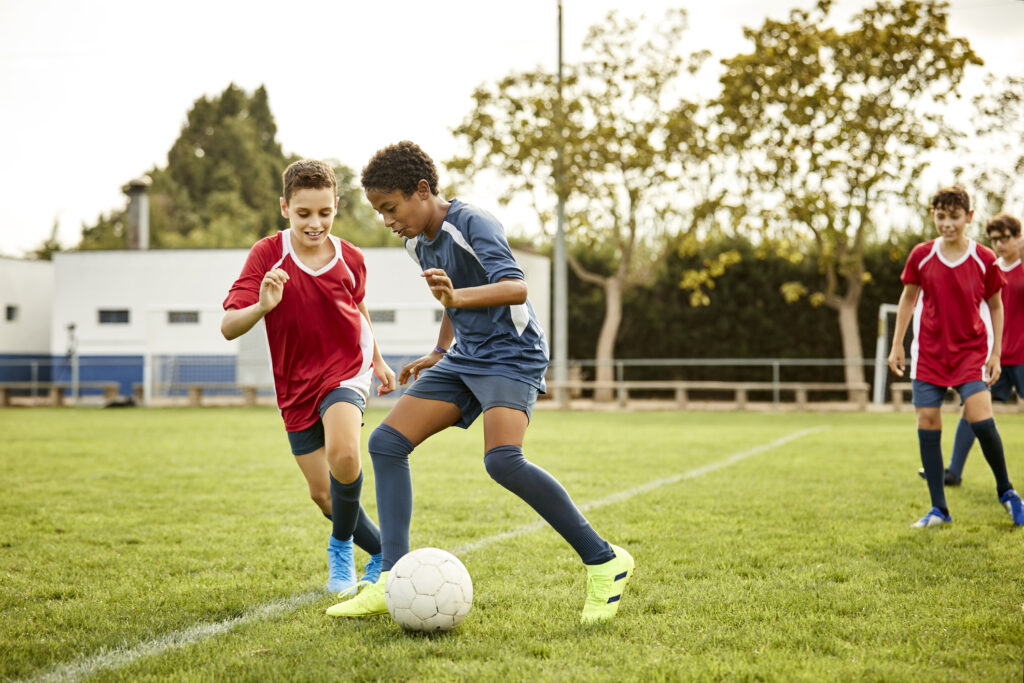
Everyone looks forward to the summer, especially teens. In the United States, this two- to three-month period is typically characterized by sleeping in, catching up on shows and taking part in assorted adventures. But today’s adventures may be different than those of the past. Just in case parents of today’s teens needed a reminder, we […]
Examining Running Speed after ACL Reconstruction
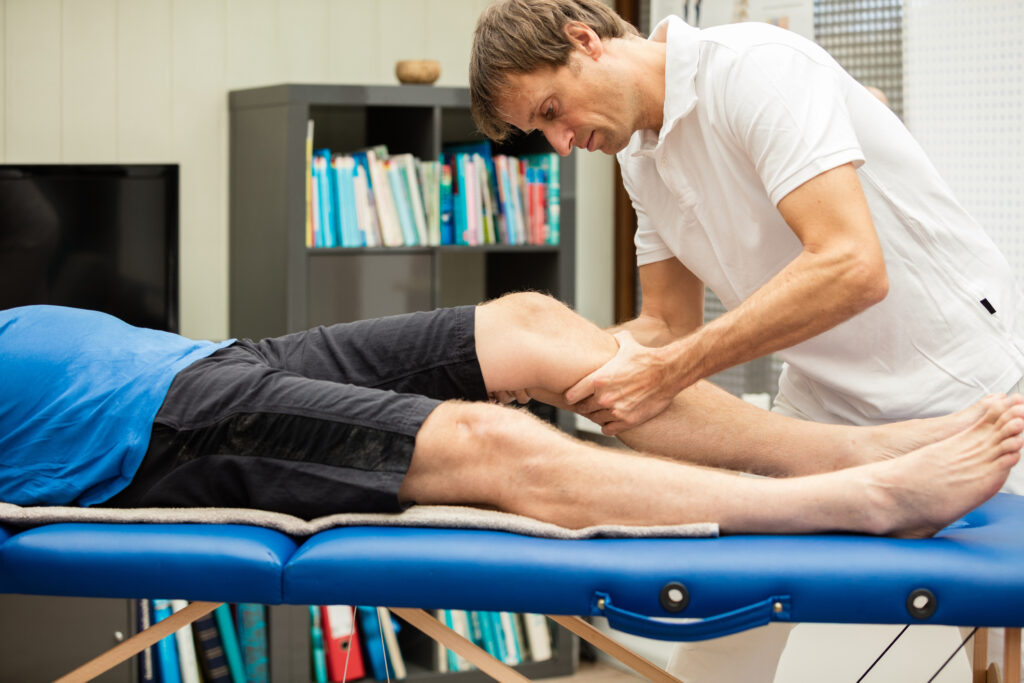
Following anterior cruciate ligament reconstruction (ACLR), athletes often exhibit altered knee biomechanics during running, such as reduced knee flexion angles and extensor moments of the surgical limb compared to the nonsurgical limb, healthy controls and the preinjury state. These altered biomechanics persist well beyond the standard course of rehabilitation and may impair athletic performance, increase […]
Does Cardiorespiratory Fitness Prevent Breast Cancer in Women?
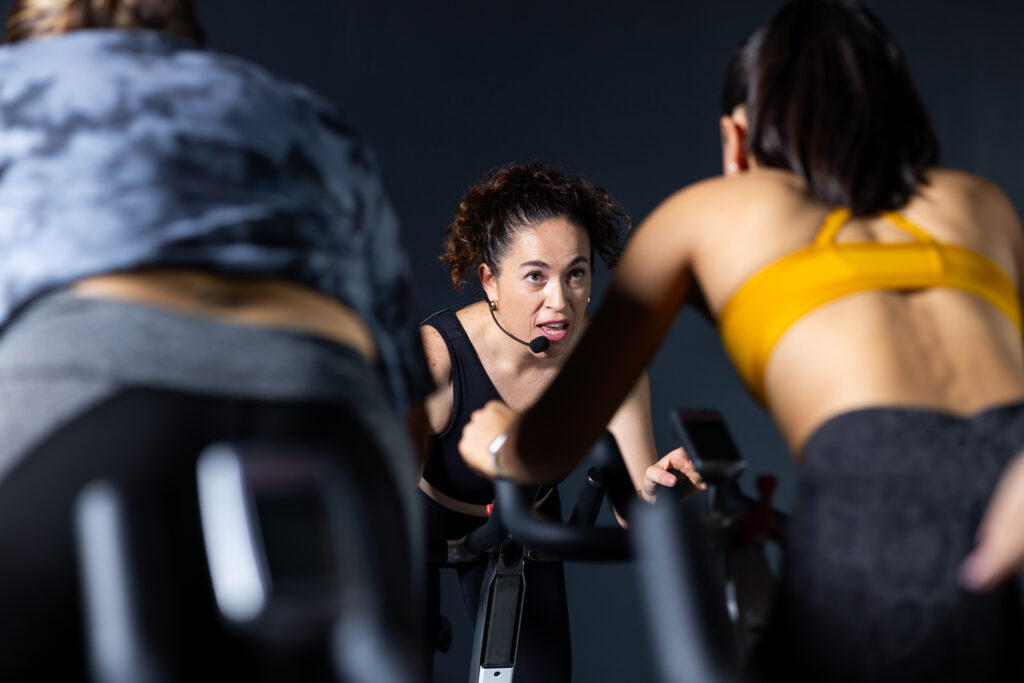
Scientific evidence collected for seven decades strongly supports the position that higher cardiorespiratory fitness (CRF) levels are associated with more favorable health outcomes, including mortality due to various cancers. Findings from several small population studies suggest that a physically active lifestyle offers protection against pre- and postmenopausal breast cancer. However, physical activity in these studies […]
This May, Actively Transport Yourself to Work and Play
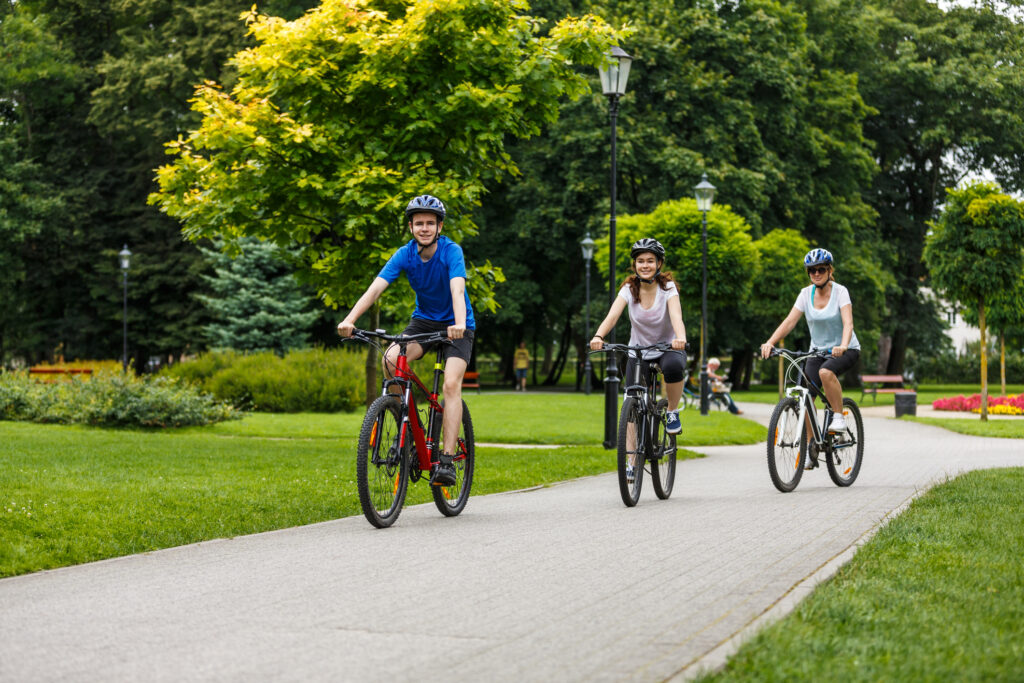
May is Active Transportation Month, a time to get outside — an experience enhanced by walking, riding or rolling rather than driving a vehicle. The health benefits of incorporating physical activity into one’s daily routines, whether during our commute, running errands or simply for leisure, have been extensively reported. These benefits span across cardiovascular, metabolic, […]
Understanding the Energy Requirements of Paralympic Athletes
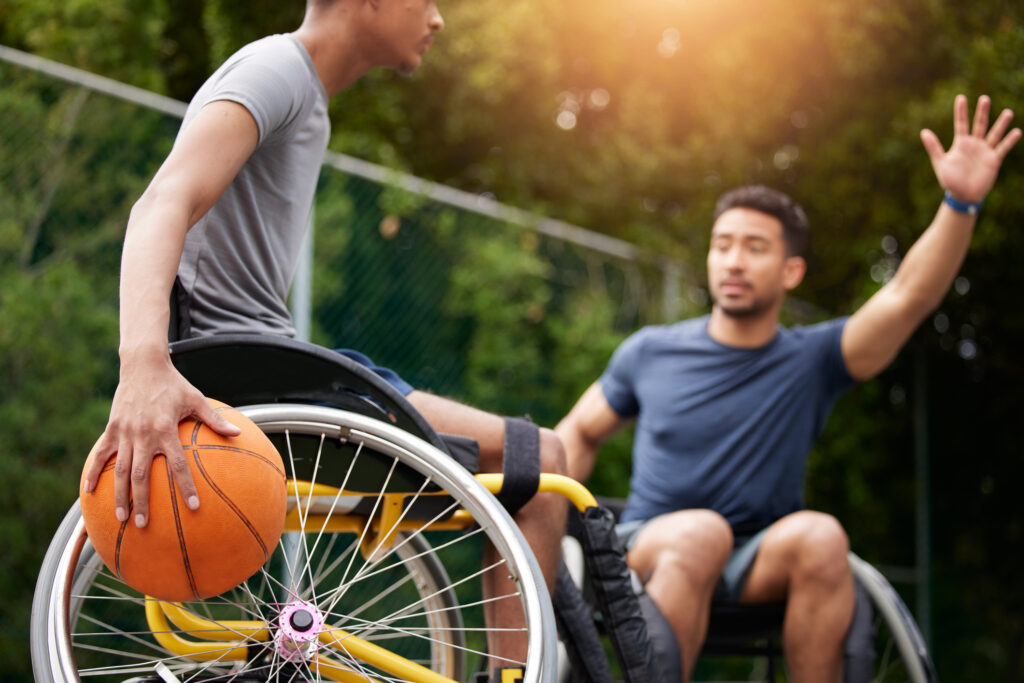
With the growing participation of athletes with disabilities in competitive sports, there is an increased need for specialized nutritional support tailored to their unique physiological differences. These athletes often exhibit distinct body compositions, metabolic rates, training loads and activity patterns compared to their peers without disabilities. Sports nutritionists, especially those working with Paralympic athletes, have […]