
Hot Topic | Strength & Power Exercise for Osteoarthritis
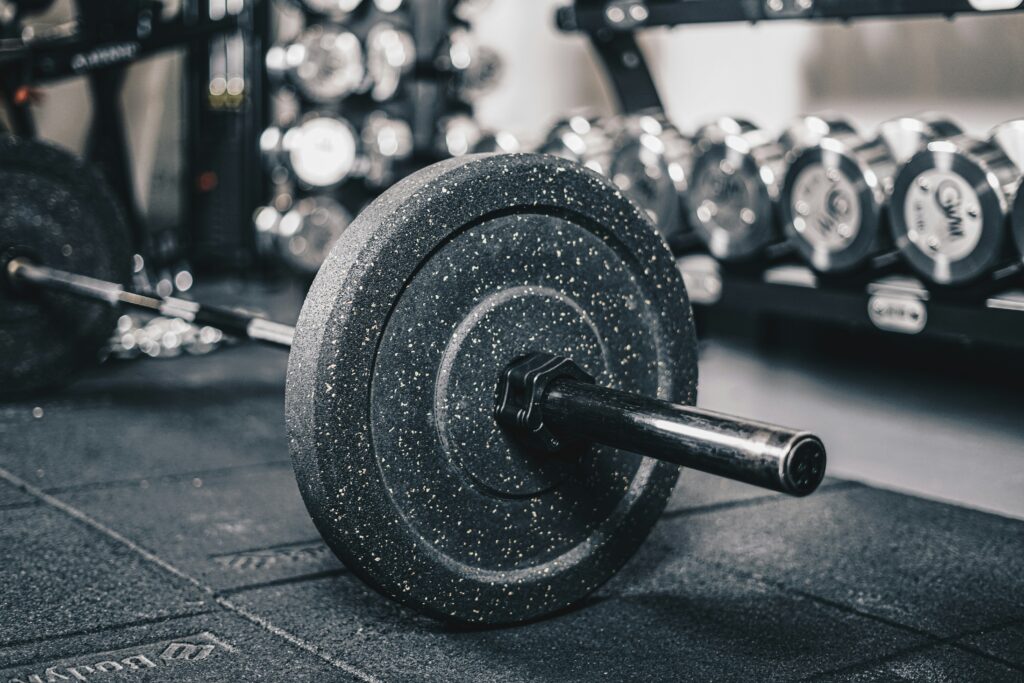
Osteoarthritis (OA) is the most common musculoskeletal disorder globally, affecting nearly 600 million people, or 7.6% of the population. Pain and loss of physical function are often the main limiting factors that impede aging adults from living a fulfilling, active life. While a well-rounded exercise program is recommended for OA management, strength and power training […]
Importance of Exercise in Hypertension Identification and Management
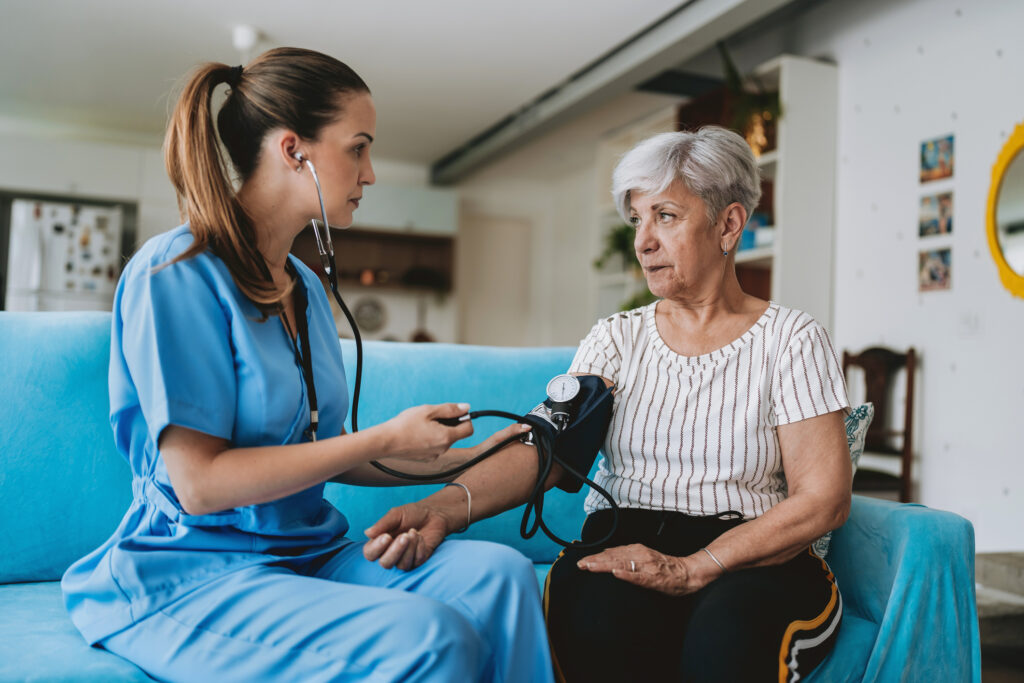
Hypertension, or high blood pressure, remains the leading modifiable cardiovascular disease risk factor. It is estimated that nearly half of American adults have hypertension, which is defined as a resting systolic blood pressure greater than or equal to 130 mmHg and/or a diastolic blood pressure greater than or equal to 80 mmHg. Even more alarming, […]
Pregnancy, 24-Hour Physical Activity Behavior and Infant Growth

Physical activity during pregnancy is recommended for its many benefits for both mother and fetus, including reducing the risk of pregnancy complications, perinatal depression and risk factors for childhood obesity, such as high birthweight. Many people of reproductive age are not active, and pregnancy can be a motivating time to start physical activity. Fortunately, current guidelines […]
Airborne Pollution and Outdoor Exercise
The World Health Organization (WHO) states that 99% of the world’s population lives in places where air pollution exceeds recommended limits. Thus, we should keep the questions of how, when and if to engage in outdoor physical activity top of mind. Interestingly, among the organs in the human body, the lungs are unique because they […]
Symptoms and Cognition in Female Collision Sport Athletes

Since the enactment of Title IX in 1972, the number of girls participating in high school athletics has tripled, with the greatest increases appearing in contact and collision sports. Despite this increase in sports participation, female athletes remain underrepresented in studies of sport-related brain trauma. With fewer true collision sports available for female athletes, previous […]
Personalized Fitness Plans via Mobile Health Technology
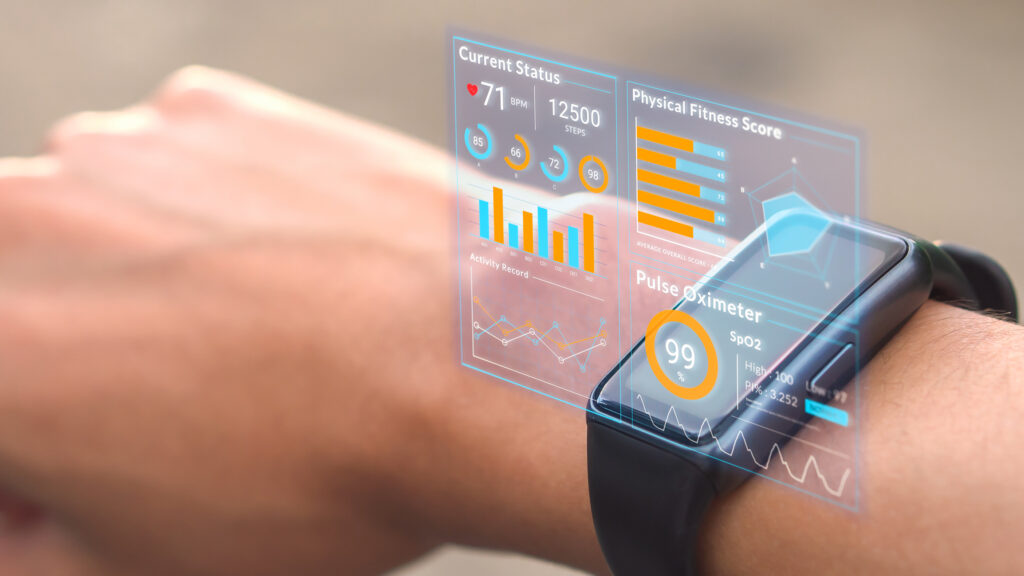
As you look around your home, you may spot devices like smartphones, tablets, smart TVs or even fitness tools like a smart gym, a smart soccer ball, or a virtual reality exercise bike. These devices not only keep us connected or entertained but also transform how we approach health and fitness. Moreover, these fall under […]
Diving into Health: Aquatic HIIT for Older Women
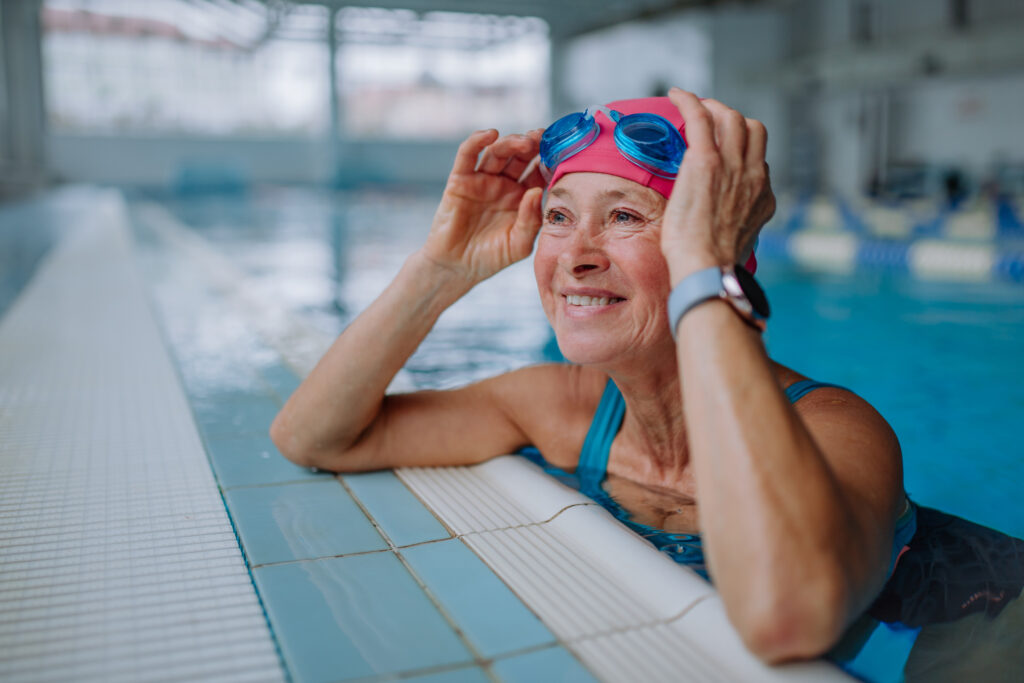
Recent public health guidelines emphasize the importance of high-intensity interval training (HIIT) as an effective strategy for improving cardiometabolic health, particularly among older adults. While land-based HIIT (L-HIIT) has gained popularity, it may not be the best fit for everyone, especially elderly individuals struggling with deconditioning and joint issues. This is where aquatic high-intensity interval […]
Physical Activity and Gestational Diabetes Mellitus
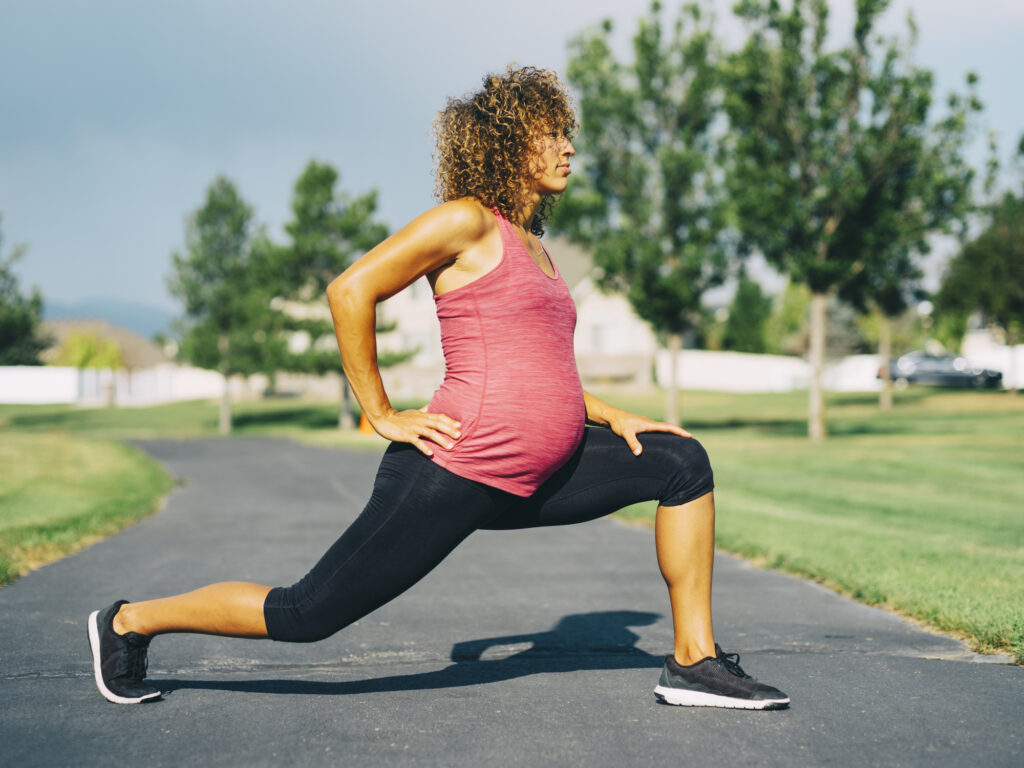
Over the nine short months of pregnancy, a woman will grow a new life (or two, or three!) along with a complex organ called the placenta. During this period of rapid change, a pregnant woman’s body also adapts to become progressively insulin resistant, ensuring there is sufficient glucose in the bloodstream to direct to the […]
Cardiorespiratory Fitness and Platelet Reactivity

Low cardiorespiratory fitness (CRF) has long been linked to cardiovascular disease (CVD), and platelets are key mediators in atherosclerotic CVD and thrombosis. However, few prior studies have examined associations between fitness and platelets, the majority exploring platelet reactivity after acute exercise bouts and showing a transient platelet hyperreactivity phase. Studies that have looked at chronic […]
Exercise, Good for Your Bones?
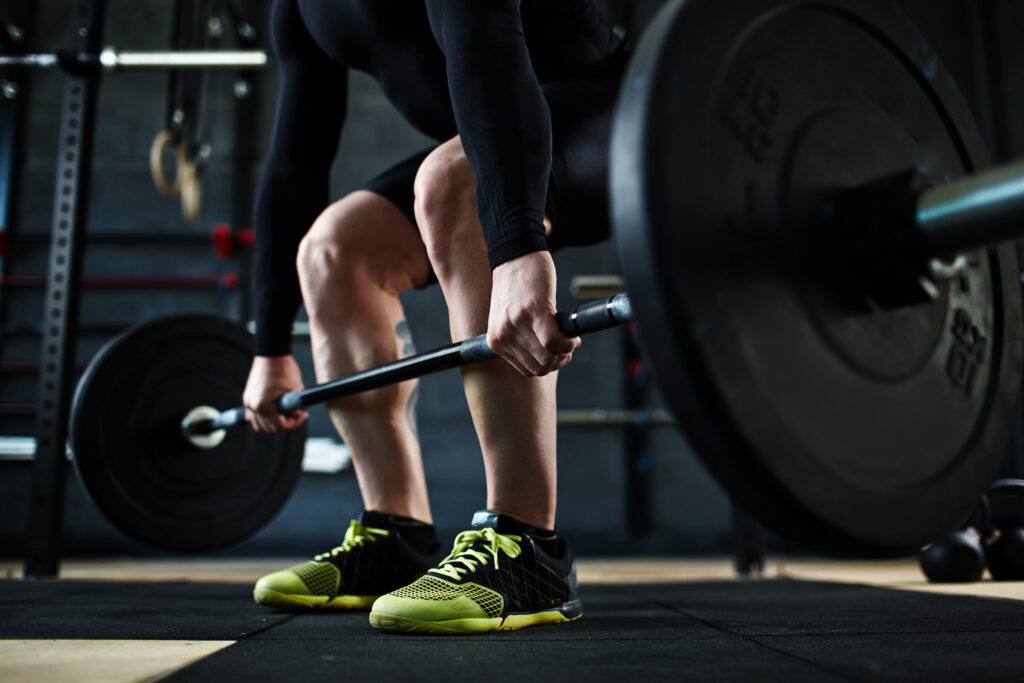
For too long, bones were viewed merely as inert structural components of the body, and there was little appreciation for their broader biological functions and responsiveness to stimuli. Today, however, we know that bones are dynamic, biologically active tissues with the innate ability to respond and adapt to various individual and environmental stimuli. Bone tissue […]