
Can Diet Help Athletes Manage ADHD?

As a sports nutritionist, I commonly counsel athletes who have Attention Deficit Hyperactivity Disorder—generally referred to as ADHD (or ADD). ADHD is characterized by hyperactivity, impulsivity, and/or inattention. It affects 4-10% of all American children and an estimated 4.4% of adults (ages 18-44 years). ADHD usually peaks when kids are 7 or 8 years old. […]
Music that Moves: Building a Playlist that Hits
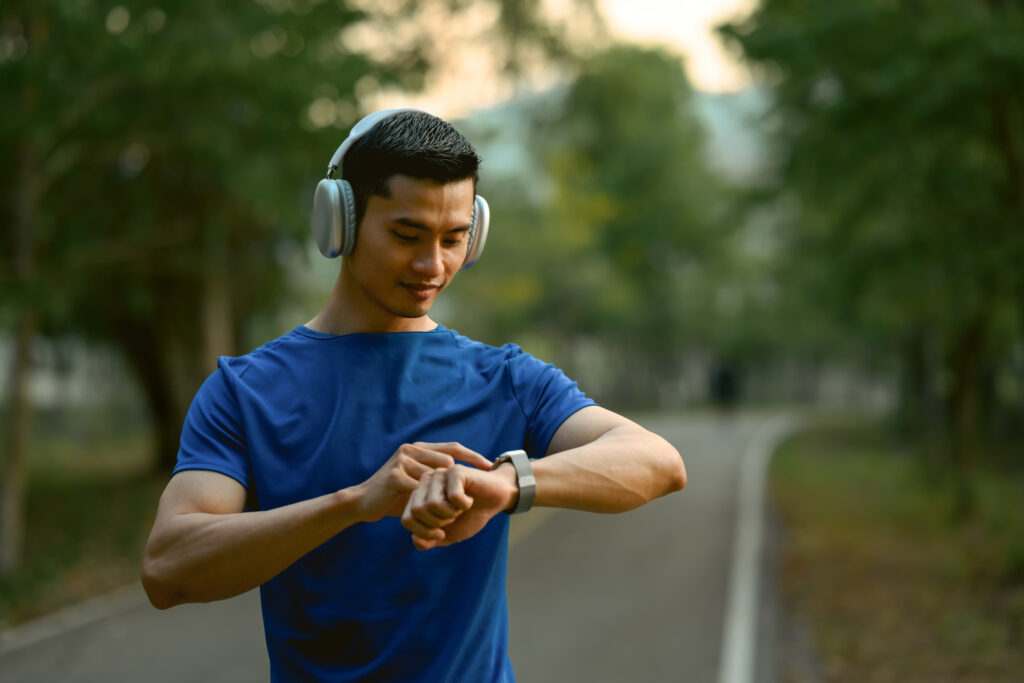
Anyone who has taken or taught a group exercise class knows the important role that music plays. The playlist sets the tone and tempo for the class, and it can greatly impact how much students enjoy the experience. Studies have shown that music can impact how hard students work during a class (intensity) and how long they […]
Making the Business Case for CEPs

The influence of cardiopulmonary rehabilitation (CR) participation on desirable patient outcomes is well established. Moreover, the role clinical exercise physiologists (CEP) and exercise physiologists serve in such programs is becoming better understood and desirable in many health care settings. Less understood, and perhaps more vital for substantiating the CEP’s role in health care, are the […]
5 Skills of High Performers in the Fitness Industry

Public health is having a moment right now, and the fitness industry must rise to the occasion. The truth is, the fitness industry is uniquely positioned to improve many public health outcomes through promotion of regular physical activity. Positioning physical activity as part of the health care continuum — as an accessible, integral part of […]
How Being Dual Credentialed Can Improve Your Hiring and Salary Potential

Whether you are a seasoned fitness professional or a new trainer entering the field, it’s more important than ever to be versatile and competent in working with a variety of clientele. As our industry shifts with the needs and demands of the public, we want to be educated and experienced working with clients one on […]
A Day in the Life of a Group Exercise Instructor
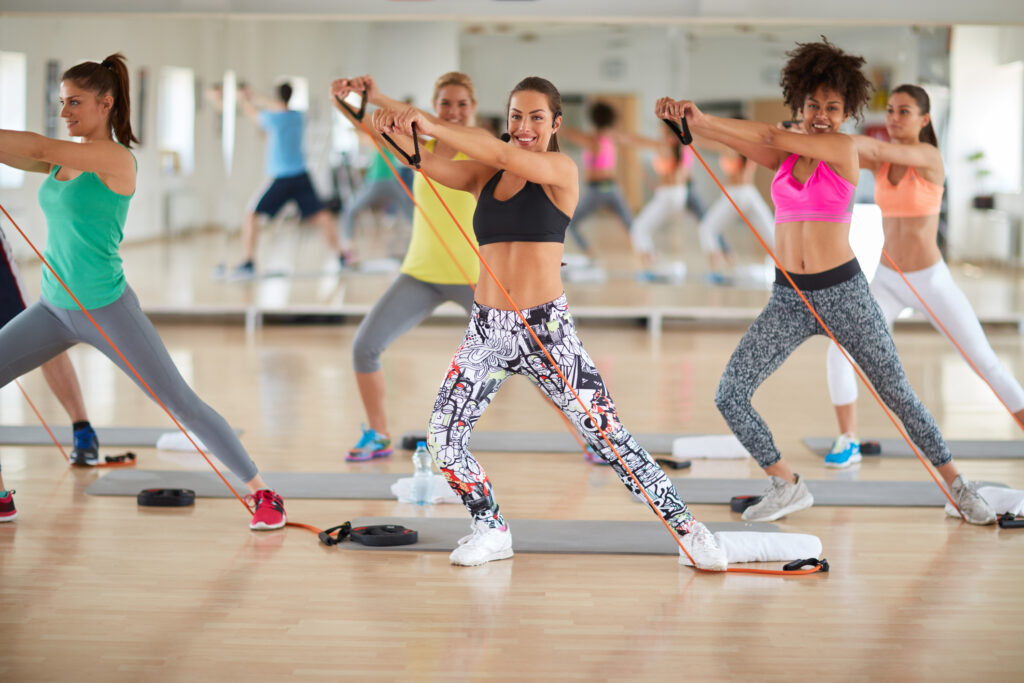
I always laugh when people assume that teaching group exercise means getting paid to exercise. So far from the truth! Any group instructor knows this is a fallacy. From the outside it looks easy to do — a little like a duck gliding along the in water, you don’t see the little legs churning. Still, […]
Integrating Eastern Mindfulness Movements into Exercise Routines in the Era of the Pandemic
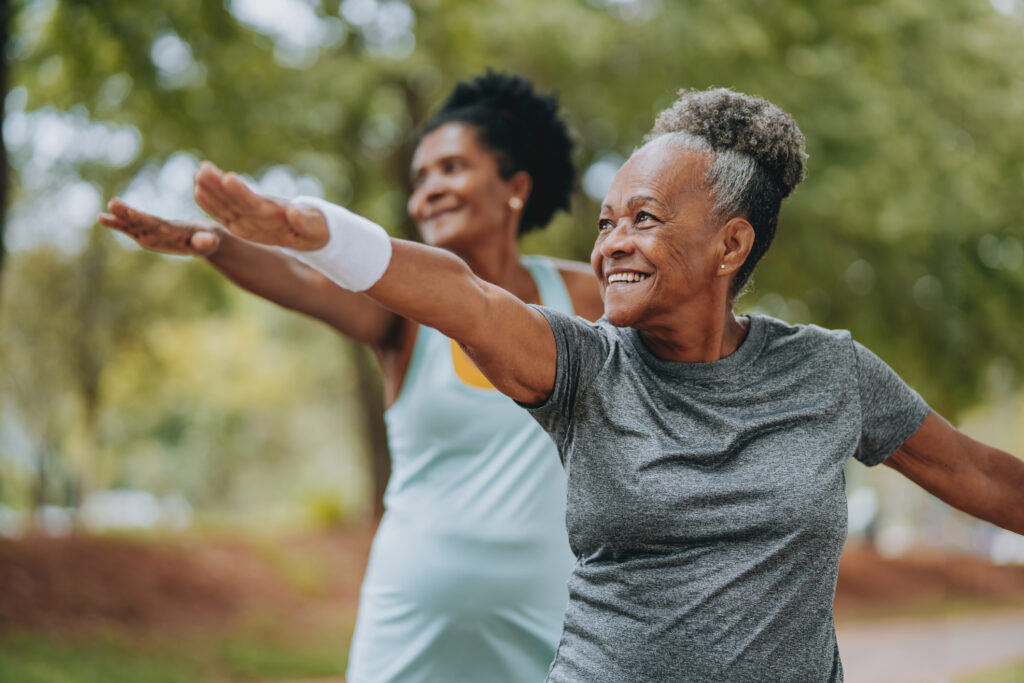
Take a look at the mass media and social media you are currently watching or reading in the month of May. What do you see? Most likely, you see articles mentioning Mental Health Awareness Month, Asian American and Pacific Islander Heritage Month, and exercise or physical activity recommendations in the era of the COVID-19 pandemic. […]
Alcohol Consumption and Exercise Performance
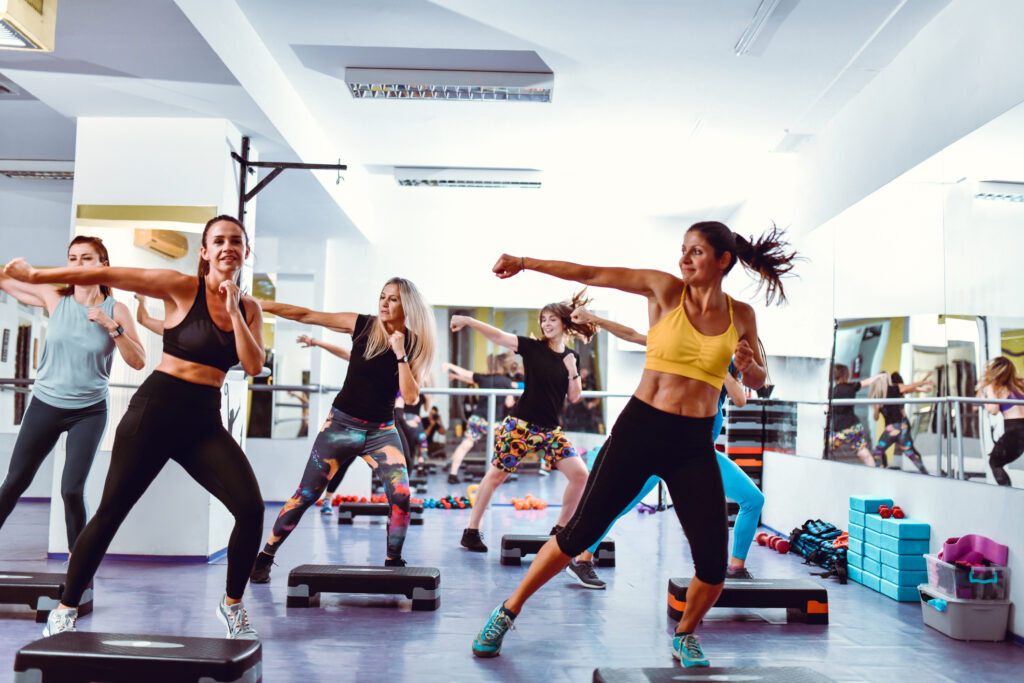
Alcohol consumption is a topic that is not often discussed with respect to exercise performance. Typically, people joke about alcohol consumption, in general; and yet, alcohol abuse is a very serious subject. In addition, it has been well established that alcohol negatively affects health and exercise performance. Alcohol has been shown to result in damaging effects to […]
Mental Health Awareness and the Role of Exercise Professionals

May is Mental Health Awareness month, which the American Heart Association calls “a time to raise awareness of those living with mental or behavioral health issues and to help reduce the stigma so many experience.” We might increase awareness by letting people know about the National Suicide Prevention Lifeline, which provides around-the-clock emotional support for people in crisis. […]
Client Challenge: Life-Change Stress Leads to Overeating, Unhealthy Food Choices

In this series, we’re exploring a variety of client scenarios. We describe a few tips from my science-based coaching toolbox to help you help your clients engage fully in a fit lifestyle that allows them to thrive, whatever thriving means in their lives. Today, we explore how to coach a client whose work responsibilities bring […]