Henry Ford Health Reimbursement Case Study

The Preventive Cardiology department at Henry Ford Health in Detroit, Michigan, employs 18 clinical exercise physiologists (CEPs) across three sites, as well as two registered dieticians (RDs); there are no other allied health professionals on staff. The Henry Ford Health CEPs provide a wide variety of services: For all of these categories, the CEP documents […]
Industry-Presented Q&A: How to Effectively Communicate the Science Behind Performance with your Athletes

Thank you to everyone who attended the March 10, 2022 Gatorade Sports Science Institute webinar on “How to Effectively Communicate the Science Behind Performance With Your Athletes.” Below is a series of follow-up questions and answers provided by presenter Kevin Luhrs. The course is still available here along with 1 CEC. Save up to 50% on […]
Clinical Exercise Physiologists in the Workforce
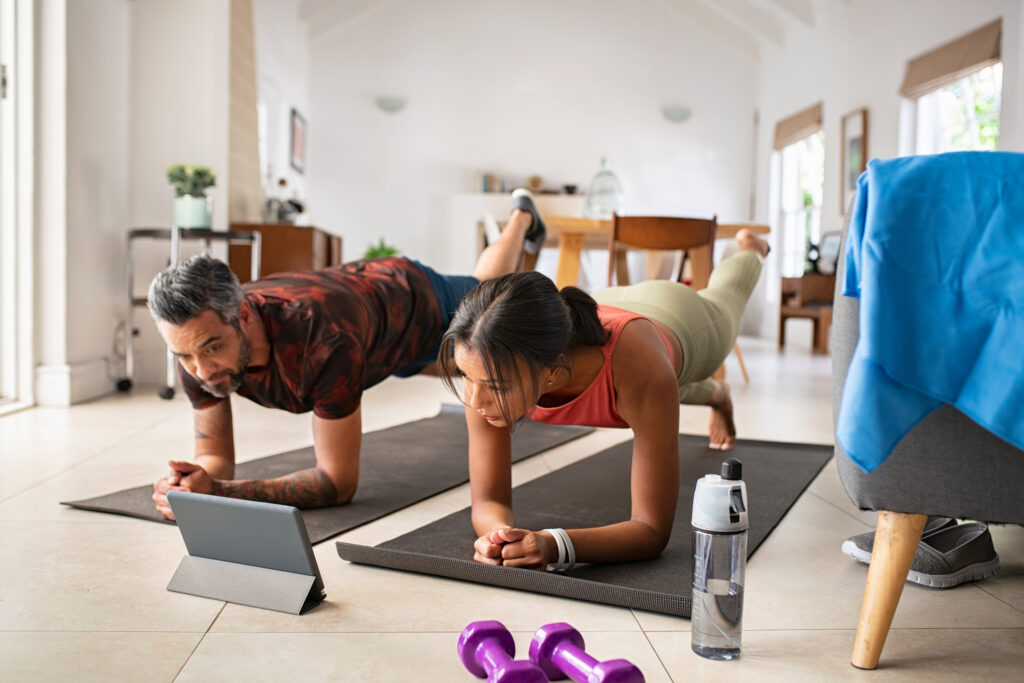
A clinical exercise physiologist (CEP) is an allied health professional trained to work with persons diagnosed with a chronic disease for which exercise training has been shown to be therapeutically beneficial. Such conditions include cardiovascular, pulmonary, metabolic, neuromuscular, immunological and orthopedic disorders, among others. Primarily, CEPs work in medically supervised environments providing programs or services directed by […]
How ACSM-EPs and ACSM-CEPs Can Advance the Profession’s Recognition, Compensation

In March 2021, ACSM assembled a task force to determine how to streamline the reimbursement process for ACSM Certified Exercise Physiologists® (ACSM-EPs) and ACSM Certified Clinical Exercise Physiologists® (ACSM-CEPs). The consensus? Get ACSM EPs and CEPs recognized as qualified health care professionals, or QHPs. Well, what’s a QHP? According to the American Medical Association, a QHP is […]
Becoming an ACSM Certified Exercise Physiologist®: Who, Why and How
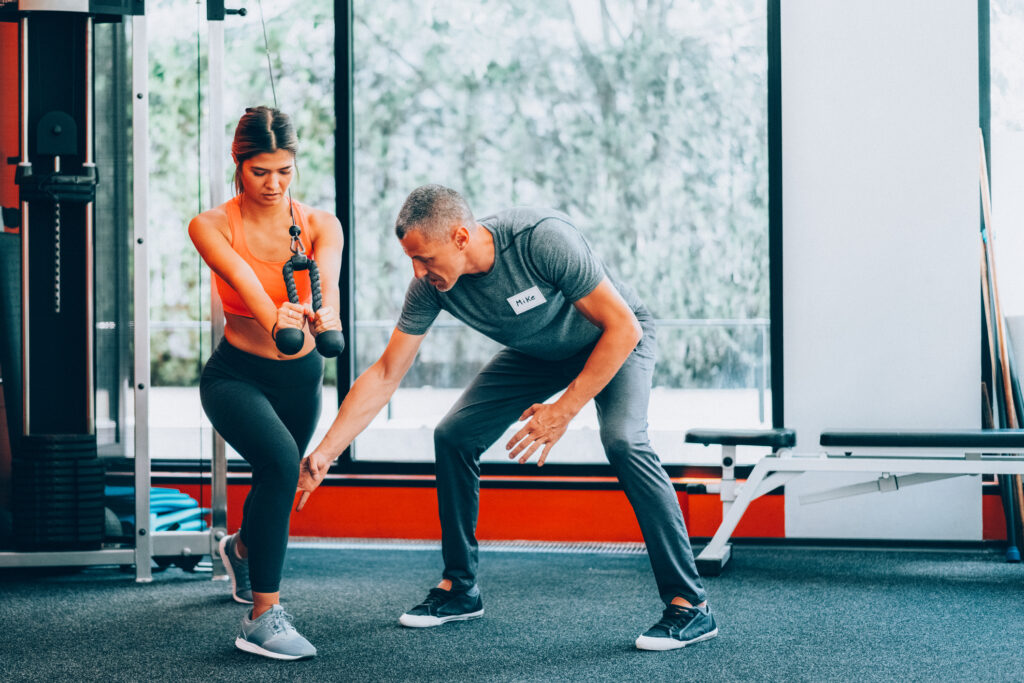
During their undergraduate academic careers, students majoring in exercise science-related fields contemplate various career paths and often seek guidance regarding the necessary steps to begin their career upon graduation. It is common to encounter soon-to-be graduates who want to work in the fitness industry but are confused about the wide breadth of certifications currently available. […]
Physical Activity Engagement for Clients with Intellectual and Developmental Disabilities
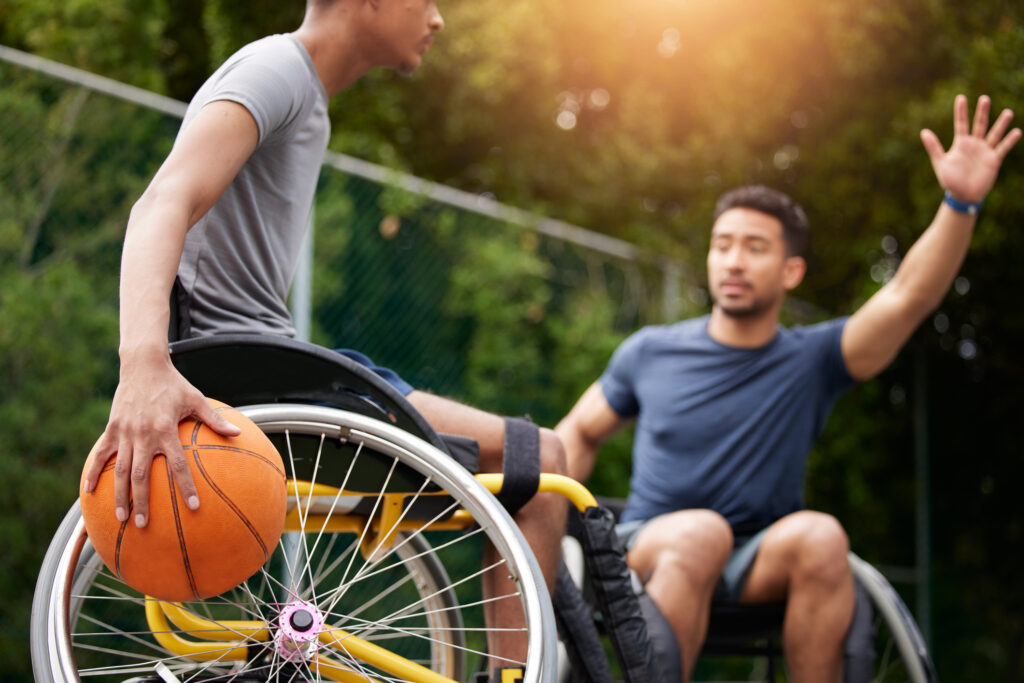
As a fitness professional, working with a client with intellectual and developmental disabilities (IDD) can present a uniquely difficult, though rewarding, experience. People with IDD face unique barriers to engaging in and adopting regular fitness regimens, including individual physical and cognitive limitations, time constraints and transportation restrictions, and access to facilities and appropriate programming.1 Therefore, tailoring […]
Case Model: Cardiac Rehabilitation CEP
My name is Vanessa Valle, and I’m an exercise physiologist at the Cardiac Rehabilitation and Wellness Center at the University of California, San Francisco (UCSF). Our program opened in October 2019 and, just as we were gaining some kind of semblance of momentum, we shut down due to the COVID-19 pandemic. Every policy and procedure […]
Exercise and Energy Drinks: What Does the Research Say?
Should your clients use energy drinks to improve their exercise performance? The short answer is no. But it’s important to understand why. Energy drinks, or “EDs,” are fundamentally different from sports drinks (e.g., Gatorade) and traditional beverages like coffee, tea, soft drinks, juices and flavored water. Most contain three major components: high levels of caffeine, […]
How Coaching Works for the Exercise Professional

Wellcoaches created the animated movie How Coaching Works to explain health and well-being coaching when the field was in its infancy. Now with almost 2 million views, the video remains a useful illustration of the best qualities of a helping relationship. Let’s take a look at the psychological underpinnings of the cartoon, which will provide insight into useful […]
Tips to Help Start a Heart-Healthy Lifestyle
Heart Health Starts Early! Lifestyle Matters With COVID-19 on our minds so much these days, it is easy to forget that people are still dying of cardiovascular disease (CVD). The new heart disease and stroke statistics are out for 2022, and there is some good news and bad news (Tsao et al., Circulation, 2022). Let’s […]