Urban green spaces: A “green third place” to promote community
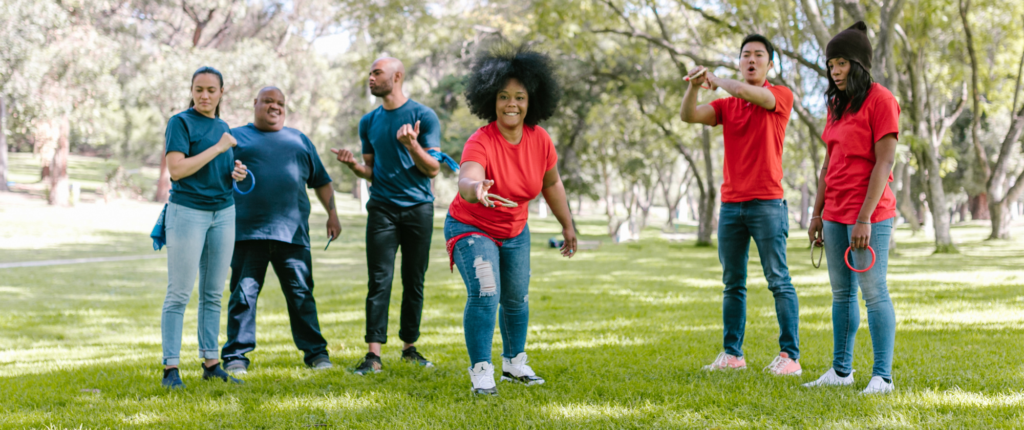
I love my local public green spaces. I have two (a town park and a nearby school) within easy walking/biking distance from home. We see friends and acquaintances regularly when at the playground, swimming in the river or attending community events like concerts, fairs or athletic competitions. It is wonderful to connect with your neighbors and […]
A Fitness Professional’s Introductory Guide to Assessing Static Posture: Part I
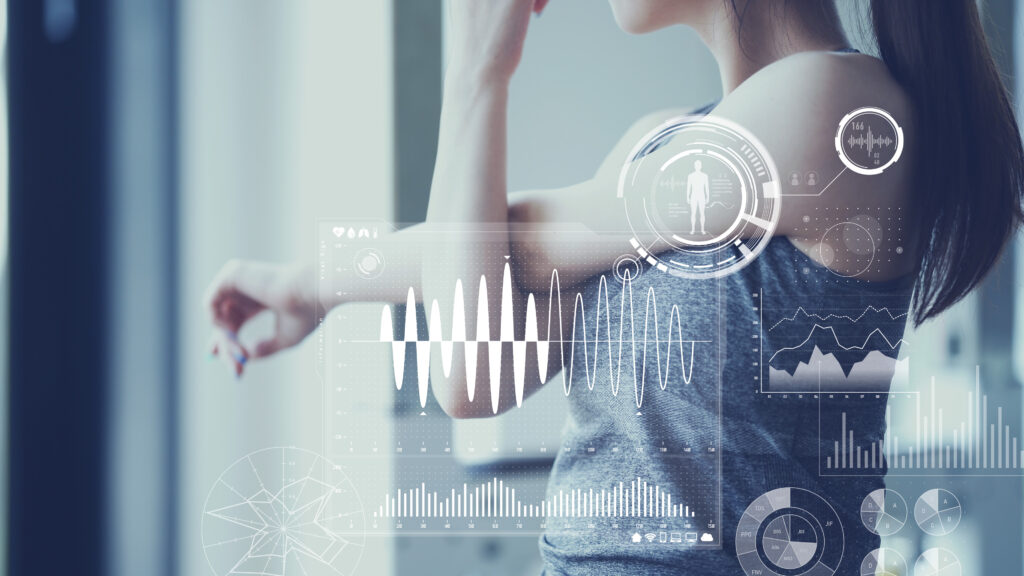
Over the last decade or so, assessing static and dynamic posture has become increasingly common during health and fitness assessments performed by certified fitness professionals with clients, athletes, and patients. This has been a great addition to certified fitness professionals’ toolboxes to assist in determining possible postural deviations and movement compensations that may be caused […]
Cold Water Immersion: Friend or Froze?
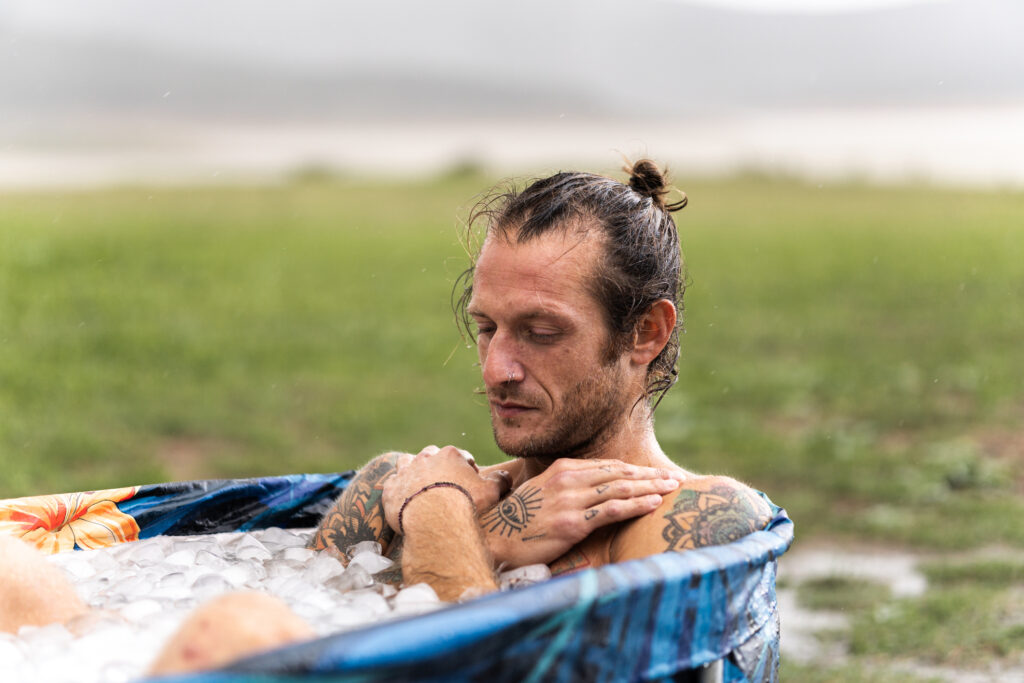
The Good Athletes today have a variety of cryotherapy options available to them. Cold water immersion (CWI) is the most studied cryotherapy application and the most commonly used modality for athletes at all competition levels in post-recovery regimens. CWI is thought to affect pain pathways through alpha and c-fibers, limit the inflammatory process and cell damage, expedite metabolite removal and improve energy […]
Optimal Race Weight for Endurance Sports: A Complex Issue
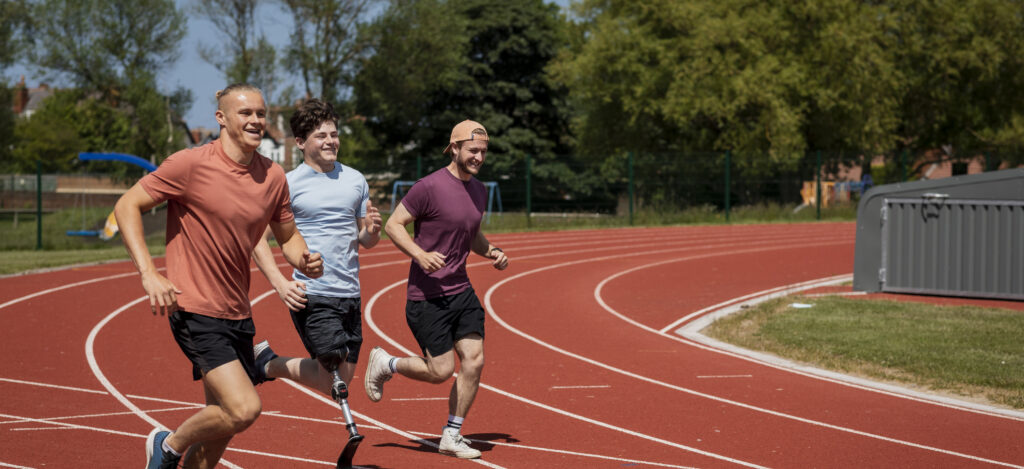
Sports performance is simple and definite. Someone wins, and someone else loses or comes second. Therefore, it is tempting to think in binary terms about other aspects of sports performance. The laws of physics predict that an increase in power-to-weight ratio will increase the speed of a body moving against gravity. If body fat (or […]
5 Reasons College Students Should Get an ACSM Personal Trainer Certification

1. Your college classes become way more interesting. So much of the university experience can feel like it’s completely separate from the real world. But if you’re in exercise science or a related field, earning an ACSM Certified Personal Trainer® (ACSM-CPT) certification will help you translate what you’re learning in the classroom into practical tools for […]
Grant Proposal Writing: Tips for Success

ACSM Foundation grant applications open after Labor Day. We polled the Research Review Committee for their top tips for a high scoring grant application. Here’s what we learned: Writing – Make it easy for reviewers to read The number one piece of advice from experienced grant reviewers is to use clear, concise writing. You aren’t evaluated […]
Natural Health: Access to Nature Improves Mental Health, Physical Activity and Chronic Diseases
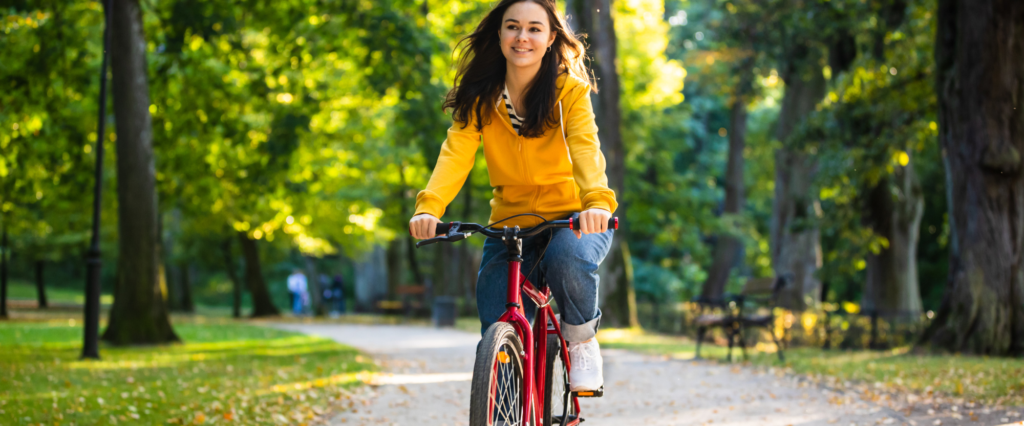
Have you ever wandered to a local park after a long day or a long week, taken a deep breath, and felt stress and tension leave your body? You are not alone. Just 20 minutes per day of exposure to natural environments decreases stress and improves cognitive function, blood pressure, mental health, physical activity and sleep. Chronic […]
10 Tips for Success on the ACSM-GEI Exam
A group exercise instructor is a fitness professional who safely teaches, leads and motivates individuals through intentionally designed exercise classes. Those who are ACSM Certified Group Exercise Instructors (ACSM-GEIs), provide safe and effective instruction across many class types, from dance fitness, to indoor cycling, to high-intensity interval training (HIIT) and everything in between. ACSM-GEIs come in […]
Importance of Including Translational Research in Your Syllabi
The phrase translational research has been used since about 1993. According to the National Institutes of Health (NIH), translational research has two parts: 1) using research conducted in the laboratory and pre-clinical studies to design trials in humans, and 2) ensuring that research is used to adopt best practices in the community. Regardless of the type […]
Physical Activity Guidelines Midcourse Report: A Q&A with Federal Lead Katrina Piercy, PhD, FACSM
Dr. Katrina Piercy, FACSM, is the director of the Division of Prevention Science within the U.S. Department of Health and Human Services’ (HHS) Office of Disease Prevention and Health Promotion (ODPHP), having taken on the role in January 2022. Piercy earned a Ph.D. in exercise physiology and nutrition from Virginia Tech (in the department now […]