
10 Tips for Building Fit Kids
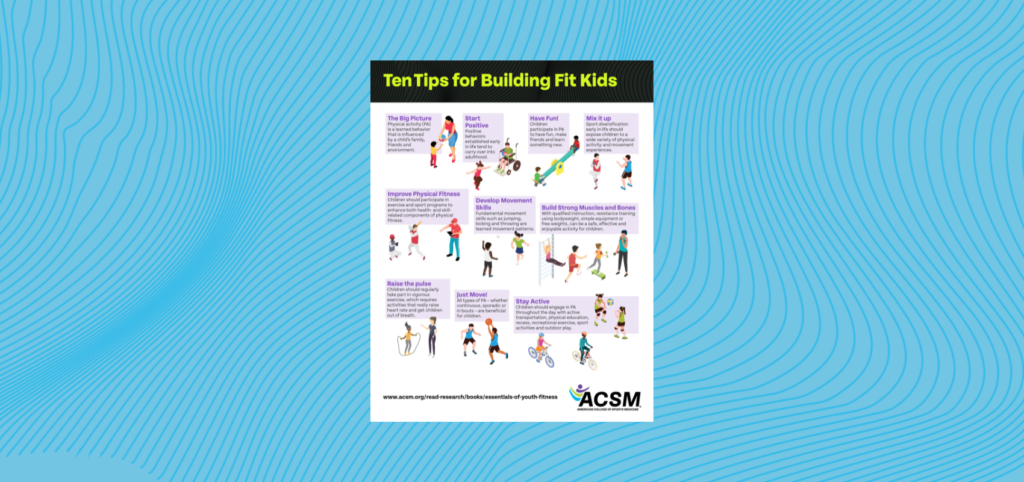
Presented in association with ACSM’s Essentials of Youth Fitness book, and the 10 Myths about Youth Physical Activity blog.
Gunnar A.V. Borg (November 28, 1927 – February 2, 2020) | A Multilayered Legacy
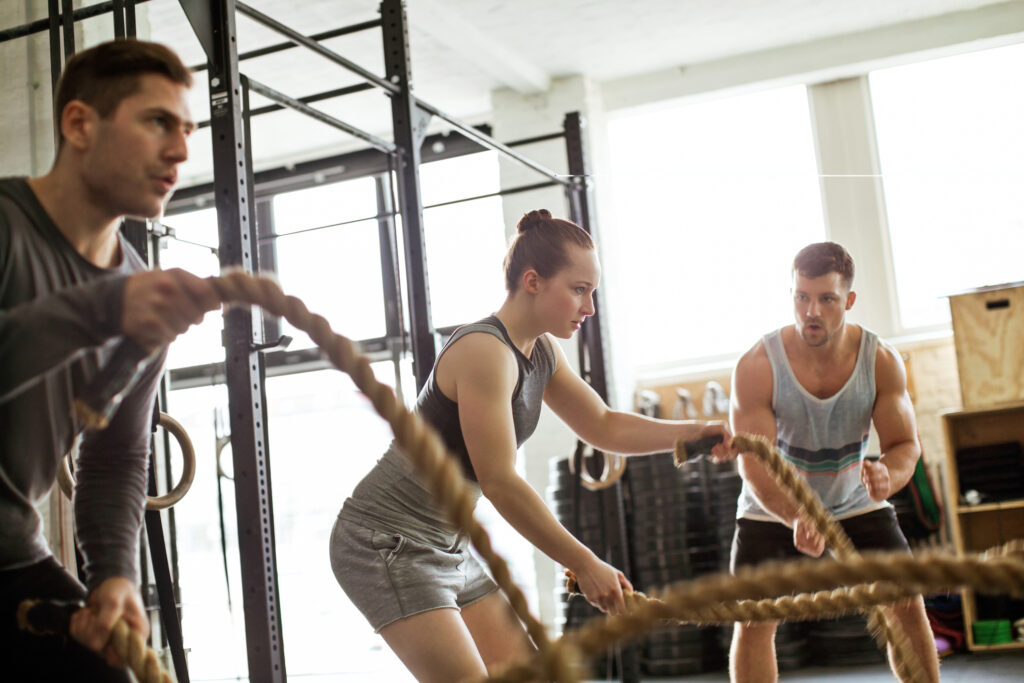
It is a rare achievement for a researcher’s name to be recognized, and for a body of work to be appreciated, across all the diverse subdisciplines of exercise science. Gunnar Borg is one such name, and his research on perceived exertion is one such body of work. Gunnar Borg passed away earlier this month, at […]
Disparities in the Quality of Physical Activity Environments
There are race, ethnic and socioeconomic status (SES) disparities in physical activity. The disparities differ by domain of physical activity (e.g., occupation, transportation), but there is consistent evidence that leisure time physical activity is lower among individuals with lower income and members of most race and ethnic minority groups. One possible explanation of these disparities […]
Back into Action: A Coach’s Guide to Putting a Player back in the Game
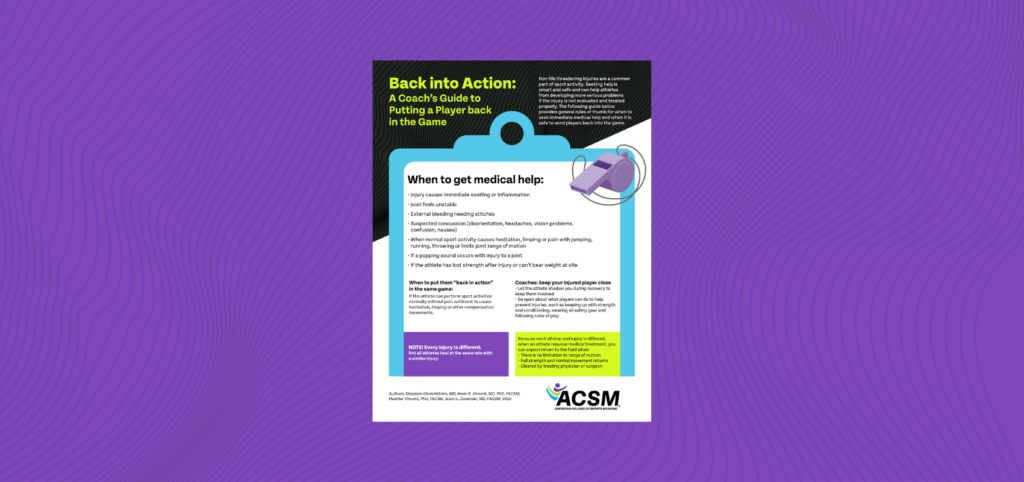
This guide provides general rules of thumb for when to seek immediate medical help and when it is safe to send players back into the game.
Physical Activity Guidelines for Cancer
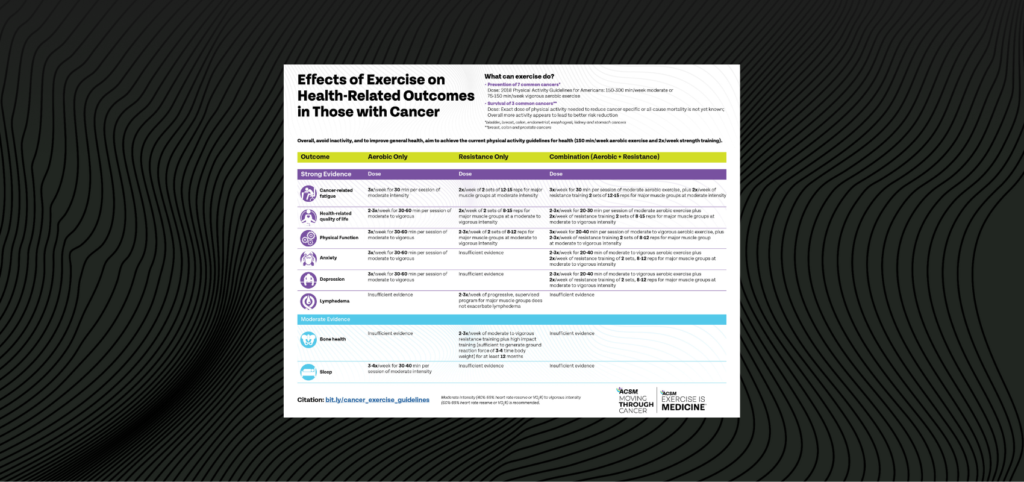
This chart outlines the effects of exercise on health-related outcomes in those with cancer. The guide features evidence-based physical activity recommendations and the associated benefits for specific symptoms and side effects of cancer and its treatments.
How to Craft Your Article Title to Increase Views and Citations

Most academics use the citation count of their peer-reviewed publications to assess the impact of their research. Unfortunately, a substantial proportion of published articles are poorly cited, which suggests a minimal contribution by this work to the knowledge in a field. For example, Kortlever et al. found that 36% of the 135,029 articles published in 204 orthopedic journals between […]
Training the Nervous System after Stroke
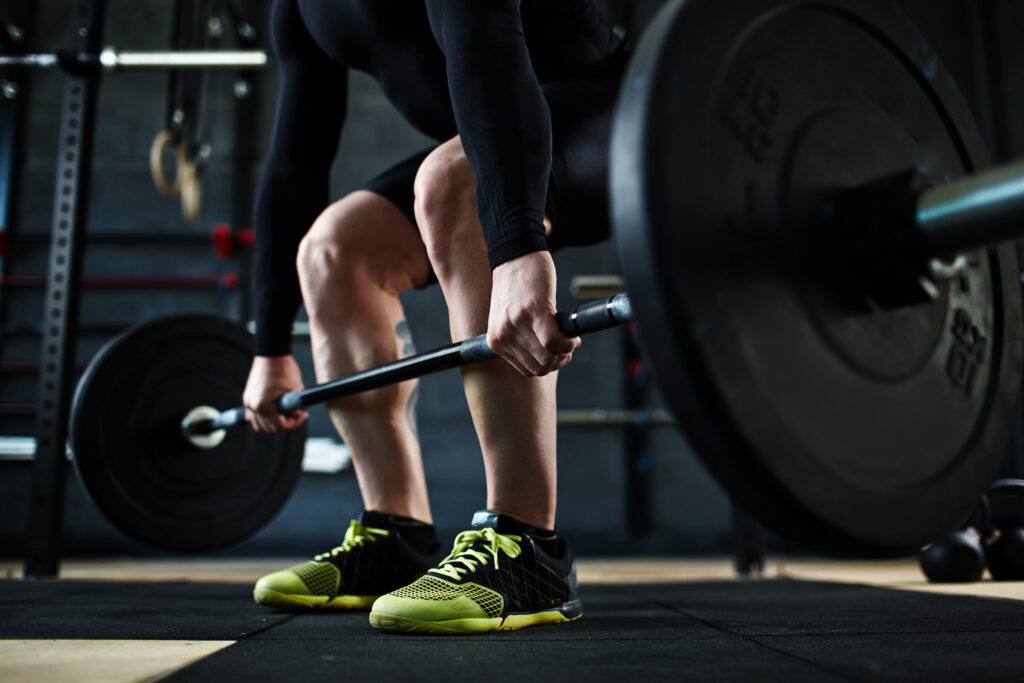
Neurotraumatic injury such as stroke is not typically symmetrical. So, it is no surprise that such damage results in a more affected side, which results in more dramatic muscle weakness and spasticity. However, evidence suggests that some human movements have conserved neural linkages even post-stroke. Thus, training the more affected side made indeed enable the […]
Exercise for Cancer Prevention and Treatment
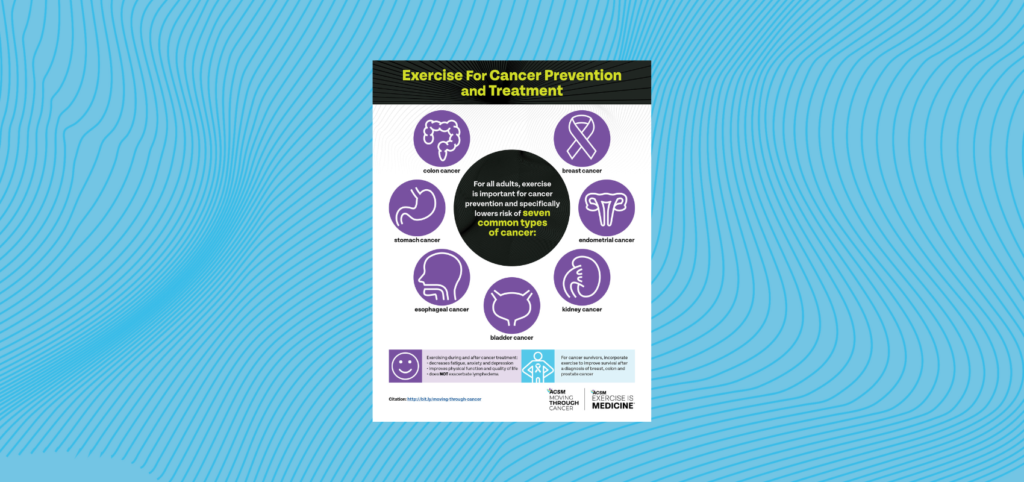
For all adults, exercise is important for cancer prevention and specifically lowers risk of seven common types of cancer: colon, breast, endometrial, kidney, bladder, esophagus and stomach.
Investing in a Personal Trainer
A qualified personal trainer can help you safely start and maintain an effective exercise program. Making the right choice in a fitness professional is an important investment to your health, wellness and life. Experienced ACSM professionals have created this resource to help guide you to selecting the right personal trainer to help you reach your personal […]
Physical Activity and Function in Older Age: It’s Never too Late to Start!
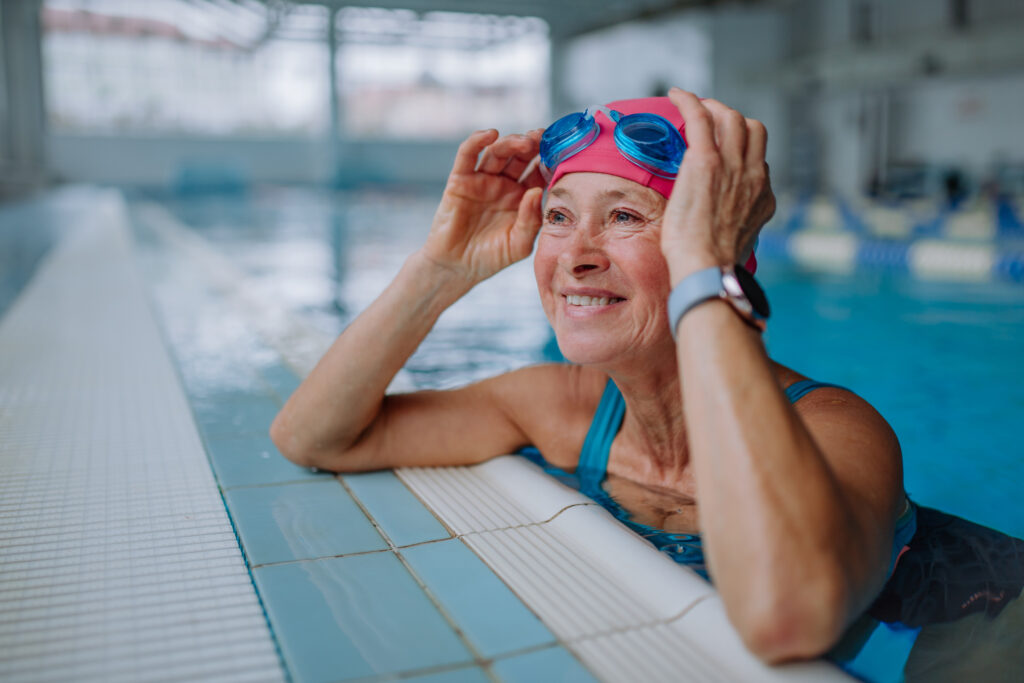
Despite the known benefits of physical activity to health and physical function in aging, the proportion of older adults meeting recommended physical activity guidelines remains low (27%). Since the 2008 Physical Activity Guidelines for Americans were published, considerable evidence has emerged regarding the relative benefits of various modes or combinations of physical activity, such as progressive resistance training, multicomponent […]