
Launching ACSM’s EIM Active Aging Initiative for Older Adults
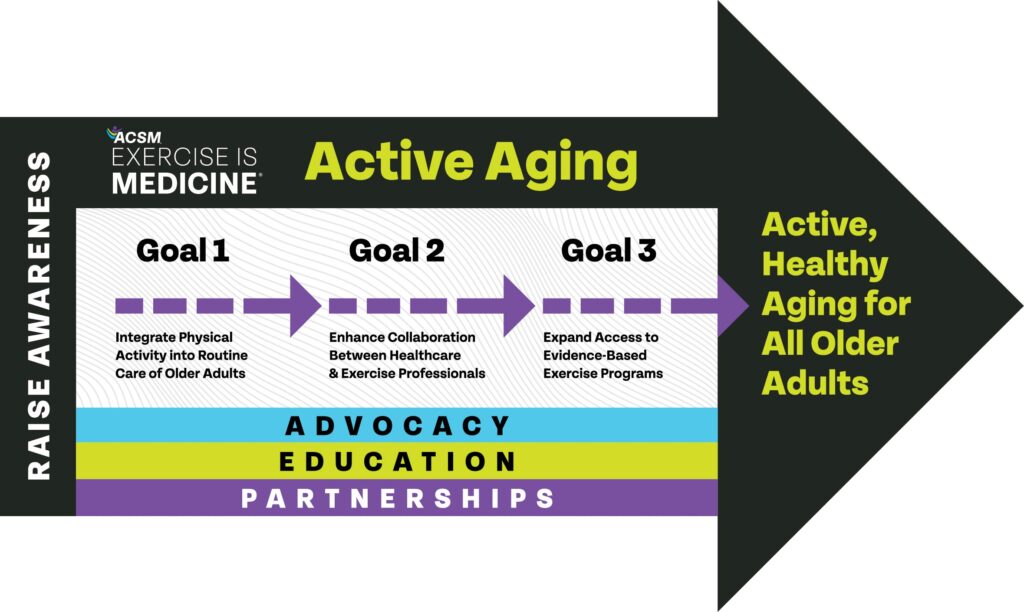
Discover how aging affects millions and the crucial role of physical activity in promoting wellness among seniors.
Supporting Physical Activity Initiatives in Rural Communities

Rural-dwelling individuals have higher rates of physical inactivity and chronic diseases — as well as lower life expectancies and poorer health outcomes — than those living in urban areas. The implementation of physical activity interventions should be encouraged in such communities to improve health and reduce disease risk. However, there are multiple considerations unique to […]
Diving into Health: Aquatic HIIT for Older Women
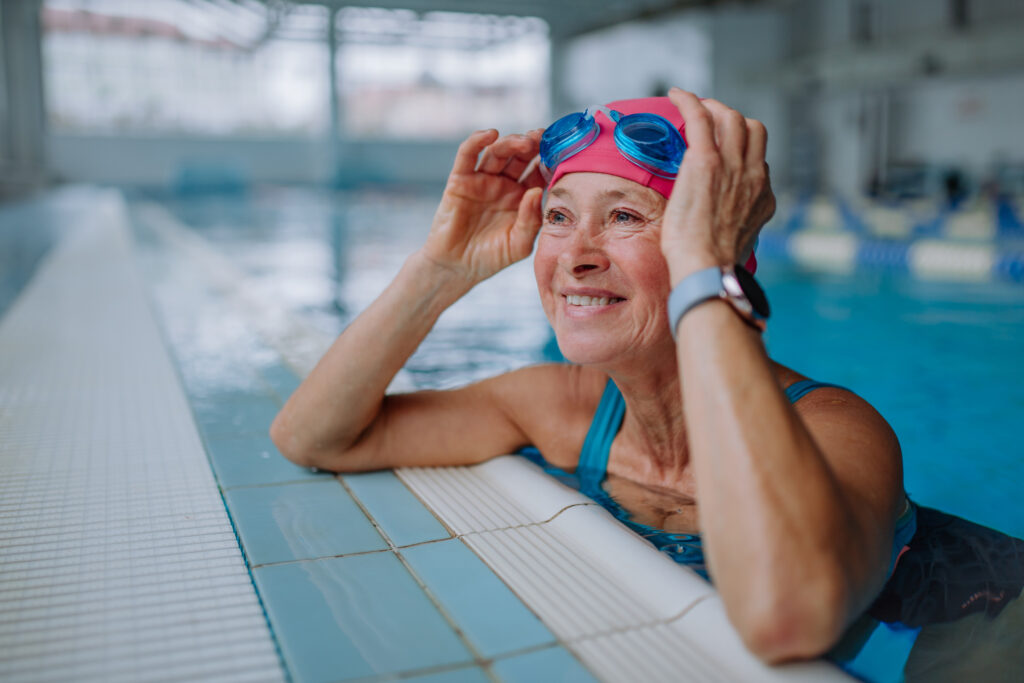
Recent public health guidelines emphasize the importance of high-intensity interval training (HIIT) as an effective strategy for improving cardiometabolic health, particularly among older adults. While land-based HIIT (L-HIIT) has gained popularity, it may not be the best fit for everyone, especially elderly individuals struggling with deconditioning and joint issues. This is where aquatic high-intensity interval […]
From Activity to Sleep: A Balanced Lifestyle Approach to Brain Health
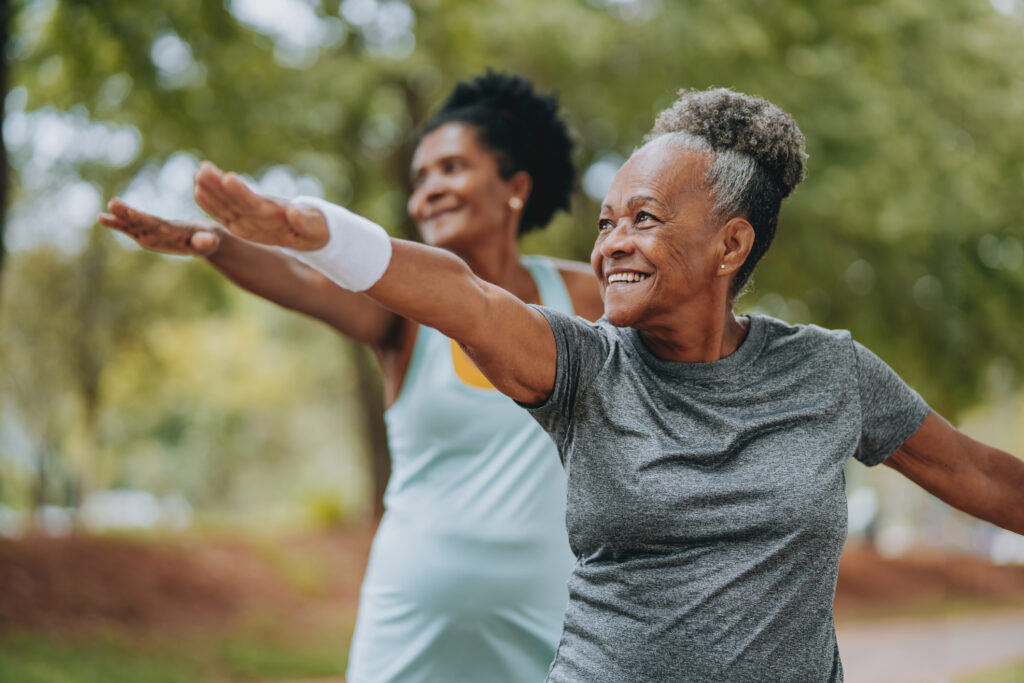
Dementia is one of the leading causes of disability and mortality worldwide, and modifiable lifestyle factors may be critical for preventing up to 45% of all-cause dementia occurring after age 65. Two key modifiable risk factors associated with reduced dementia risk and improved brain health are regular physical activity and good quality sleep. Physical activity […]
Does Cardiorespiratory Fitness Prevent Breast Cancer in Women?
Scientific evidence collected for seven decades strongly supports the position that higher cardiorespiratory fitness (CRF) levels are associated with more favorable health outcomes, including mortality due to various cancers. Findings from several small population studies suggest that a physically active lifestyle offers protection against pre- and postmenopausal breast cancer. However, physical activity in these studies […]
Technogym Q&A | Physical Activity as Pillar of Healthy Longevity
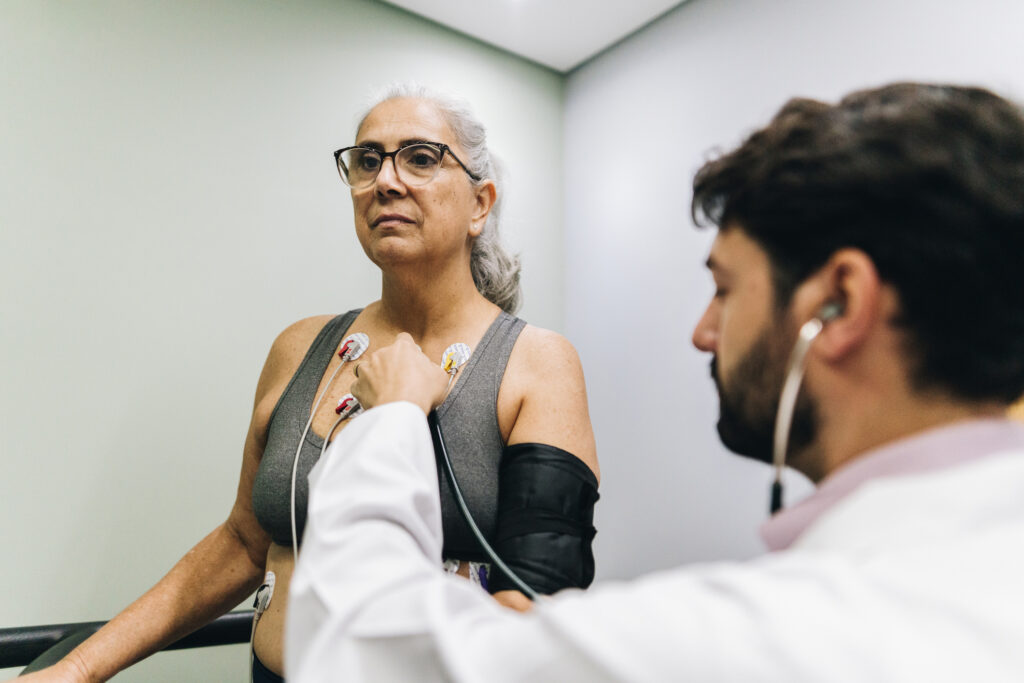
Miss the webinar? Access the Recording Here In the pursuit of a longer and healthier life, it’s essential to focus on both the quantity and quality of the years we live. Healthy longevity—free from chronic diseases—requires attention to both morbidity and mortality. This approach offers valuable insights for health professionals, the public, and policymakers alike, […]
Visceral Fatness and “BrainAge”
There is little doubt that our brain changes as we age, with changes in structure that contribute to cognitive decline over time. However, the degree of change is highly variable across individuals in terms of its onset, rate and magnitude. How should we behave, and what should we change to ensure that our brains stay […]
Whole Body Fatigability as a Measure of Mortality Risk
A common definition of fatigue is a “subjective lack of physical and/or mental energy perceived to interfere with usual or desired activities.” Fatigue is a typical response to physical or mental exertion such as exercise, challenging physical tasks, or a long day’s work or dealing with emotionally taxing situations. Yet, everyday fatigue is a common […]
How to Prescribe Exercise for Brain Health
Alzheimer’s disease and related dementias are among the world’s foremost health and economic challenges, impacting over 55 million people worldwide and costing more than 1.3 trillion U.S. dollars in 2019 alone. With no imminent cure, there is an urgent need for interventions that reduce dementia risk in healthy older adults. Physical exercise is one of the greatest […]
Working Across Generations
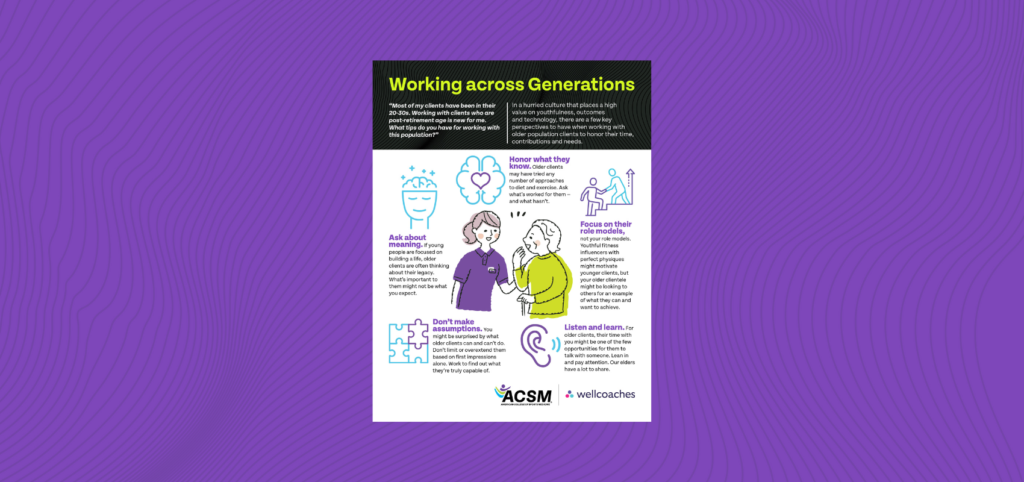
In a hurried culture that places a high value on youthfulness, outcomes and technology, there are a few key perspectives fitness professionals should have when working with older population clients to honor their time, contributions and needs.