
Prostate Cancer: A Survivor’s Perspective
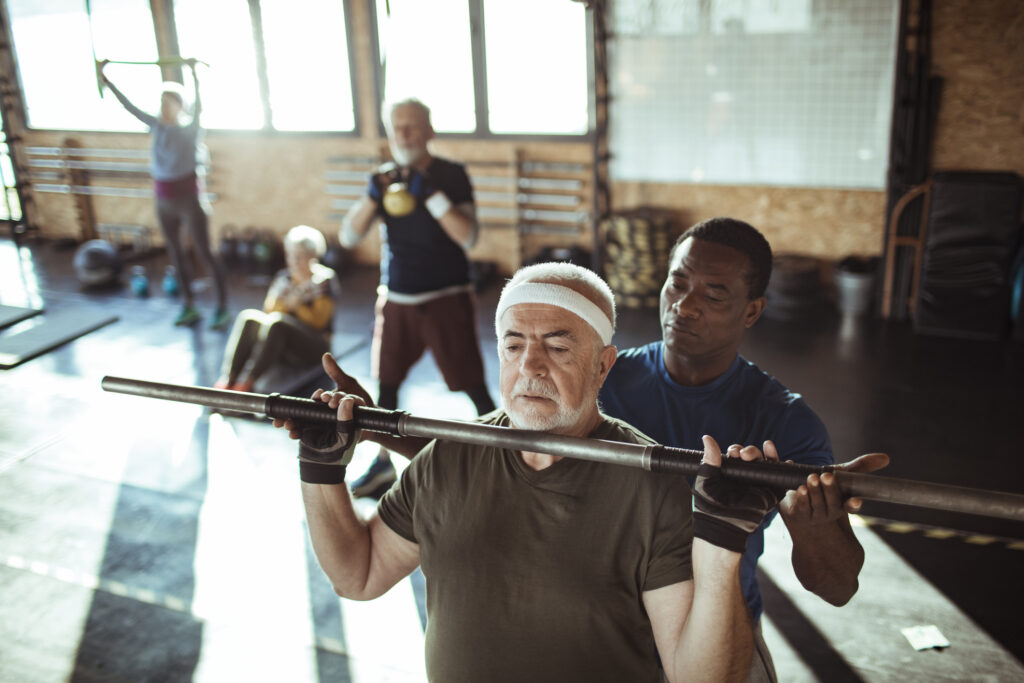
September is Prostate Cancer Awareness Month, and for men living in the U.S., one in eight will be diagnosed with the disease at some point, including more than 200,000 this year. If you are an African American man, the likelihood is one in five, and if you have a family history of prostate cancer, the […]
Working with Older Adults? Don’t Skimp on Strength Training

“Garrett, I’m too old to strength train.” If I had a penny for every time I heard this statement, I’d be a rich man! Really, I would. More recently: “Dr. Kellar, aren’t some people too old to do strength training?” What? No! A person is never — yes, never — too old to strength train! As one […]
Muscle Strength Genotype Predicts Functional Capacity at Older Age
Throughout the lifespan, maximum hand grip strength reflects general health and vigor and is therefore commonly suggested to be a biomarker of aging. Although aging results in declines in muscle strength, individual strength changes follow a predictable pattern, as shown by strong correlations between measurements carried out decades apart. Family and twin studies have also […]
A Sedentary Lifestyle Is Linked to Functional Decline, But Any Movement Can Help

Technological advancements in the past 60 years have led to an increasingly sedentary lifestyle. Changes in transportation, communication, the workplace and domestic entertainment have fostered environments in occupational, home and social settings that now demand or encourage sedentary behavior throughout most of the day. In recent years, we have become more aware of the negative […]
Capitalizing on Accelerometry to Measure Performance Fatigability in Older Adults
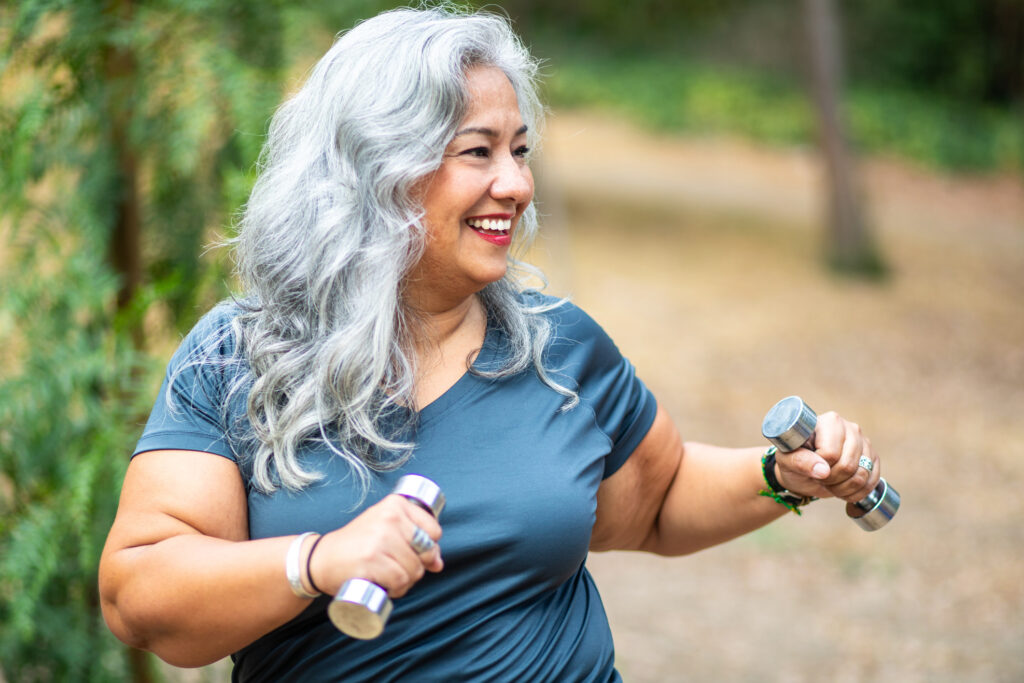
Fatigability is not a new concept in the exercise physiology realm. Researchers have long paired physical activity measures with ratings of perceived exertion or contractions of isolated muscle groups during tasks to quantify self-reported or muscle fatigability. Of late, the term “fatigability” has evolved and is widely used in aging research to represent a whole-body trait of […]
Computational Neuroscience Approaches to Exercise Behaviors in Older Adults

Engagement in physical exercise has shown widespread benefits on cardiovascular, physical, emotional and cognitive health in older adults. However, initiating and sustaining an exercise routine over the long term (e.g., six months or more) is incredibly challenging. Our historical understanding of the factors that determine engagement in physical exercise comes from psychological and psychosocial theories, […]
Cognitive Benefits of Physical Activity for Older Adults

Physical activity improves both physical and cognitive health, especially among older adults. Cognitive health encompasses many aspects of our daily functioning: memory, maintaining attention and concentration, dealing with distractions, solving problem and making decisions. Those cognitive functions tend to decline as we age, and physical activity can greatly prevent cognitive decline. For example, a meta-analysis has shown […]
High-Intensity Interval Training (HIIT) Enhances Neuroplasticity in Healthy Older Adults
Neuroplasticity is the ability of the brain to physiologically change due to our experiences. There is accumulating evidence for the benefits of a single session of aerobic exercise to enhance motor learning and neuroplasticity in young adults. Stationary cycling exercise performed immediately before or after skilled motor practice enhances motor learning that involves movements of […]
“Mind the Drift” of HR for Accurate Exercise Intensity Implementation in Prolonged Aerobic Exercise
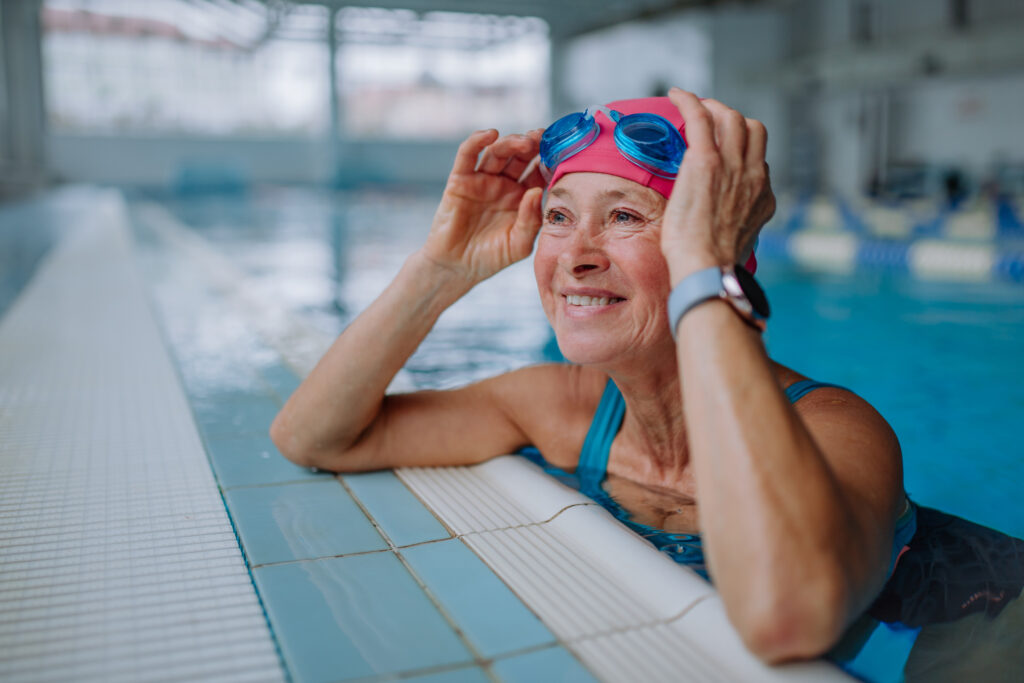
An appropriate and individualized dose of regular aerobic exercise is recommended to promote and preserve cardiorespiratory health throughout life. The exercise dose is defined by four ingredients: frequency, intensity, time and type of exercise. Among these, intensity is the most elusive term of the exercise “prescription.” It is typically determined from an external load (such […]
Does Menopause Make Women More Sympathetic to Exercise?
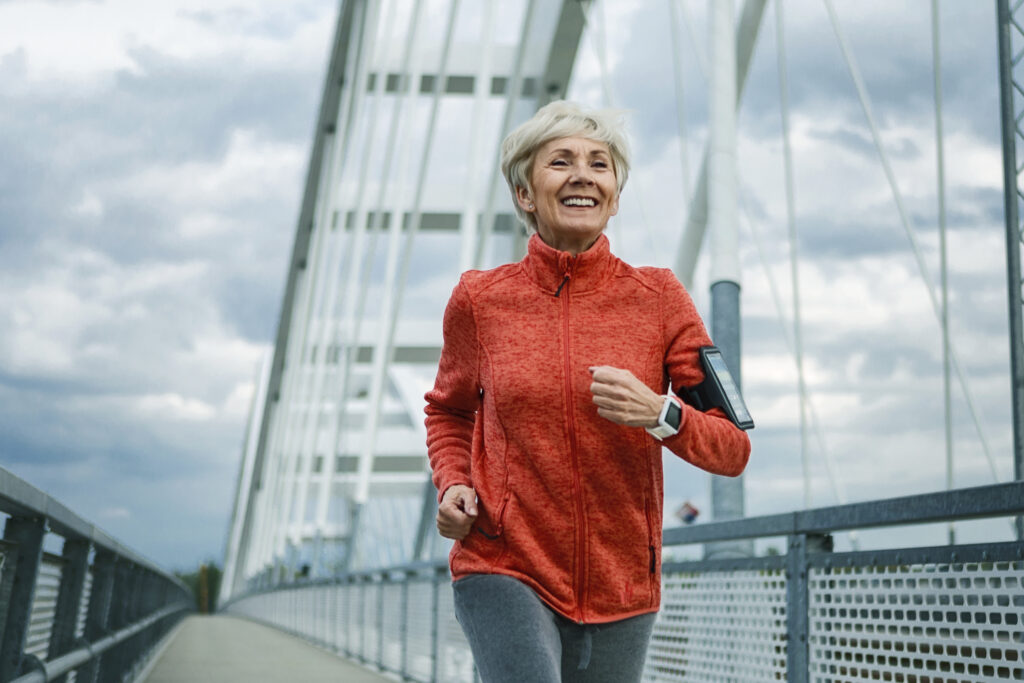
Cardiovascular disease remains the leading cause of death in women, and hypertension is a major contributing factor, particularly after menopause. The sympathetic nervous system — historically viewed as the “fight or flight” part of our autonomic nervous system — is involved in regulating blood pressure (BP) and can contribute to the development of hypertension. Previous […]