The Benefits of High-Intensity Training for People with Parkinson’s Disease
What is Parkinson’s disease? Parkinson’s disease (PD) is a progressive neurodegenerative condition associated with low levels of the neurotransmitter dopamine, due to damage that occurs in a part of the midbrain known as the substantia nigra. People living with PD will have a combination of motor and nonmotor symptoms that can adversely affect activities of daily […]
Women in the Workforce: How Can We Mitigate Occupational Risk in Physically Demanding Professions?
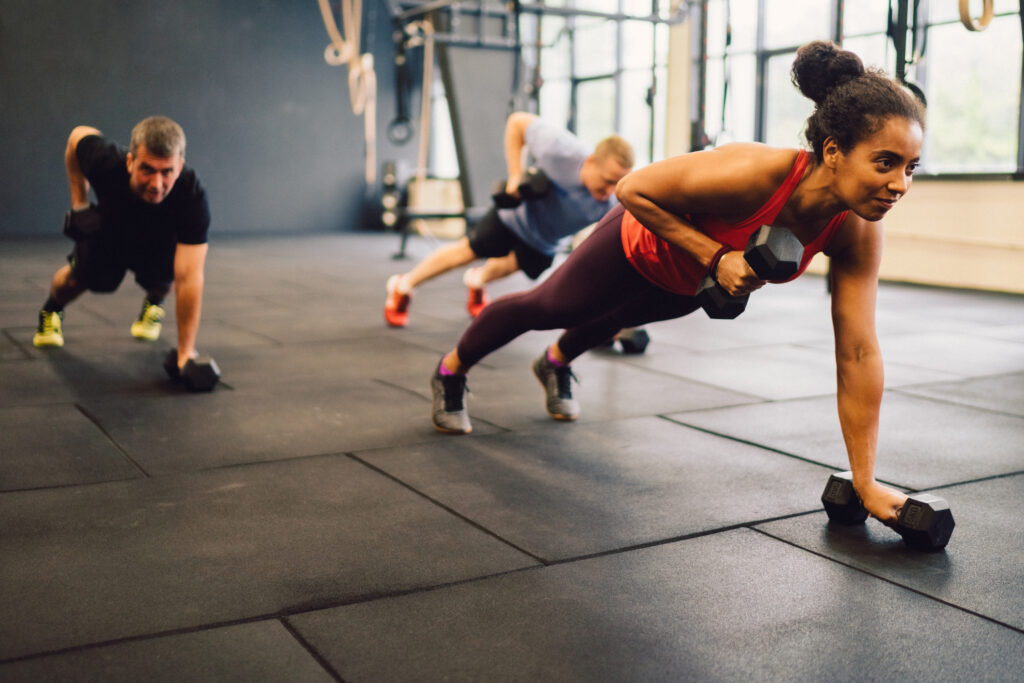
Women are increasingly filling work roles that were previously dominated by men. While a larger proportion of military service members, law enforcement officers, health care workers and aviators continue to be men, women in these trades experience occupational hazards differently than their male counterparts. As a profession, we have already seen similar findings within athletics. […]
Top 3 Evidence-Based Practices for Exercise Programming in Autism
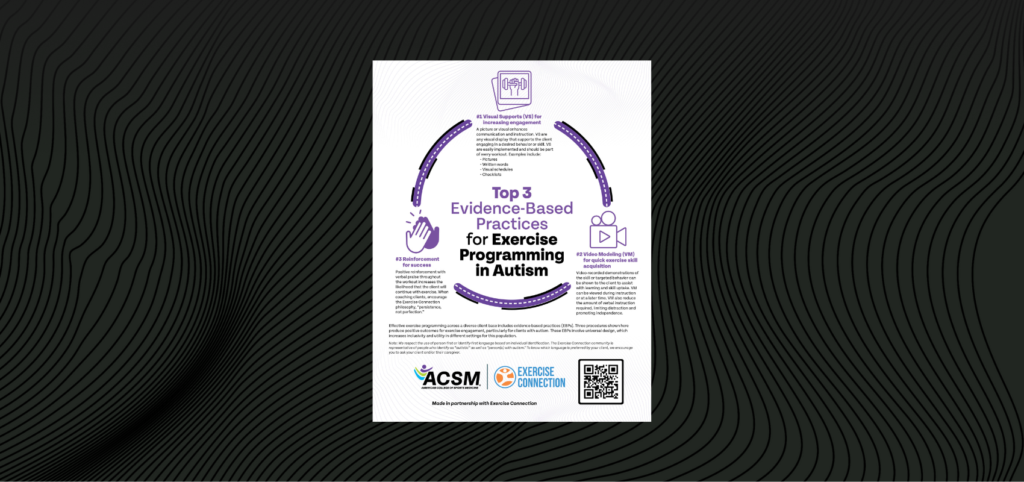
Effective exercise programming across a diverse client base includes evidence-based practices (EBPs). Three procedures shown here produce positive outcomes for exercise engagement, particularly for clients with autism. These EBPs involve universal design, which increases inclusivity and utility in different settings for this population.
Progressive Resistance Training: A Way to Combat Persistent Pain after Breast Cancer Treatment

Persistent pain is among the most common adverse effects to breast cancer and its treatments. It affects 25-60% of patients and can linger for several years as a source of considerable physical and psychological distress. Among other things, pain after breast cancer is a primary source of upper limb dysfunction and has been associated with […]
Running for Two: Pregnancy, Training and Return to Performance for Elite to World-Class Runners
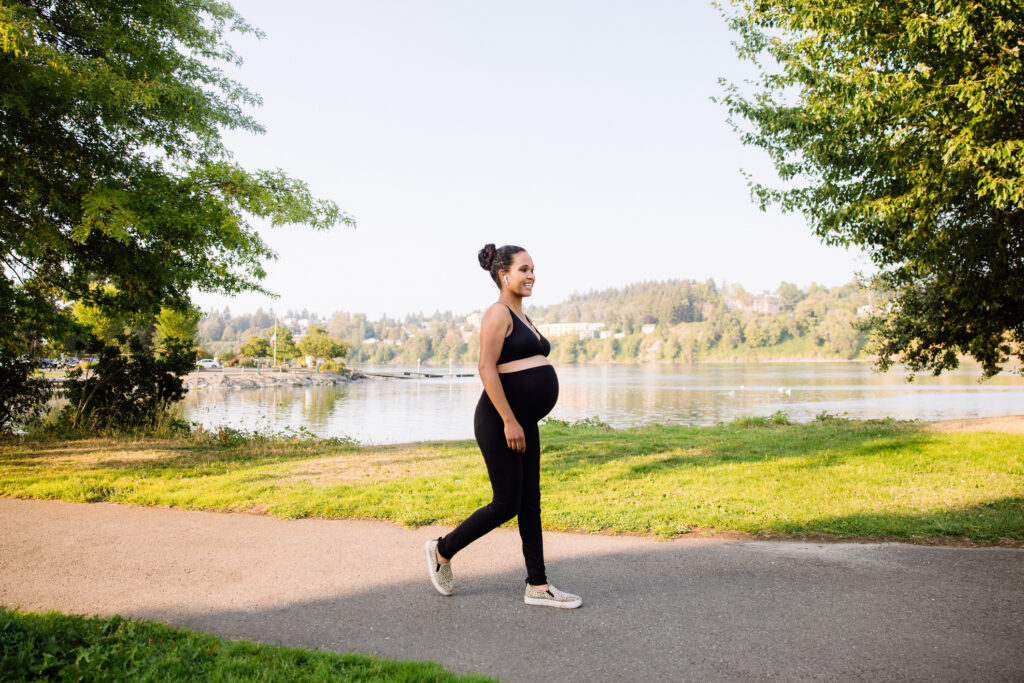
There are a variety of resources that exist to advise individuals on best practices for exercising throughout pregnancy. International evidence-based health guidelines typically recommend at least 150 minutes/week of moderate-intensity physical activity in those without contraindications during pregnancy. While these recommendations guide physical activity during pregnancy in the general population, they are not developed — […]
Approaches to Promote Healthy Fat Mass Development May Differ for Boys and Girls During Adolescence
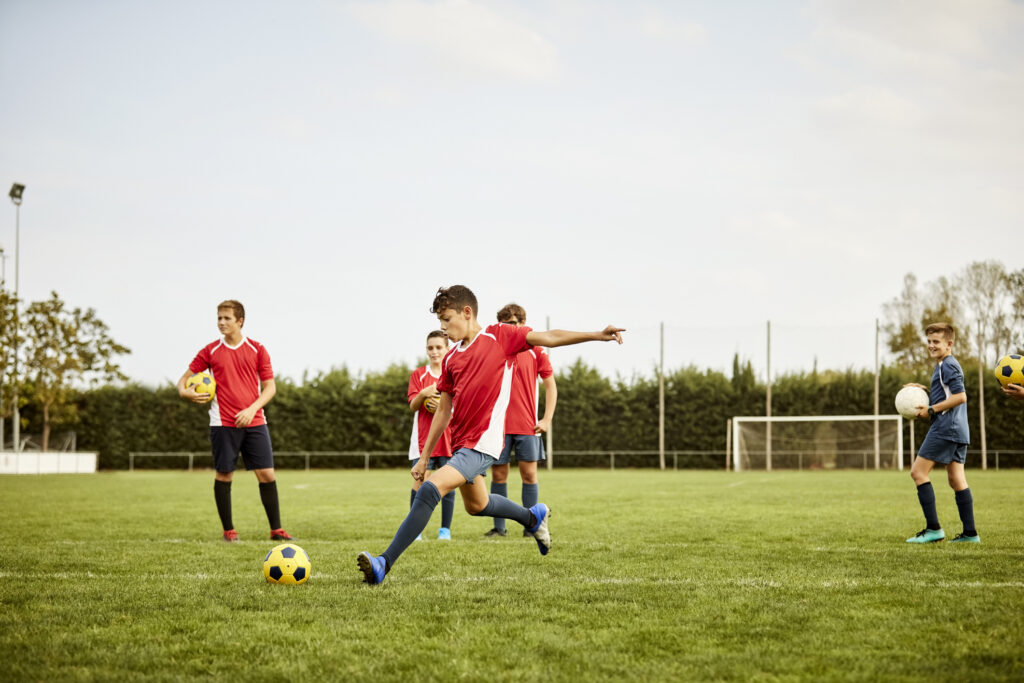
Body fat is essential for health; fat tissue not only stores energy but is an endocrine organ that synthesizes and secretes hormones (including estrogen and testosterone) important for healthy growth and maturation. Excess fat mass during childhood and adolescence tends to track into adulthood and is associated with adverse health outcomes. Obesity prevention has become […]
What Do We Know about Epilepsy and Physical Activity?

Since November is National Epilepsy Awareness Month, I thought it would be appropriate to discuss some of the more recent guidance that’s come across ACSM’s editorial desk regarding epilepsy and physical activity, namely the findings laid out in this 2021 publication in Current Sports Medicine Reports. The topic hits close to home, quite literally — in […]
Disability, Employment and Progress in the Fitness Space
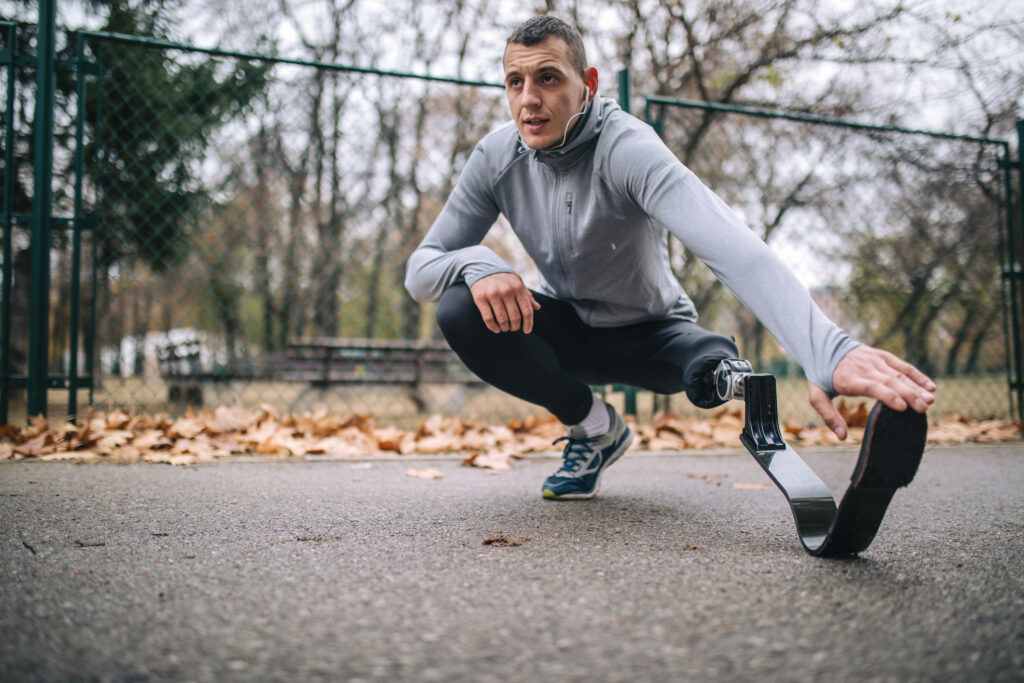
Did you know that 81% of people with a disability don’t feel welcome in the fitness industry? That means as fitness professionals, leaders and educators, we have a lot of work to do. One of the biggest areas of need is in representation. We are the fitness industry after all, and we know that representation […]
Learning from Experience: Growth Potential of Exercise from Free-Living Protein Synthesis in Men and Women

Skeletal muscle is the engine that drives human health and performance and is influenced by modifiable healthy lifestyle behaviors (i.e., nutrition and exercise) and non-modifiable factors (i.e., sex and age). It is well-established that resistance exercise stimulates the synthesis of skeletal muscle protein (especially the force-generating myofibrillar fraction) for up to 48 hours. This ultimately […]
The Heritage Family Study: Honoring the Past and Looking Forward

In 2022 we celebrate the 25th anniversary of the HERITAGE (HEalth, RIsk factors, exercise Training And GEnetics) Family Study. The May issue of Medicine & Science in Sports & Exercise® (MSSE) highlights a multitude of the more than 200 publications and other dissemination products from data generated from this groundbreaking and important research program. The HERITAGE study described the role of […]