
Hot Topic | Maximizing Human Potential Through Exercise & Technology

I am truly honored to give the upcoming Joseph B. Wolffe Memorial Lecture at the 73rd ACSM Annual Meeting. However, contemplating what to talk about after almost half a century spent researching the interactions between exercise training, nutrition, and their impact on human health and performance required careful reflection! As a former competitive athlete and […]
Hot Topic | Physiological Assessments Using Muscle Near-Infrared Spectroscopy (mNIRS)
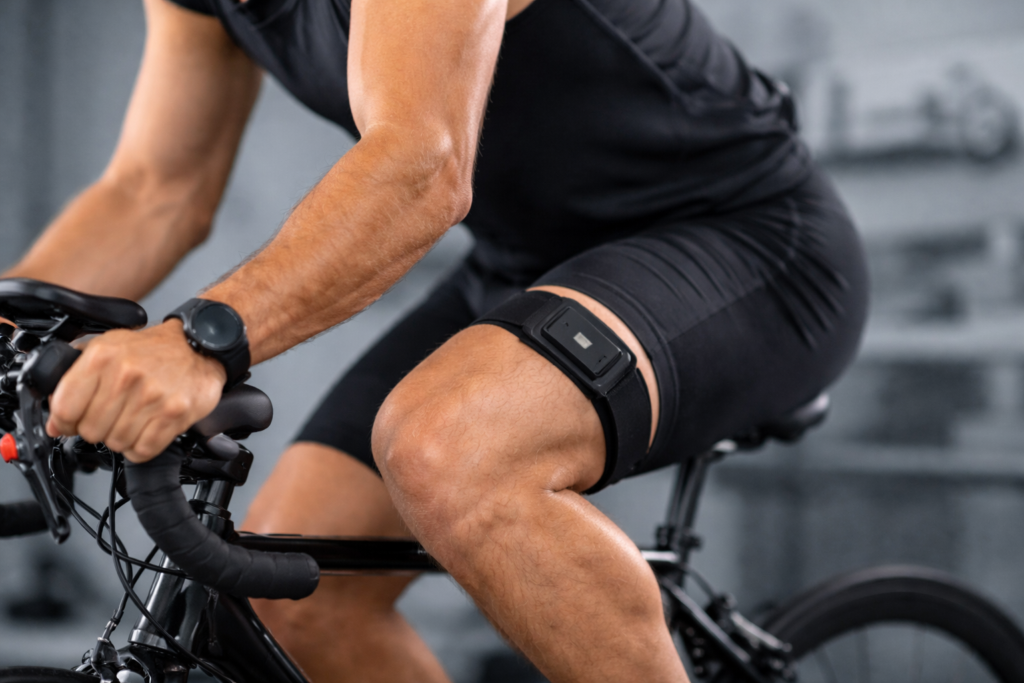
What is muscle near-infrared spectroscopy (mNIRS)? Muscle near-infrared spectroscopy (mNIRS) is a non-invasive technique that can be used to measure the changes in blood volume and oxygenation responses within the smaller diameter blood vessels in skeletal muscle. This is possible because near infrared light (~700-900 nm) emitted into biological tissues can help determine the oxygenation […]
The Rise of Clinical Exercise Physiologist Roles in Virtual Cardiac Rehabilitation

Virtual cardiac rehabilitation is rapidly expanding and creating new opportunities for ACSM-CEPs. CEPA’s latest post highlights key differences between center-based and virtual CR and explains how the Virtual Ventures Oversight Committee is working to uphold standards and support ACSM-CEPs entering this growing space.
The Future of Fitness: ACSM Announces Top Trends for 2026

Delve into the 2026 fitness trends report and learn how wearable technology is transforming health and fitness.
Personalized Fitness Plans via Mobile Health Technology
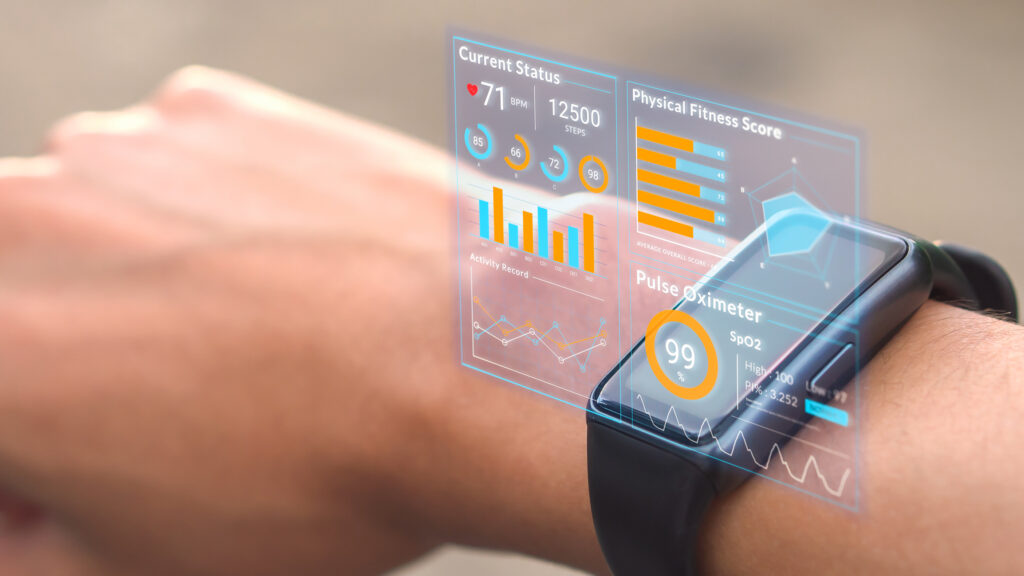
As you look around your home, you may spot devices like smartphones, tablets, smart TVs or even fitness tools like a smart gym, a smart soccer ball, or a virtual reality exercise bike. These devices not only keep us connected or entertained but also transform how we approach health and fitness. Moreover, these fall under […]
Beyond the Turf: Data Driven Athlete Health

Dr. Thayne Munce discusses a groundbreaking applied sports science research study titled “Beyond the Turf: Data-Driven Athlete Health.”
Capitalizing on Accelerometry to Measure Performance Fatigability in Older Adults

Fatigability is not a new concept in the exercise physiology realm. Researchers have long paired physical activity measures with ratings of perceived exertion or contractions of isolated muscle groups during tasks to quantify self-reported or muscle fatigability. Of late, the term “fatigability” has evolved and is widely used in aging research to represent a whole-body trait of […]
Overall Physical Activity or Intensity of Activity: Which Is More Important for Cardiometabolic Health?
Cardiometabolic risk describes a collection of factors known to increase the likelihood of cardiovascular disease. It includes lipid and glucose metabolism as well as adiposity and hypertension. We know that being more physically active is associated with lower cardiometabolic risk. However, it is not clear whether more specific or tailored physical activity guidance can be […]
#EatingHealthy: Can Nutrition Apps Do the Job?

We’ve all seen the increase in the number of available apps to monitor lifestyle behaviors such as physical activity, sleep and stress. There is also clear interest in apps that monitor diet and nutrition. So, how do you know if a nutrition app will be helpful? In the last few years, millions of users have downloaded and […]