In March 2025, new evidence-based guidelines for physical activity, sedentary behavior and sleep throughout the first year postpartum were released by the Canadian Society for Exercise Physiology (CSEP) and endorsed by the American College of Sports Medicine® (ACSM). The guidelines are intended for women and people, health care providers and exercise professionals on physical activity, sedentary behavior and sleep throughout the first year postpartum.
In addition to the 2025 Canadian Guideline for Physical Activity, Sedentary Behaviour & Sleep Throughout the First Year Postpartum, CSEP released the Get Active Questionnaire for Postpartum, also endorsed by ACSM. The questionnaire is designed to identify the small number of individuals who should seek medical advice as a first step to becoming or continuing to be physically active following childbirth, and to help the majority of healthy postpartum individuals overcome any concerns they might have with getting or staying active. The questionnaire is designed to be a self-administered prescreening tool for individuals following childbirth.
The Canadian guidelines information is shared on the 2025 Canadian Society for Exercise Physiology website, along with:
- Nine specific recommendations,
- Access to the guidelines,
- The Get Active Questionnaire for Postpartum,
- Relative contraindications, and
- Summary information and resources.
The information from the 2025 Canadian guidelines and the Get Active Questionnaire were informed by the 2025 British Journal of Sports Medicine’s guidelines consensus statement focusing on postpartum physical activity, highlighting that “adhering to these consensus recommendations for postpartum women and people is likely to result in large improvements in psychological well-being, as well as pelvic, musculoskeletal and cardiometabolic health, and reduced fatigue, while not experiencing adverse events (moderate certainty evidence).”
The guidelines were developed using the grading of recommendations assessment, development and evaluation (GRADE) evaluation method and the appraisal of guidelines for research and evaluation II instrument with a panel of key representatives from professional groups, researchers and methodical experts and from 21 maternal or infant healthy outcomes. Access to the statement and accompanying resources from the consensus statement can be found here.
The Canadian Physiotherapy Association, the Chartered Association of Sport and Exercise Sciences (formerly the British Association of Sport and Exercise Sciences), the Canadian Association of Midwives, the Canadian Academy of Sport and Exercise Medicine, ParticipACTION and Exercise and Sports Science Australia have all endorsed the guidelines.
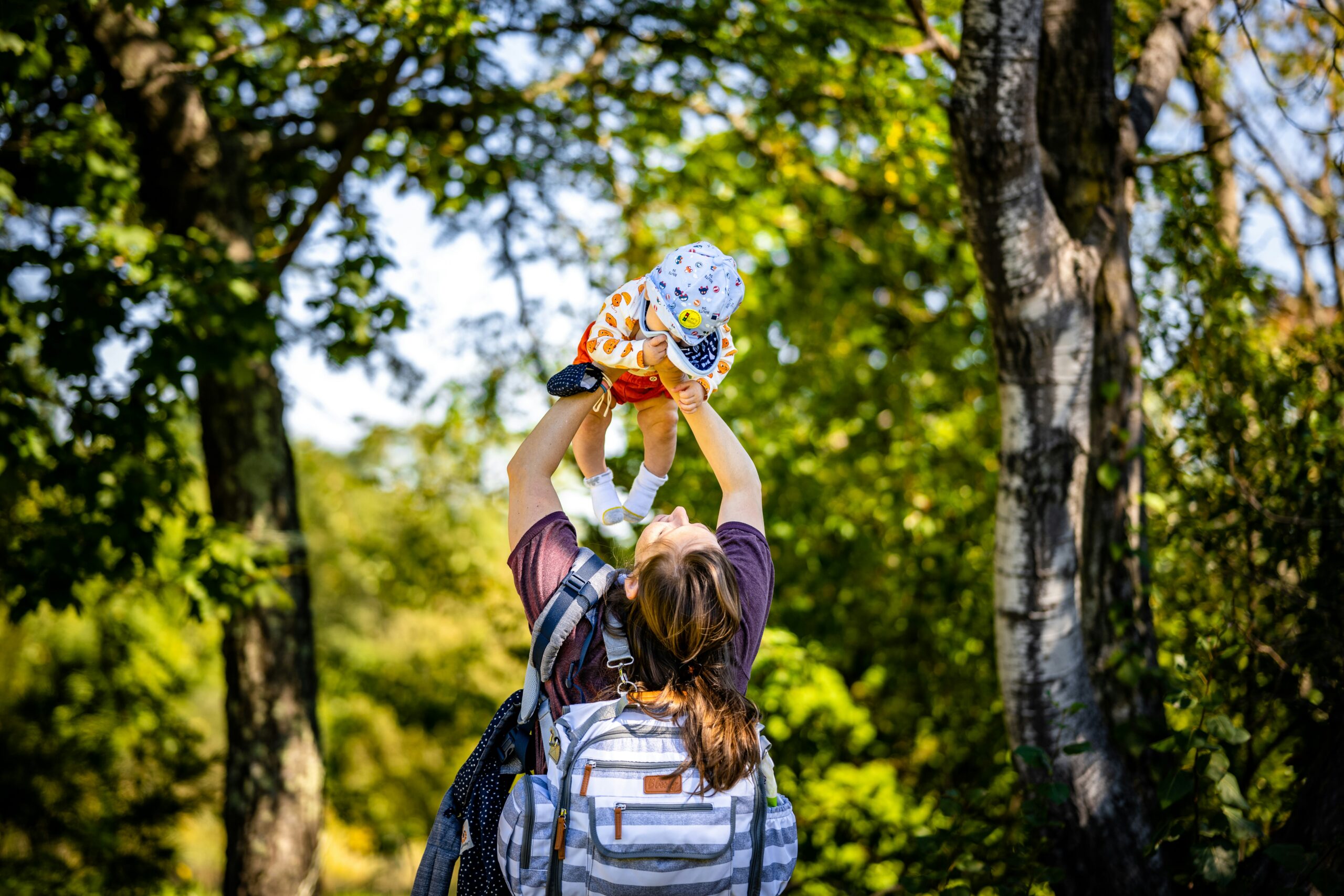
Banner image courtesy of Christopher Luther via Unsplash.