
Healthy Habits for Distance Running
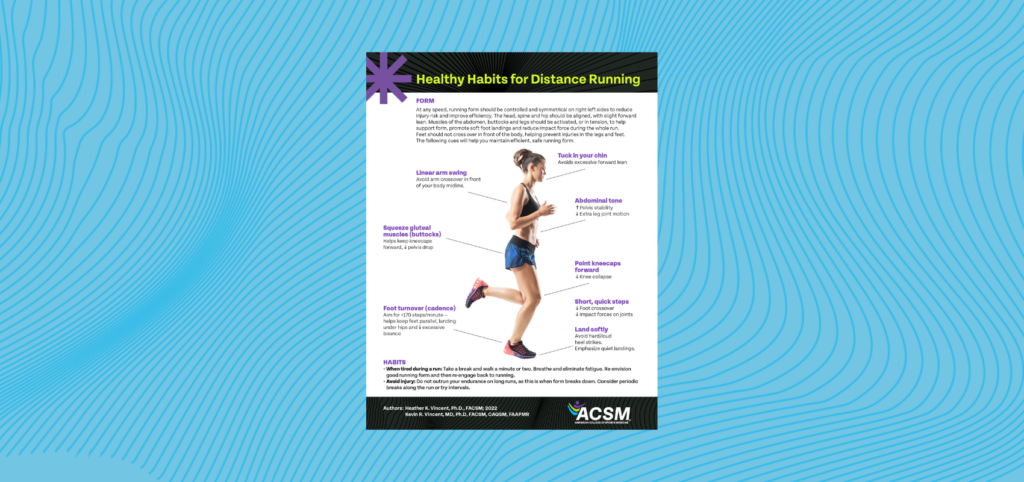
Healthy Habits for Distance Running, infographic, article and list of published resources.
#EatingHealthy: Can Nutrition Apps Do the Job?

We’ve all seen the increase in the number of available apps to monitor lifestyle behaviors such as physical activity, sleep and stress. There is also clear interest in apps that monitor diet and nutrition. So, how do you know if a nutrition app will be helpful? In the last few years, millions of users have downloaded and […]
6 Tips for Physical Activity with Type 2 Diabetes
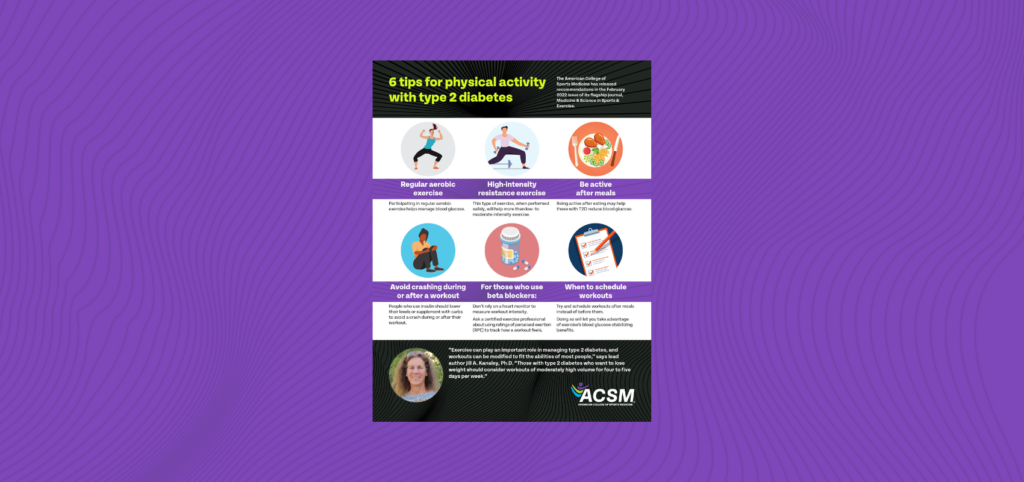
Research in exercise science confirms that physical activity can help prevent type 2 diabetes, as well as help patients manage its effects.
The Importance of Sleep for Health

When we think about the most important actions that we can take to protect our health, we usually consider behaviors such as partaking in regular physical activity or eating a nutritious diet. Yet, an often-overlooked aspect of maintaining a healthy lifestyle is sleep. Sleep has serious implications for your physical and mental health. Adequate sleep […]
Parkinson’s Exercise Recommendations
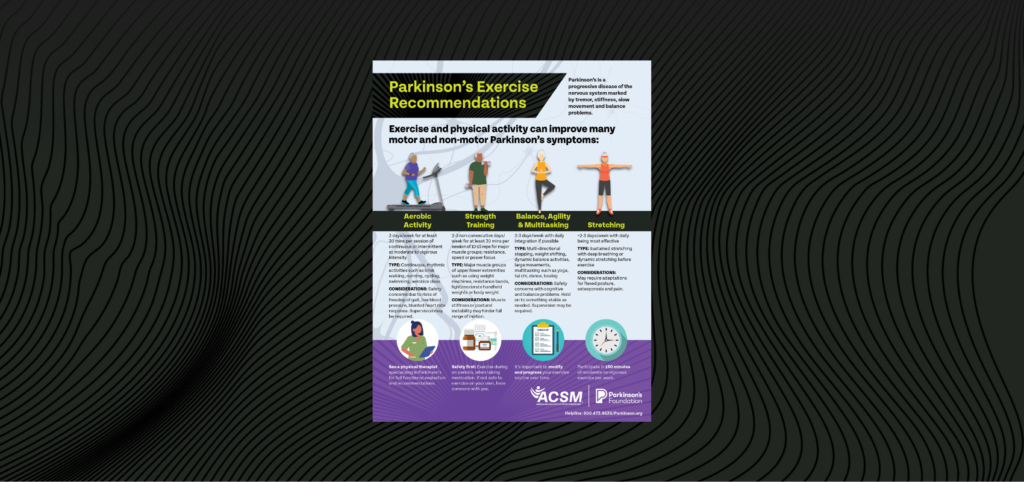
Exercise and physical activity can improve many motor and non-motor Parkinson’s symptoms. Learn more in this infographic developed alongside the Parkinson’s Foundation.
Stay Active to Reduce Blood Pressure
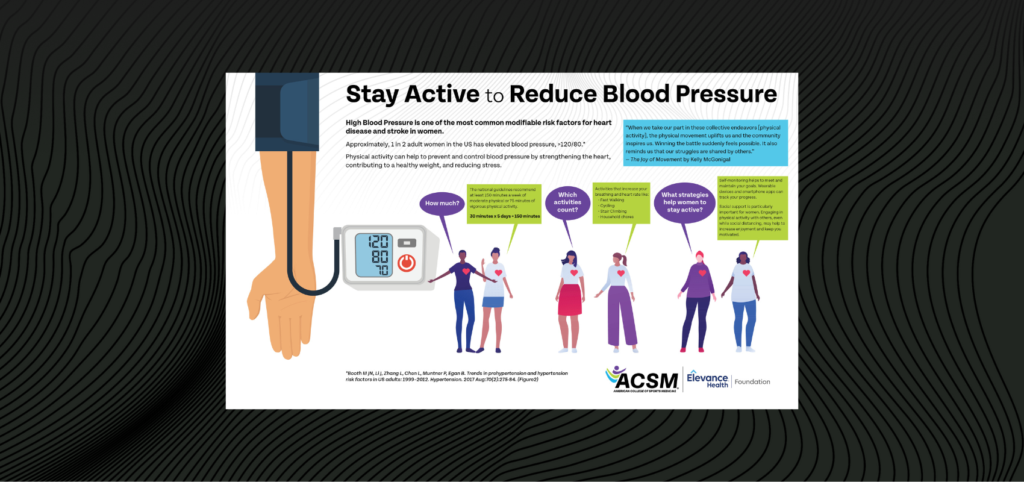
Physical activity can help to prevent hypertension and control blood pressure by strengthening the heart, contributing to a healthy weight, and reducing stress.
Exercising Your Way to Lowering Your Blood Pressure
February is American Heart Month, and it’s a great time to learn about how you can effectively lower high blood pressure through regular exercise and other healthy lifestyle choices. Donna Cataldo, PhD, and colleagues have developed this up-to-date handout with information on the F.I.T.T. (frequency, intensity, type and time) recommendations for exercising for heart health.
The Peer Review Process
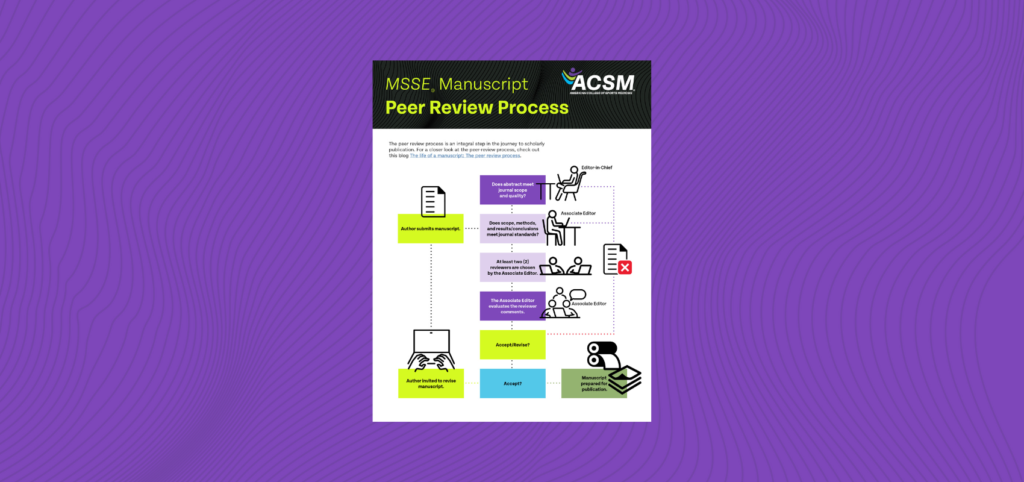
A scientific journal will enter your manuscript into a rigorous review by subject matter experts (your peers) prior to accepting the manuscript for publication.
Moving with Arthritis
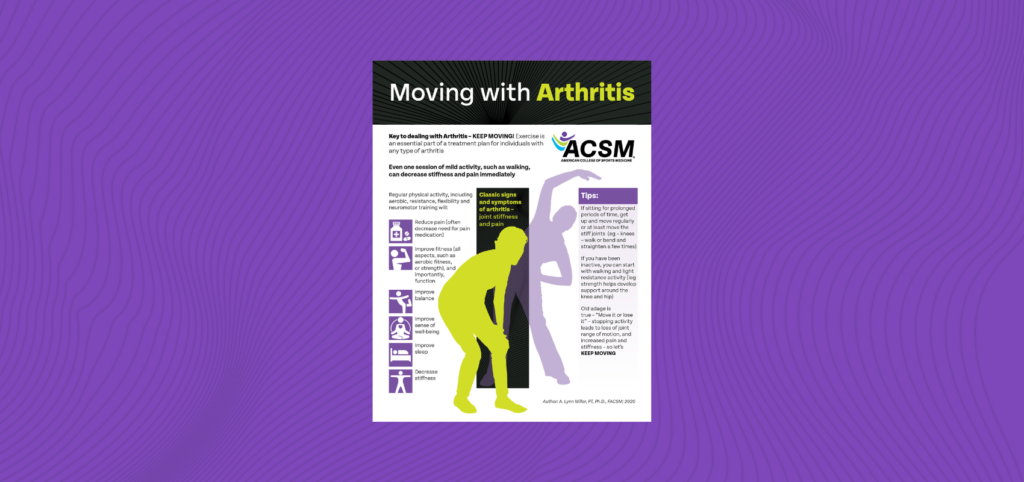
The key to dealing with arthritis is to KEEP MOVING! Exercise is an essential part of a treatment plan for individuals with any type of arthritis. Arthritis expert A. Lynn Millar, PT, PhD, FACSM, shares important tips in this infographic.
Monitoring Aerobic Exercise Intensity
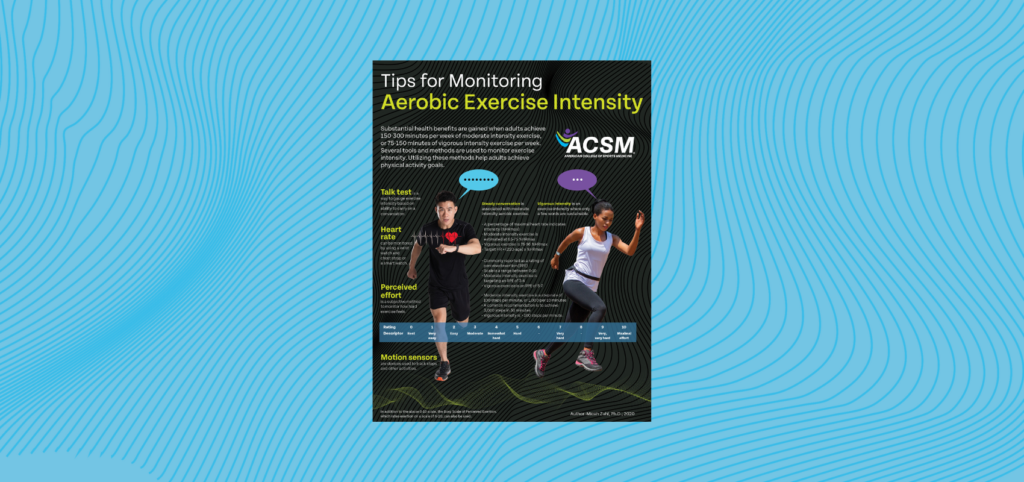
Substantial health benefits are gained when adults achieve 150-300 minutes per week of moderate intensity exercise, or 75-150 minutes of vigorous intensity exercise per week. Several tools and methods are used to monitor exercise intensity.