
Understanding Ages & Stages to Inform Developmentally Appropriate Youth Sports

Dr. Rick Howard joins the podcast to discuss developmentally appropriate youth sports informed by long-term athletic development.
Coaching Skills for Deep Empathy
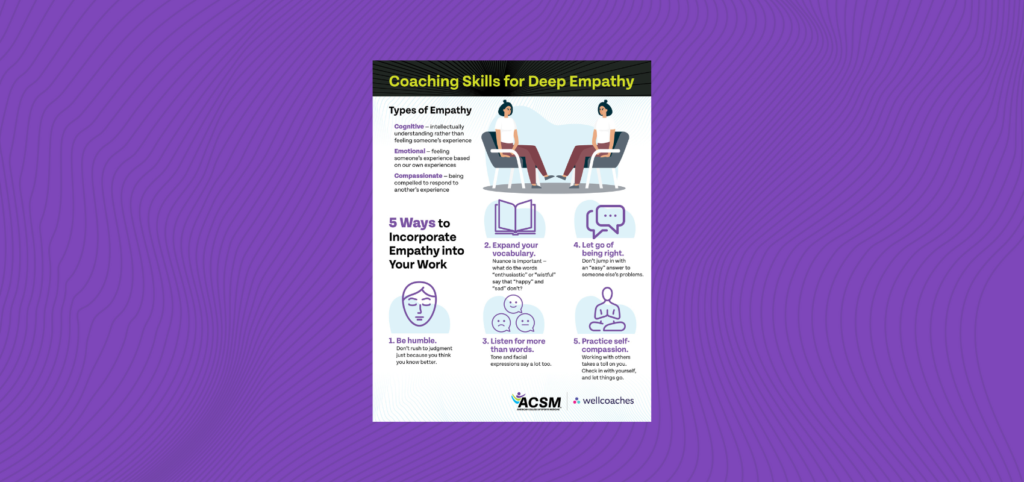
This infographic describes the three types of empathy and five ways to incorporate empathy into your work as a fitness professional, health coach, or medical practitioner.
The Impact of Adolescent Development on Fitness and Conditioning Age
Dr. Rick Howard joins the podcast to discuss the impact of adolescent development on fitness and conditioning age and stage.
The Built Environment and Physical Activity
It has been well-established that physical activity and/or exercise can help to reduce the risk of chronic diseases such as obesity, diabetes, cancer and cardiovascular disease. To reap these benefits, we only need to accumulate 150 minutes per week of physical activity1. That means that you can be physically active for as little as 10 […]
Youth Football Health and Safety

The premiere episode of the Healthy Youth Sports Podcast features Dr. Thayne Munce discussing youth football health and safety.
Working Across Generations
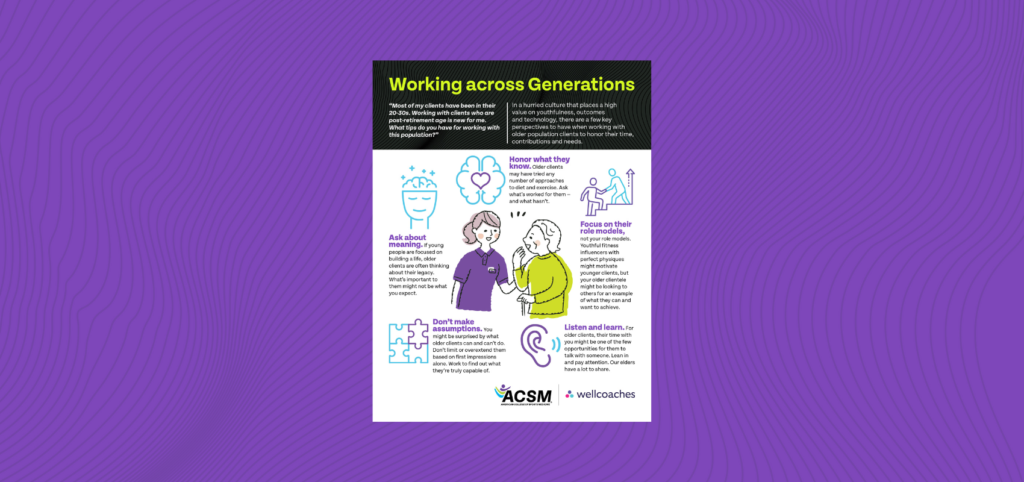
In a hurried culture that places a high value on youthfulness, outcomes and technology, there are a few key perspectives fitness professionals should have when working with older population clients to honor their time, contributions and needs.
Urban green spaces: A “green third place” to promote community
I love my local public green spaces. I have two (a town park and a nearby school) within easy walking/biking distance from home. We see friends and acquaintances regularly when at the playground, swimming in the river or attending community events like concerts, fairs or athletic competitions. It is wonderful to connect with your neighbors and […]
Natural Health: Access to Nature Improves Mental Health, Physical Activity and Chronic Diseases
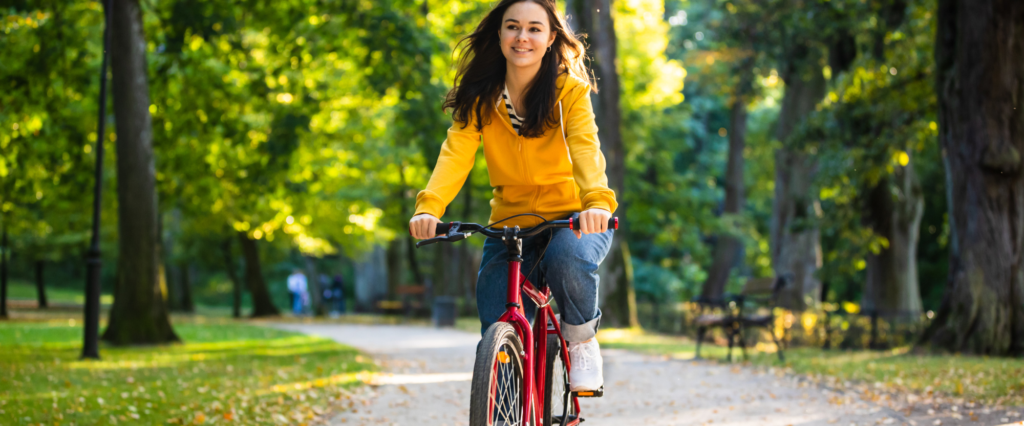
Have you ever wandered to a local park after a long day or a long week, taken a deep breath, and felt stress and tension leave your body? You are not alone. Just 20 minutes per day of exposure to natural environments decreases stress and improves cognitive function, blood pressure, mental health, physical activity and sleep. Chronic […]
First, You: Self-Care Strategies for Caregivers
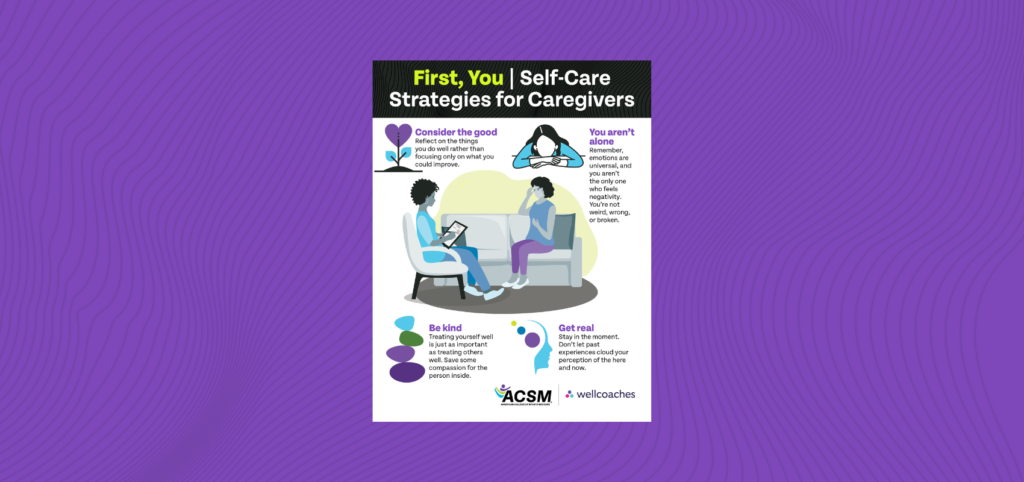
Fitness professionals and medical professionals provide care to clients and patients everyday, as do the thousands of others caring for family members, friends and their communities. When you’re so focused on providing care for others, you may lose sight of caring for yourself.
Play(grounds) for All: Inclusive Playgrounds and the Fitness Professional
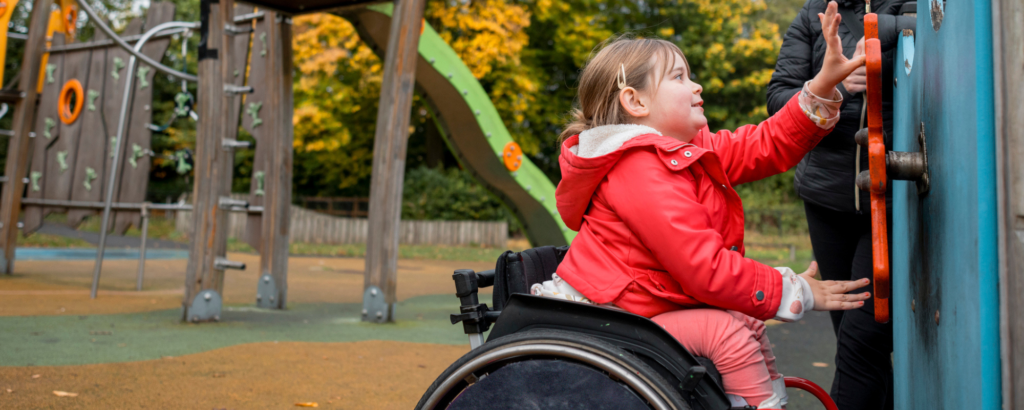
For children, playgrounds offer numerous physical, social and cognitive benefits, including the development of motor skills, social skills, creativity and independence. These structures, defined as a designated play area that contains traditional play equipment linked together by paths, provide rich contexts for children to explore their social and physical environments. As a result, playgrounds offer […]