Building Client Connections with Beautiful Questions
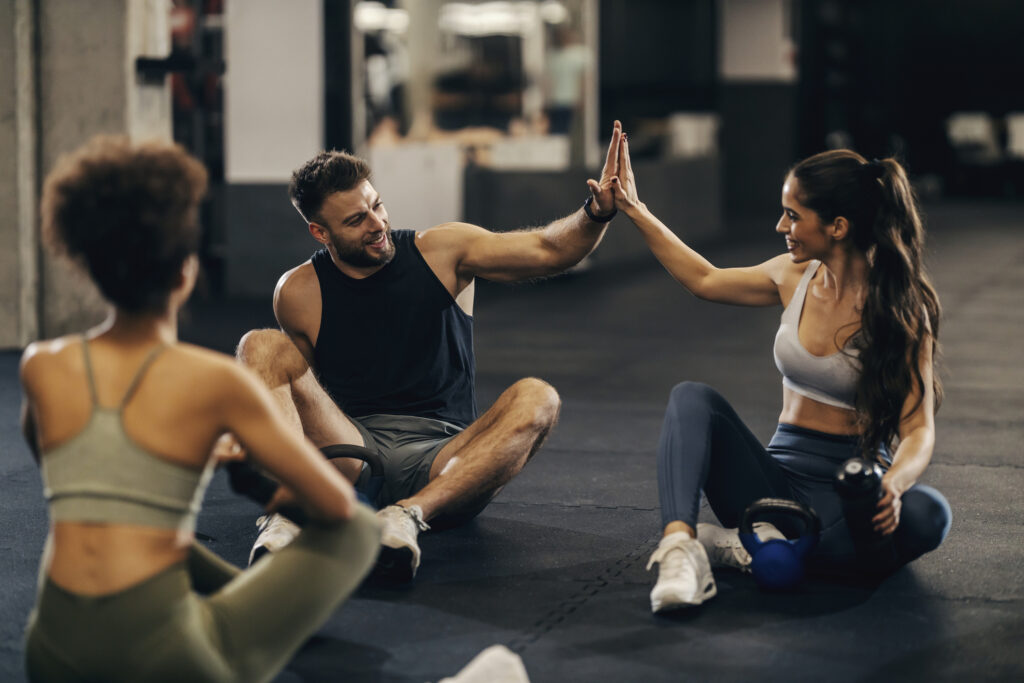
The first instinct many exercise professionals have is to share their extensive knowledge with their client; the relationship moves in one direction, from the professional with the expertise to the client who’s hired them for their expertise. And in general, that’s the idea — exercise pros solve problems, design interventions and help people advance in […]
Get to Know 2024-2025 ACSM President Stella Volpe
ACSM President Stella Volpe, Ph.D., RDN, ACSM-CEP, FACSM, is professor and head of the Department of Human Nutrition, Foods, and Exercise at Virginia Polytechnic Institute and State University (Virginia Tech) in Blacksburg, Virginia. Dr. Volpe earned her Ph.D. in human nutrition and foods from Virginia Tech in 1991. She earned her Master of Science in […]
Advancing Evidence-based Sport Science

We have all heard the following sports and exercise recommendations: “Load up on carbohydrates prior to an athletic event,” “Stretch prior to activity to avoid injury,” “Stand up straight and place your hands behind your head to recover from rigorous aerobic exercise,” “Buy running shoes based on foot arch and/or running form (and/or as assessed […]
Being Female, Athletic, and Diabetic

Dr. Colberg returns to discuss the unique challenges and considerations for girls and women who are both athletic and diabetic.
CDC updates, NIH Funding and EXPLORE AND AORA Act news
EXPLORE Act and AORA Act The House recently passed the Expanding Public Lands Outdoor Recreation Experiences (EXPLORE) Act, the bipartisan House outdoor recreation package. The legislation, co-sponsored by Reps. Bruce Westerman and Raúl Grijalva, would improve accessibility options outdoors, improve or create new outdoor recreation facilities, and introduce more generations of children to the outdoors. […]
Does Cardiorespiratory Fitness Prevent Breast Cancer in Women?
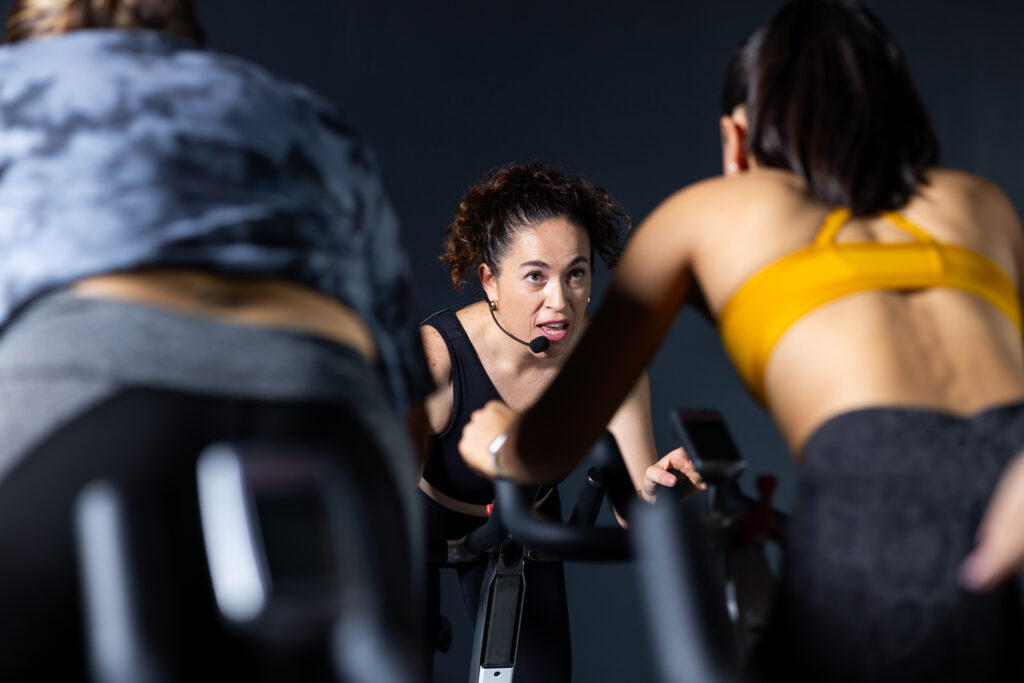
Scientific evidence collected for seven decades strongly supports the position that higher cardiorespiratory fitness (CRF) levels are associated with more favorable health outcomes, including mortality due to various cancers. Findings from several small population studies suggest that a physically active lifestyle offers protection against pre- and postmenopausal breast cancer. However, physical activity in these studies […]
Upholding Standards: Why Open-Book Exams Fall Short in Professional Certification

In the ongoing effort to position exercise professionals as part of the health care continuum, maintaining professionalism is paramount. As an industry, we must be hold steadfastly to the ideal of professionalism if exercise professionals (e.g., personal trainers, exercise physiologists, strength and conditioning coaches, clinical exercise physiologists) are to earn the respect of established health […]
Forbes Health Names ACSM’s Personal Trainer Program Nation’s Best
For the second year in a row, Forbes Health ranked the ACSM Certified Personal Trainer (ACSM-CPT) as the top Personal Trainer Certification Program in the industry and made it the only program to receive five out of five stars. The award was announced by Forbes Health in the article Best Personal Trainer Certification Programs Of 2024, According To […]
Check out ACSM’s New Look
The American College of Sports Medicine® has been a pillar of the sports medicine and exercise science community since its founding in 1954. In fact, one could say it’s more cornerstone than pillar — much of the field was built upon the foundation ACSM established. But it’s 2024. (Cue “[current year]” joke.) Alongside a celebration of […]
This May, Actively Transport Yourself to Work and Play
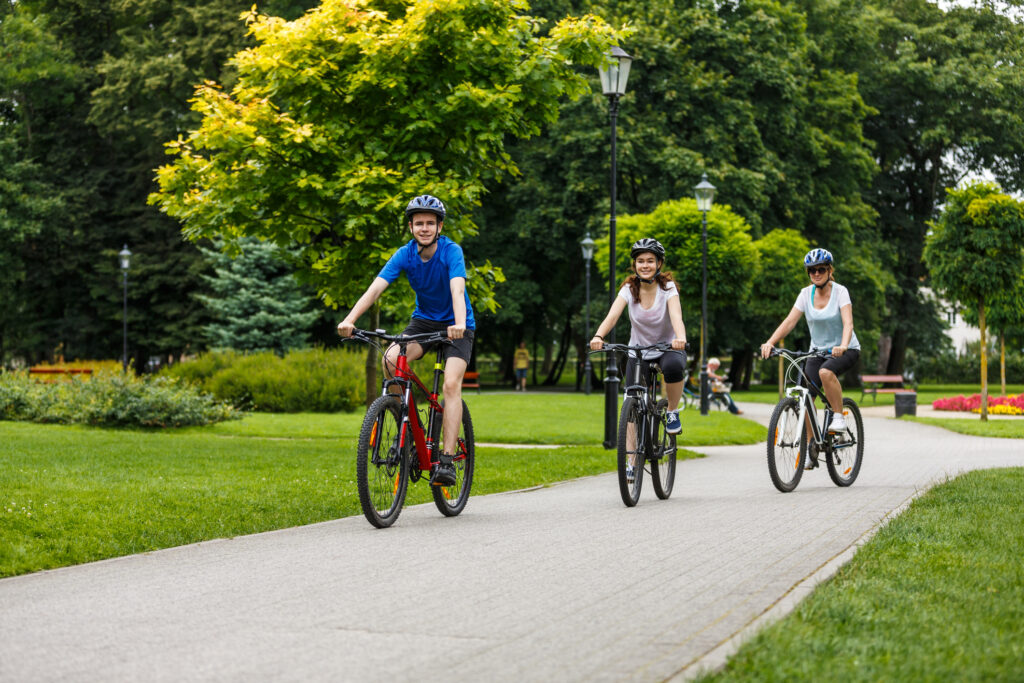
May is Active Transportation Month, a time to get outside — an experience enhanced by walking, riding or rolling rather than driving a vehicle. The health benefits of incorporating physical activity into one’s daily routines, whether during our commute, running errands or simply for leisure, have been extensively reported. These benefits span across cardiovascular, metabolic, […]