
6 Tips for Physical Activity with Type 2 Diabetes
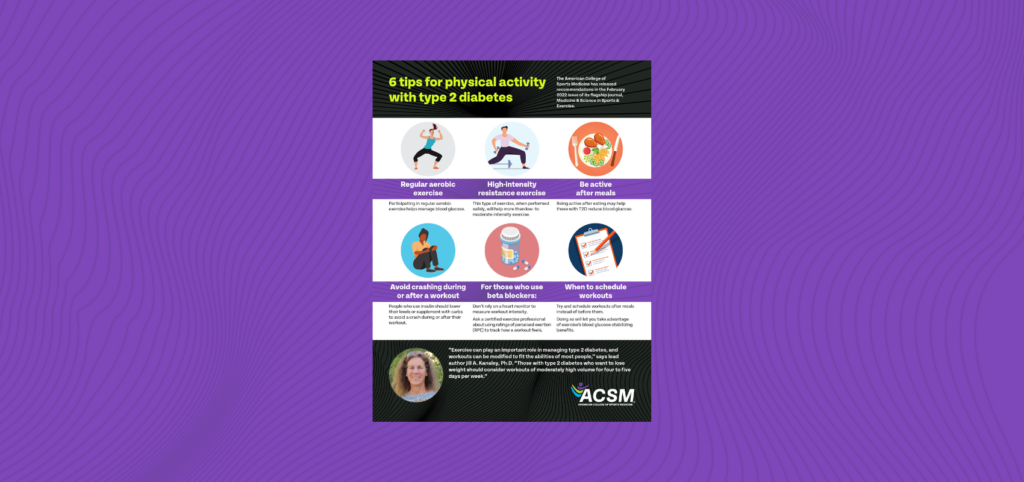
Research in exercise science confirms that physical activity can help prevent type 2 diabetes, as well as help patients manage its effects.
Biobanks and Advanced Genetics Bring New Tools to Exercise Sciences
To a varying extent, most human characteristics are heritable. The genetic component of physical activity behavior and many related physiological phenotypes has been established as polygenic. This means that variation in these phenotypes is explained by the contributions of hundreds or thousands of genetic variants, each of which has a small effect size. Advances in […]
ACSM to Publish Official Pronouncements Regarding Athletes Who Are Transgender

The American College of Sports Medicine (ACSM) is an organization of more than 50,000 members and certified professionals devoted to inclusive and safe physical activity, sport participation and competition for all. We acknowledge that there are conversations happening among various organizations related to the inclusion of athletes who are transgender in physical activity and sport. […]
25 Years of Physical Activity Time Trends Research

In developed countries, the life expectancy of adults has increased dramatically over the past century. This is largely due to decreases in smoking and reductions in infectious disease and cardiovascular disease brought about by modern medicine. However, due to a rise in labor-saving devices and electronic entertainment, many have suggested that we have engineered much […]
How to Get Started with a New Winter Sport
During the Olympics, we gather around our screens and watch in suspense as our favorite athletes battle it out for a spot on the podium. We say things like “that McTwist was insane!” or “I wish I could try that!” Some of us leap off the couch eager to practice. But for others, trying one […]
The Role of Acute Physical and Mental Activity in Concussion Recovery
The debate over the best methods for concussion recovery has been a key challenge to sports medicine providers over the last several decades. While rapid return to play, particularly when still symptomatic, is obviously inappropriate, the early recommendations suggested complete rest. This is sometimes referred to as “cocoon therapy,” where the patient is instructed to […]
Exercising in the Cold: Chilled, not Shaking!
Ok, so, we’ve taken the liberty to slightly “stir” the famous James Bond line. Hopefully you get our point that chilly is ok, but bone-shaking cold isn’t. Particularly when referring to exercising safely in the cold. As we continue through winter, many of your clients will be physically active or working outdoors. While we want […]
3 Essentials for Building a Home Gym
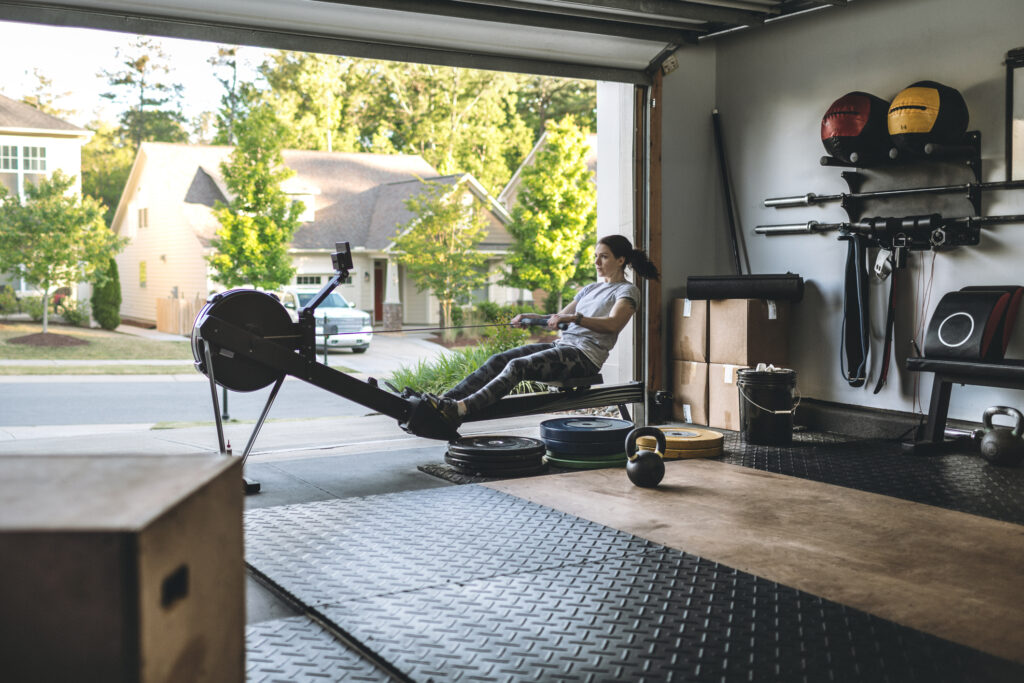
If you’re one of the many people whose exercise routine was interrupted by the pandemic, setting up a home gym could be the right choice in 2022. According to the 2022 ACSM Health & Fitness Journal Fitness Trends Survey, the number two fitness trend is home exercise gyms. Since online programs routinely offer 24/7 availability, including […]
From Bench-top to Bedside: Is Exercise Truly a Cancer Medicine?
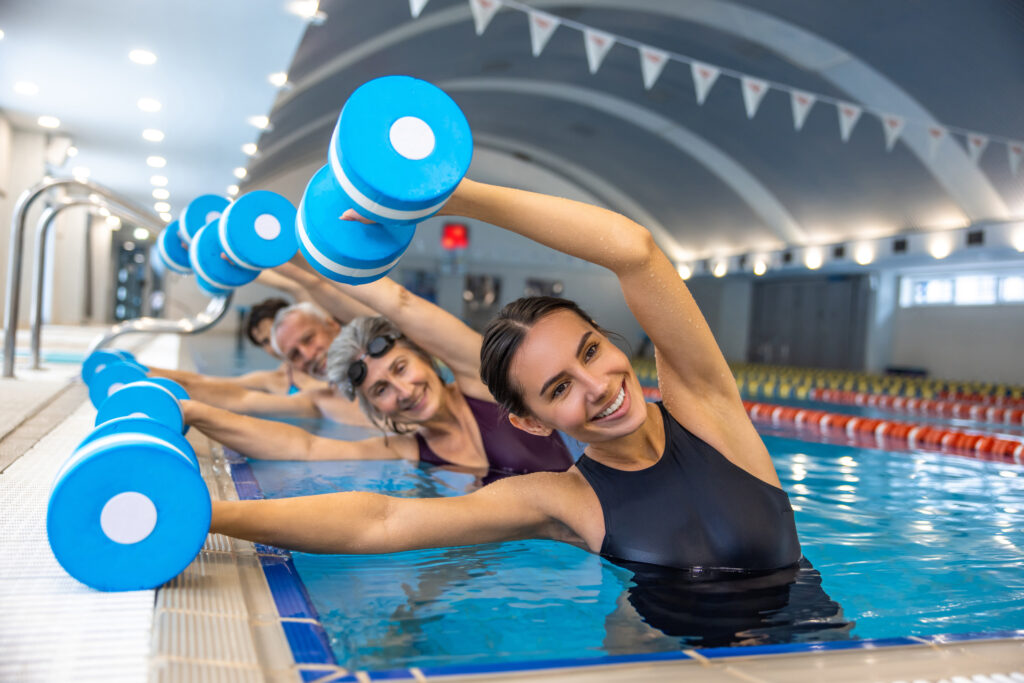
In 2009 our team published the Australian guidelines on exercise and physical activity for people with cancer emphasizing the imperative that clinicians should reject the rest strategy. Rather, patients should be physically active most days using a combination of aerobic and resistance training aiming to accumulate 75 to 150 minutes of moderate to vigorous exercise […]
One Number That Knows if You Are Active Enough
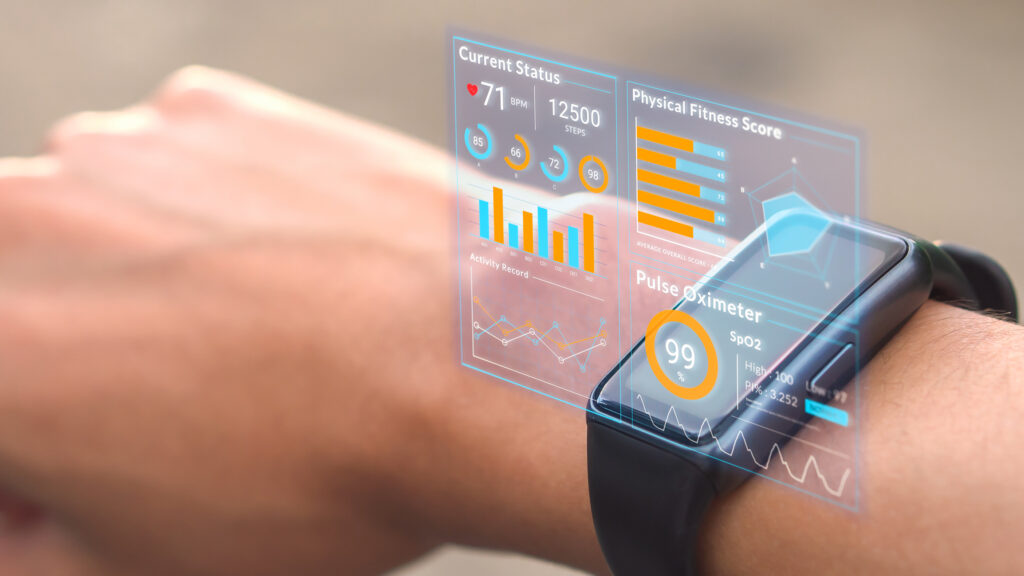
Personal Activity Intelligence (PAI) is a physical activity monitoring approach invented by researchers at the Norwegian University of Science and Technology around five years ago. It uses heart rate data (e.g., from a wrist-worn monitor) to provide the user with a single metric. This number reflects the amount and intensity of aerobic exercise a person […]