
Strength and mobility remain priorities as group fitness climbs in popularity
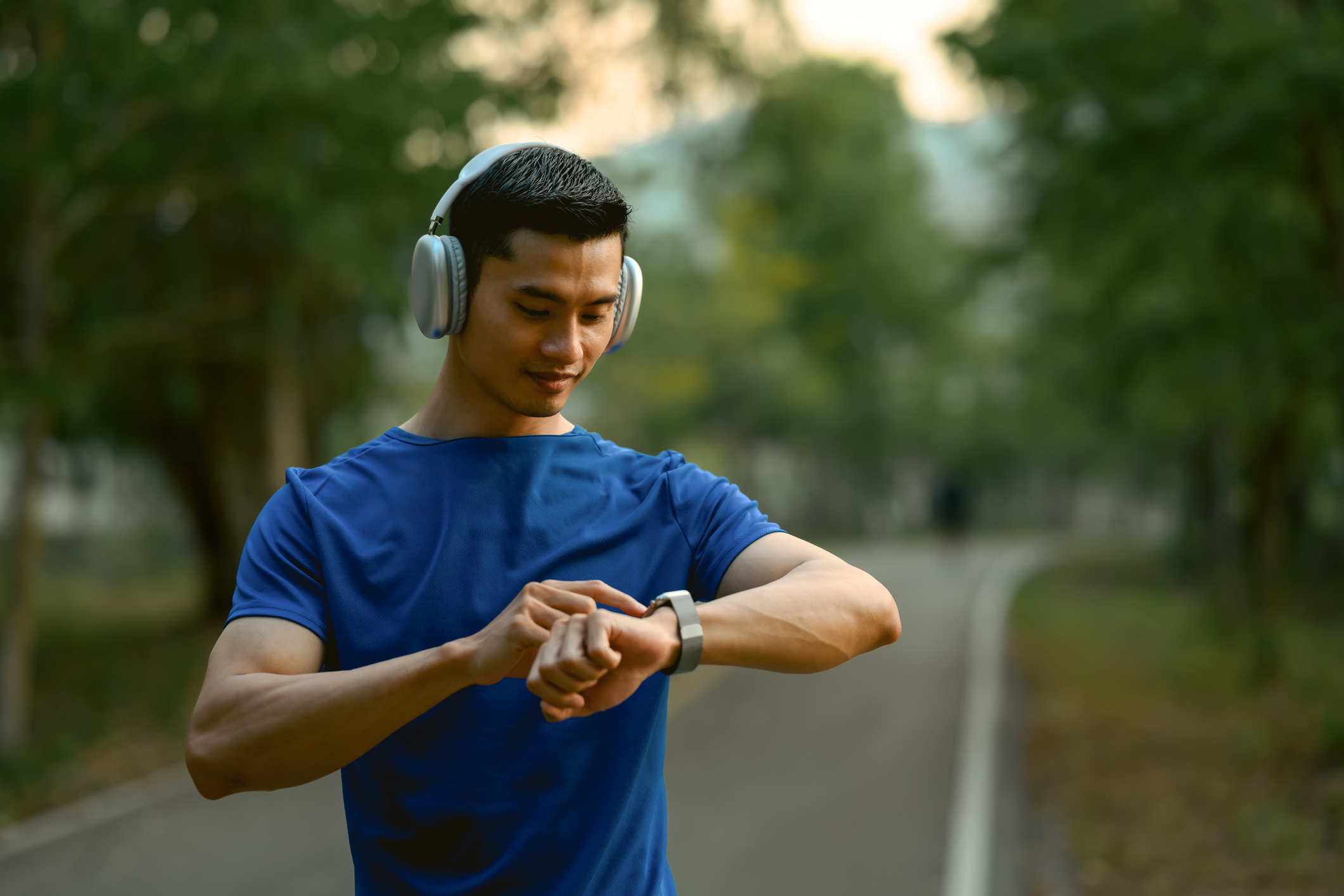
INDIANAPOLIS — Fitness in 2027 is taking shape on smartwatch screens, through workouts that build strength and mobility, and in group fitness studios around the world. The American College of Sports Medicine’s (ACSM) annual fitness trends report ranks wearable technology No. 1 for the 10th time, while rising interest in mobile exercise apps, balanced-focused training, and instructor-led fitness classes highlights multiple ways people are making movement part of their lives.
Published today in ACSM’s Health & Fitness Journal®, the 2027 ACSM Worldwide Fitness Trends report offers an annual look at the trends exercise professionals expect to influence the industry. Now in its 21st year, the report also underscores the continued prominence of strength training, healthy aging, weight management, and mental well-being.
“Technology continues to shape how people approach fitness, but this year’s rankings also highlight the value of shared experiences and programs that fit different stages of life,” said Cayla R. McAvoy, PhD, ACSM-EP, lead author and chair of ACSM’s Trends Workgroup. “For exercise professionals, the opportunity is to translate that interest into accessible, evidence-based programs people can sustain.”
Digital fitness leads, while shared workouts gain ground
Wearable technology has ranked among the top three trends every year since entering the survey in 2016. For 2027, it was the only trend to place among the top three across every professional role, work setting and experience category presented in the report.
Mobile exercise apps climbed from No. 4 to No. 2, while data-driven training technology held steady at No. 8. These rankings highlight the continually growing role of digital tools in supporting individualized training.
Group fitness classes jumped six places, from No. 13 to No. 7, and balance, flow, and core strength—a trend that includes Pilates, yoga, barre, and mobility-focused training—rose from No. 5 to No. 3. This growth points to the increased demand for expert-guided movement and opportunities to build social connections through exercise.
ACSM’s top 10 fitness trends for 2027
- Wearable Technology. Smartwatches and wearable sensors remain the leading trend, putting real-time feedback about activity, intensity, sleep and recovery at users’ fingertips.
- Mobile Exercise Apps. Climbing two places, apps make fitness more accessible through on-demand workouts and virtual instruction that fit around busy schedules.
- Balance, Flow, and Core Strength. The growing popularity of Pilates, yoga, and barre propels this category into the top three, bringing greater attention to movement quality and functional performance.
- Fitness Programs for Older Adults. Programs supporting functional capacity, quality of life, and independent living remain among the top five for a fifth consecutive year.
- Traditional Strength Training. Rising two spots, resistance training remains a foundation of fitness—with ACSM’s latest guidance emphasizing consistency over complexity.
- Exercise for Weight Management. Exercise remains central to weight-management programs, with growing attention to preserving muscle and physical function as obesity management medications become more widely used.
- Group Fitness Classes. A six-place jump puts shared workouts back in the spotlight, pairing expert instruction with social connection that can improve exercise adherence.
- Data-driven Training Technology. Measures such as sleep quality, heart rate variability and training load help professionals tailor exercise and recovery strategies.
- Exercise for Mental Health and Well-Being. The benefits of movement extend beyond physical fitness. Programs supporting mood and stress management keep this trend in the top 10 for the fourth year.
- Influencer/Ambassador-led Fitness Programs. Making a resurgence after falling out of the top 20 in 2026, this trend of programs built around fitness creators’ online followings highlight social media’s power to shape exercise habits—and the importance of credible guidance.
What the rankings mean for consumers
The report highlights a range of entry points for physical activity, from app-based workouts to strength training and group classes. Its practical message is to match exercise options to individual goals, abilities and preferences.
As digital tools and influencer-led programs attract attention, the authors emphasize the importance of qualified professional guidance and evidence-based practices. A high trend ranking reflects industry visibility and adoption; it does not establish that a particular product or program is effective.
About the survey
The featured rankings draw on the responses of more than 1,400 fitness professionals. Respondents rated 50 potential trends according to how widely they observed them in the industry, rather than personal preference or perceived health benefits. The report also presents separate international rankings, providing context on similarities and differences across participating countries and regions.
View the full report and top 20 rankings here.
Additional resources on the top fitness trends can be found at acsm.org/trends.
###
About ACSM
The American College of Sports Medicine® is the largest sports medicine and exercise science organization in the world, with nearly 50,000 members and certified professionals in more than 100 countries. Together, ACSM is committed to the mission of educating and empowering professionals to advance the science and practice of health and human performance. ACSM advocates for legislation to help the government and health community make physical activity a priority. Learn more at www.acsm.org.
Media contact: Caitlin Kinser, CAE ckinser@acsm.org