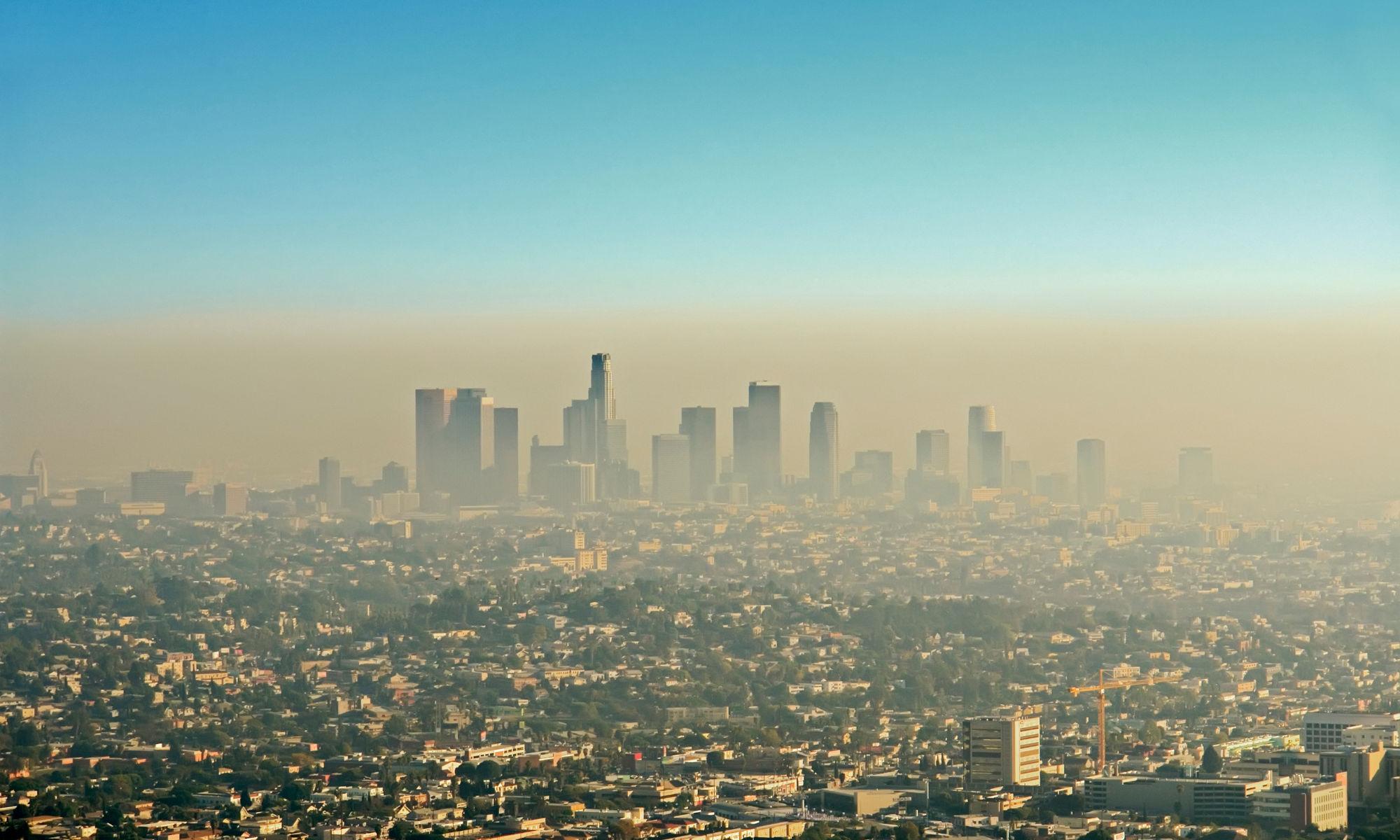
There is incontrovertible evidence linking poor air quality to adverse health outcomes. This is especially true for people with pre-existing conditions such as heart disease, stroke, asthma and chronic obstructive pulmonary disease. However, healthy people are at risk too. Exposure to air pollution has been linked to a higher risk of developing asthma, and recent studies have identified links between air pollution and adverse pregnancy outcomes.
The American Fitness Index added air quality as an indicator of a healthy and fit city for the first time with the 2019 rankings release. The Fitness Index used the Air Quality Index (AQI) from the Environmental Protection Agency which measures major air pollutants, including particle pollution, ground level ozone, sulfur dioxide and nitrogen dioxide, and carbon monoxide. The Fitness Index’s 2019 Summary Report notes that the 100 largest cities in the U.S. average only 62 percent of the year with good air quality. That means for over a third of the year residents in these cities are breathing polluted air that is harmful to their health.
The AQI provides guidance as to the safety of the air quality. You can download the airnow.gov app for your smart phone or visit www.airnow.gov, and review the AQI for an entered zip code.

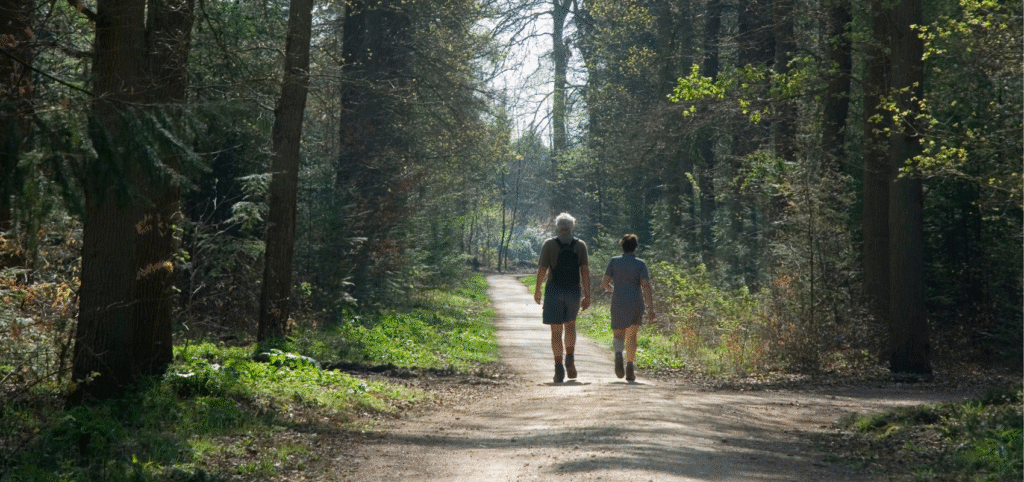
Of course, we want people to be physically active, and better yet, to be active outdoors. While air pollution can affect your health, the health benefits of being physically active outweigh the risks of air pollution for most healthy individuals. However, it is important to keep in mind that an adult exercising at a moderate level of exertion exchanges about six liters of air per minute! An athlete running at 70 percent of their maximal oxygen uptake for the length of a marathon inhales the same volume of air as a sedentary person does in two days!
Tips to maintain an active lifestyle when air quality is poor:
- Exercise earlier in the day. Both particulate pollution and ground level ozone tend to accumulate throughout the day.
- The vast majority of air pollution comes from tailpipes – cars and trucks on the road – so avoid outdoor activity during commuting time (7:30 a.m. – 9:00 a.m., and 4:00 p.m. – 7:00 p.m.), and when possible avoid exercise next to heavily trafficked roadways.
- Consider indoor activity opportunities like going to the gym, walking laps at the mall or working out along with an exercise video (local libraries often lend these for free).
- It is important to note that a scarf or paper mask does not protect you from the poor air quality.
Finally, think about what you can do as an individual to reduce your contribution to poor air quality by using public transportation when possible, walking or biking to work or school, combining driving trips, eliminate idling, avoiding wood-burning and replacing or installing ultra-low nitrogen oxide water heaters. If we all do our part to clean the air, it will make the environment safer for the outdoor activities we love.
Liz Joy, MD, MPH, FACSM, Intermountain Healthcare