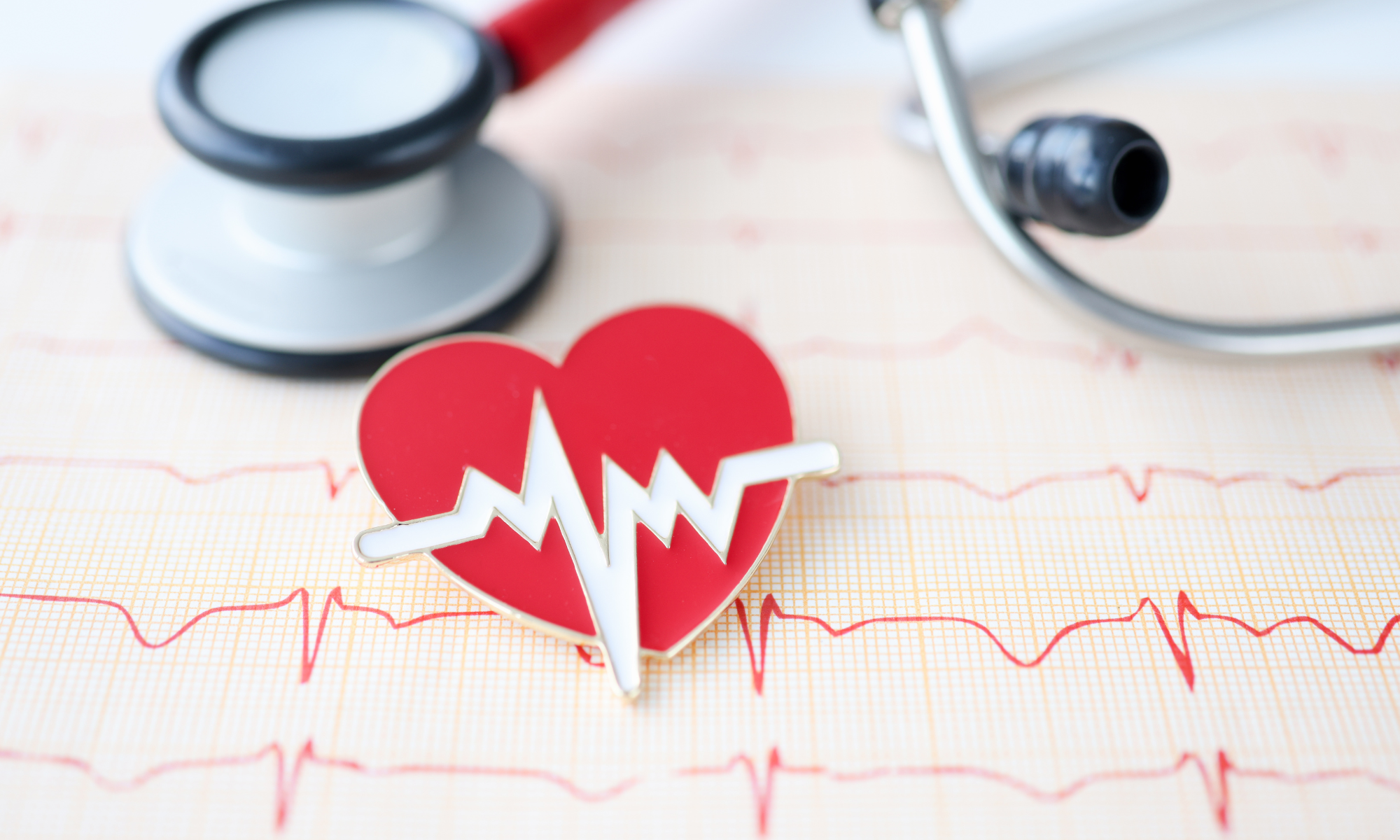
Did you know heart disease is the #1 killer of women, claiming more lives than all forms of cancer combined? High blood pressure accounts for one in five deaths among women in the U.S. and is a major risk factor for cardiovascular disease. While these statistics might surprise you, February as American Heart Health month serves as a crucial reminder: taking charge of your heart health is essential.
Women of all ages should be aware of heart health risks, especially women with diabetes or obesity and those who smoke. High blood pressure occurs in one in 12 pregnancies in women 20-44 years old, putting both mother and baby at risk. Women in menopause and perimenopause, which can start as early as 35 years old, can start to experience lipid profile changes (high triglycerides and low HDL), accumulating visceral and paracardial fat, and high blood pressure. All of which puts them at increased risk for cardiovascular disease and metabolic syndrome for up to 40% of their lives.
It’s important to know that while women also experience chest pain as a heart attack symptom, it may not be constant or as severe as in men. Women often describe their symptoms as pressure or tightness and they are more likely to report symptoms unrelated to chest pain, such as:
- Neck, jaw, shoulder, upper back or upper abdomen discomfort
- Shortness of breath
- Pain in one or both arms
- Nausea or vomiting
- Sweating
- Lightheadedness or dizziness
- Unusual fatigue
- Heartburn
Given these symptoms and the range of potential causes, it’s extremely important for women to be strong advocates for proper testing and treatment when seeking medical care. Women are less likely than men to be treated with aspirin and statins, to have coronary bypass surgery, or to be referred for cardiac rehabilitation, all of which show benefits in both men and women. Don’t be afraid to be your own advocate. Remember, the squeaky wheel gets the grease.
- Gather information: Learn about your family history, risk factors and symptoms.
- Ask questions: Don’t hesitate to ask your doctor about any concerns you have, no matter how small they seem.
- Seek second opinions: If you feel unheard or unsatisfied with your diagnosis or treatment plan, consider seeking another doctor’s perspective.
Knowledge is power! By understanding your risks and taking proactive steps, you can significantly reduce your chances of developing heart disease. Empower yourself and the women in your life with the curated blogs and resources offered below to create a plan for a healthier heart and a healthier you.
Resources
ACSM Heart Health | Trending Topic
U.S. Surgeon General’s Call to Action to Control Hypertension
Live to the Beat” Campaign Toolkit (focused on reducing risk in Black adults) | Million Hearts (CDC & CMS initiative)
High Blood Pressure During Pregnancy | CDC
Heart Attack Symptoms in Women | American Heart Association