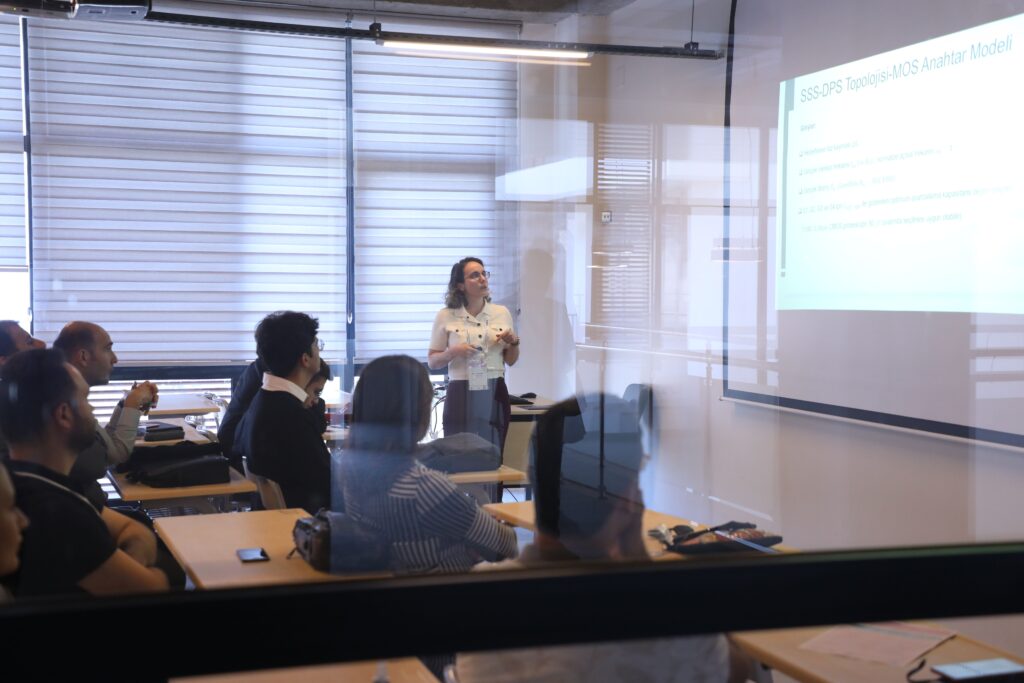
I am a physical therapist and educator in a Physical Therapist Assistant program, while continuing to practice clinically in an outpatient therapy setting. During my career, I have especially valued working with older adults. I have seen firsthand how even small improvements in mobility can impact a person’s independence, confidence, and quality of life. During therapy sessions, my patients and I often exchange stories. They tell me about their younger years, and I tell them about Super Hazel.
Super Hazel was my grandmother—a formidable woman who stood only 4 feet 8 inches tall, but whose personality and strong will could fill a room. Born in 1911, she lived through the Great Depression and witnessed more than a century of change. Throughout it all, movement remained a pillar of her life.
Growing up on a farm, hard work and physical activity were necessities. But when she moved across the country and raised her own family in a more suburban environment, movement was no longer automatically built into daily life. She had to make it intentional.
Super Hazel walked daily and played tennis. Even when the weather was cold and rainy, she insisted on completing a one-mile evening walk before relaxing for the night. Her pace was always quick and you always felt like you were jogging to keep up with her.
I sometimes wonder whether that nightly mile was about staying healthy or simply checking another item off her list. Either way, she moved.
Hazel also took an active role in her own health. She kept up with the latest health and exercise information, faithfully reading the Mayo Clinic Health Letter and sharing what she learned with others. She didn’t wait for someone to tell her that movement was important. She believed in it, sought out information about it, and advocated for staying active throughout her life.
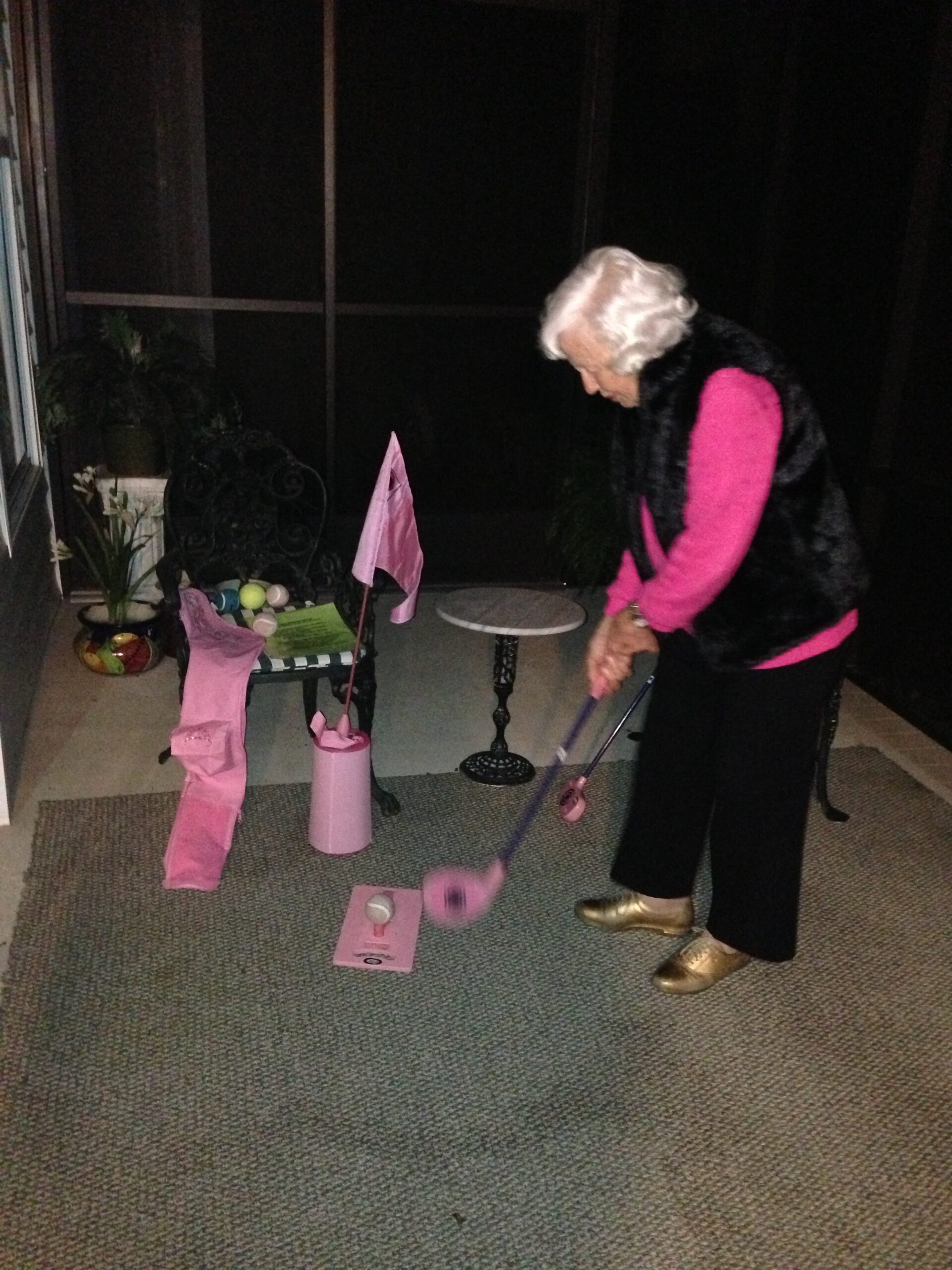
As Hazel aged and tennis became too challenging, she didn’t give up exercises, but she adapted it and she took up golf! Even in her late 90s and early 100s, she worked with a personal trainer at a local gym who encouraged her to lift weights and maintain her strength. While her medical providers marveled at her health and longevity, describing her as something of a “miracle,” it was her personal trainer who consistently supported her belief that exercise and strength training still had a place in her life, regardless of her age.
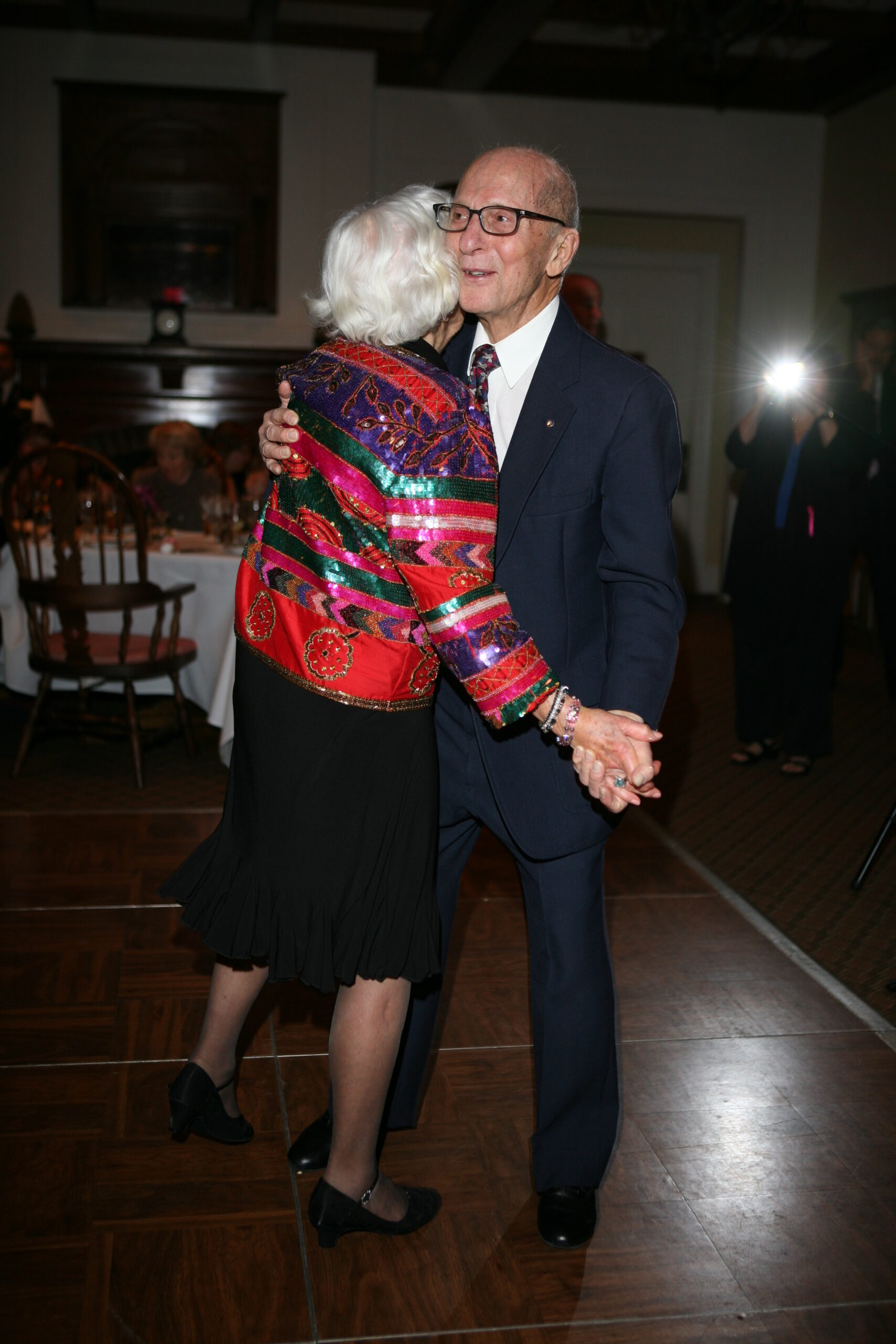
At 104, she was interviewed by a local newspaper about her secret to a long and healthy life. She talked about healthy eating and exercise. By then, she was walking with a cane, but she had discovered another favorite activity: dancing.
“That’s the one thing I still seem to be able to do. I can still dance—not like I used to, but I can still dance. I’m happy about that because it’s good exercise.”
Hazel’s friend Fred was in his late 90s, and every Friday, they headed to the dance floor and exercised together.
Super Hazel’s story embodies what Exercise is Medicine means to me.
Exercise doesn’t always have to look like running a marathon or lifting weights in a gym. It can be walking a mile, changing activities when your body demands it, working with a trainer, or dancing on a Friday night when you’re 104.
As physical therapist, I understand that movement affects strength, balance, endurance, function, and independence. But exercise can offer something equally important: the ability to continue participating in the life you value.
Super Hazel lived to be 106. She would tell you that exercise and healthy eating were the secrets to her independent living. We know there are many factors involved in healthy aging, and physical activity is one of them. What inspires me most about Hazel is that she continued to learn, adapt, and find ways to remain active as her abilities changed.
Super Hazel continues to inspire the way I talk to my patients and teach my students. Her life reminds me that our goal shouldn’t simply be to help people exercise. It should be to empower them to keep moving, keep adapting, and keep participating in their lives for as long as possible.