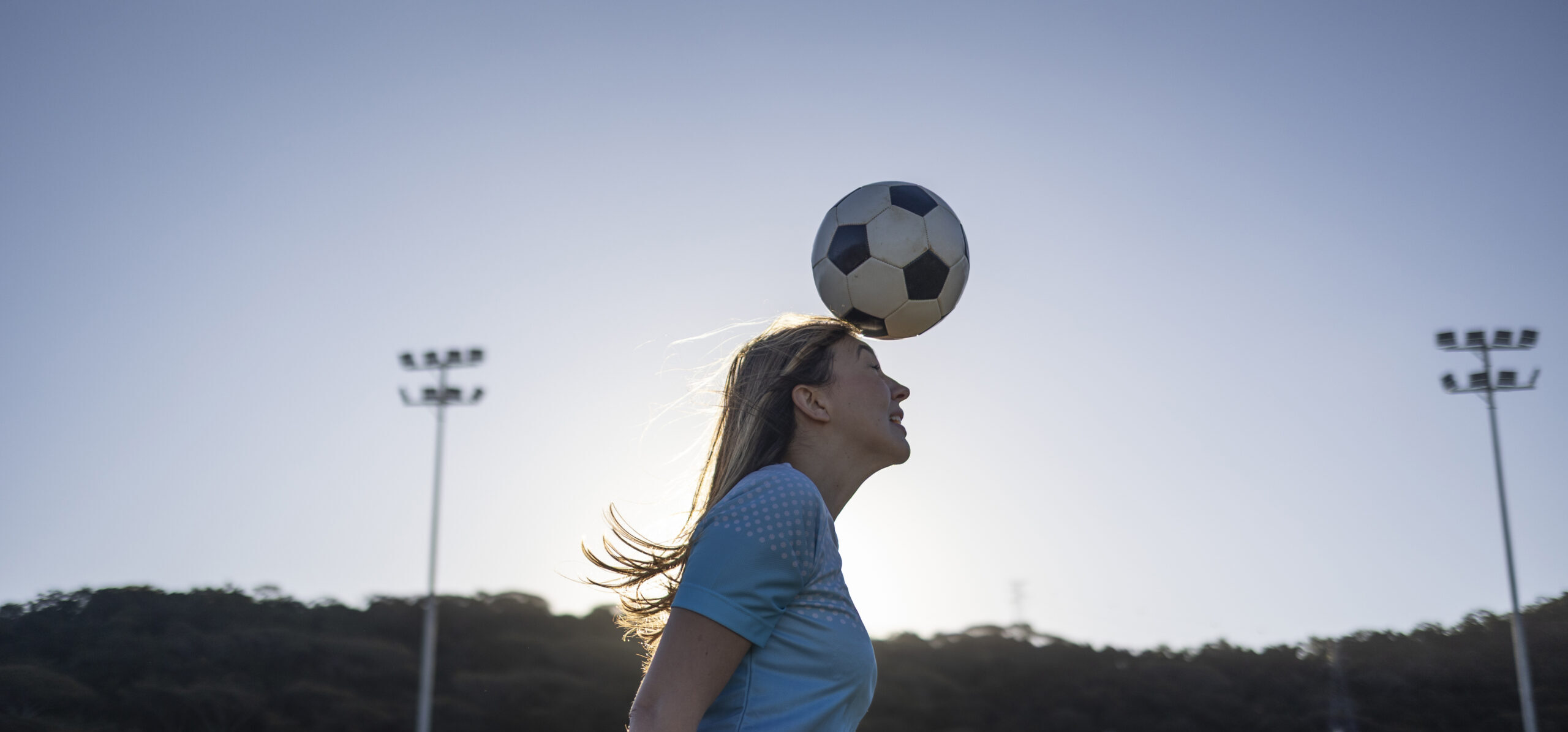
For decades, the goal was to get girls and women into sport. Title IX helped accomplish that mission. Today, girls who benefited from those opportunities are competing in record numbers, returning to sport after pregnancy, and remaining active well into older adulthood.
Participation is no longer the challenge. Now the challenge is to ensure women receive the care, support, and evidence-based guidance they need to remain healthy and active throughout their lives. Addressing this obstacle requires an updated model of sports medicine that integrates multidisciplinary clinical care, rehabilitation, exercise science, and research around the unique needs of active females, including adolescents/puberty, pregnancy, and across the lifespan.
The Gaps
While sport participation for women has transformed over the years, the systems designed to support female athletes, from adolescence to aging, have not kept pace. Too often, research, healthcare, rehabilitation, and performance support remain disconnected, leaving girls and women to connect the dots themselves or perhaps not seek care at all (Figure 1).
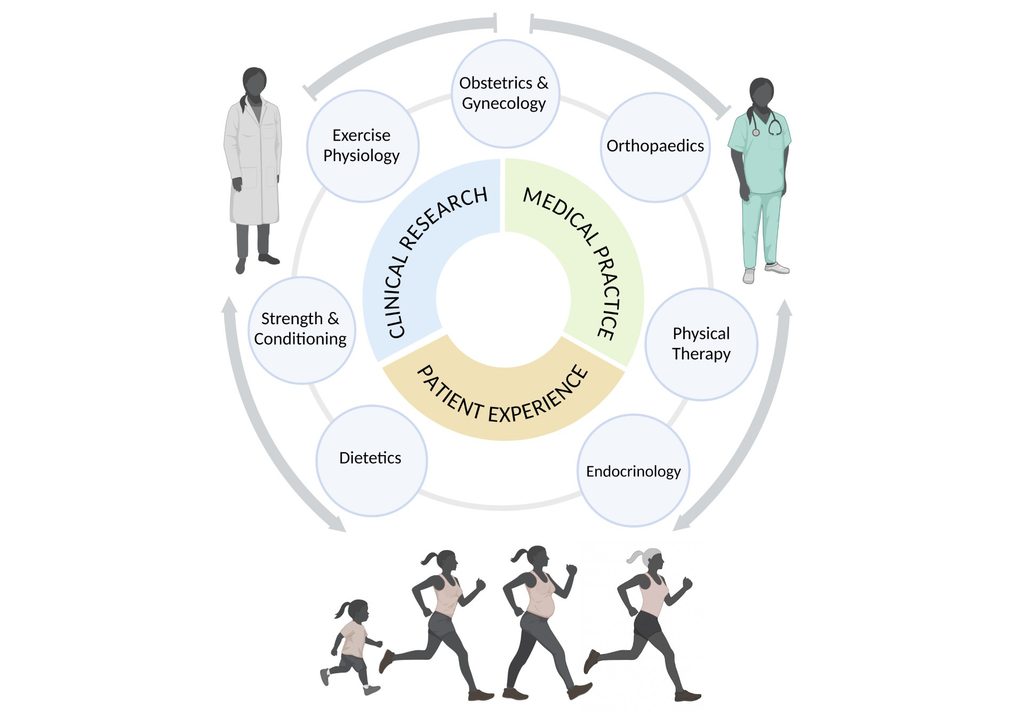
Figure 1: The role of female athlete interaction with medical providers and clinical researchers.
When people think about female athlete health, conversations often focus on anterior cruciate ligament injuries or Relative Energy Deficiency in Sport (RED-S), yet these topics represent only a fraction of the challenges women encounter. Questions remain around exercise adaptation and recovery, pregnancy and postpartum return-to-play, pelvic floor health, menopause, injury prevention, and healthy aging.
Many of these issues do not fit neatly within a single specialty, requiring expertise that spans sports medicine, rehabilitation, exercise science, nutrition, and women’s health. Answers to these questions are certainly important, but so too is ensuring that new discoveries reach the clinicians, therapists, coaches, and exercise professionals responsible for supporting women every day.
The Opportunity
If the future of medicine is precision care, the future of women’s sports medicine must be integrated care. No single discipline owns the female athlete. Athletes move between physicians, physical therapists, strength coaches, nutrition professionals, researchers, and OB/GYN providers, yet these groups often work in parallel rather than together.
The greatest opportunity in women’s sports medicine may involve building systems that move evidence into practice and connect experts across disciplines. Time and resources should be dedicated to building cross collaborations between sports medicine, orthopedic surgery, physical therapy, obstetrics/gynecology, exercise physiology, nutrition, strength and conditioning. Research should not sit adjacent to care, but be embedded within it, informing practice and allowing a more evidence-based approach to women’s healthcare, just as clinical care should be used to inform research.
As the Title IX generation ages, alongside the continual new generations of female athletes, success will depend on how effectively researchers, clinicians, rehabilitation specialists, coaches, and exercise professionals work together to support women through every stage of life. To put this call to action into practice, we suggest multidisciplinary women’s healthcare and research centers, with the inclusion of shared clinical-research databases and the longitudinal tracking of physical activity, injuries, symptoms, training adaptations, and health outcomes.
The growing use of wearable technologies and menstrual cycle tracking tools presents a unique opportunity to better understand women’s health in real-world environments. When integrated thoughtfully into clinical care and research, these tools may help track symptoms, training responses, recovery, and long-term health outcomes, creating new opportunities for personalized care.
The Future
The female athlete is no longer defined by a single season, injury, or life stage. She is a lifelong athlete whose needs evolve from puberty through older adulthood. Meeting her needs will require more than individual discoveries. It will require integrated systems where research informs care, care informs research, and multidisciplinary teams work together to translate knowledge into action.
The good news is that scientists and clinicians are starting this work and representation of women in science is improving and expanding. Institutions such as the Women’s Health Sports & Performance (WHSP) Institute, Stanford Female Athlete Science and Translation Research (FASTR), the UNC Sports Medicine Institute Women’s Health Program, and others, are helping establish this blueprint, demonstrating that the future of women’s sports medicine lies not in isolated expertise, but in collaborative models that translate research into clinical care.
Researchers across disciplines are advancing the understanding of female physiology, injury prevention, recovery, performance, and healthy aging. At the same time, innovative centers around the country are demonstrating how collaborative models can bridge the gap between research and patient care.
The female athlete does not retire, and the science and care that support her shouldn’t either.

Gabrielle M. DelBiondo, MA, is a doctoral student in the Human Movement Sciences Curriculum within the Department of Health Sciences at the University of North Carolina at Chapel Hill. Gabrielle is developing a research line centered on female physiology across the lifespan, sports nutrition, dietary behaviors, exercise interventions, and metabolism, with the goal of advancing evidence-based approaches to optimize health and quality of life for all women.
Abbie E. Smith-Ryan, PhD, FACSM, is a professor in the Department of Exercise and Sport Science and adjunct Professor in the Department of Nutrition at the University of North Carolina at Chapel Hill. She is an internationally recognized exercise physiologist whose research focuses on critical gaps in women’s health, and includes bridging exercise science and clinical practice to advance women’s health, performance, and healthy aging across the lifespan.