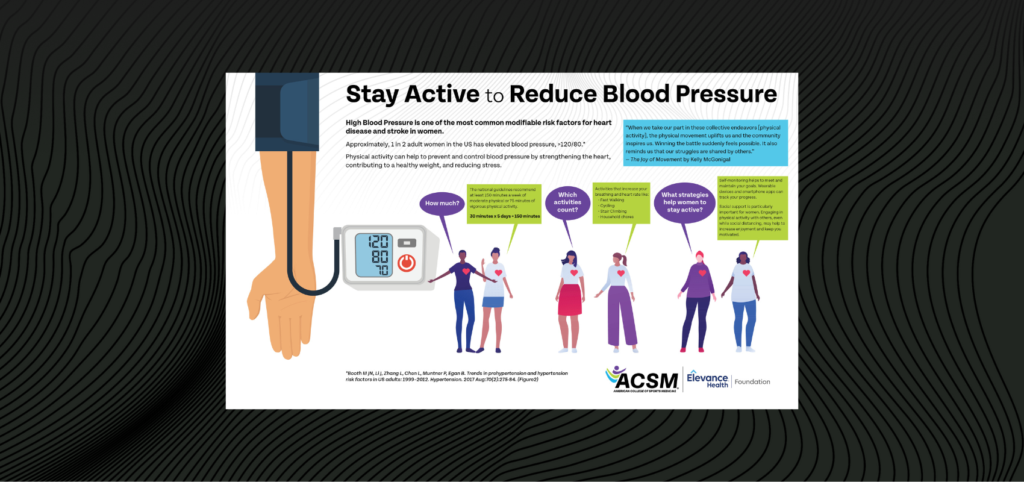
Cardiorespiratory fitness reflects integration of several body systems, including the cardiovascular, respiratory and musculoskeletal systems. It helps optimize heart health
3 Key Points: Cardiovascular disease (CVD) is the leading cause of death in the United States (U.S.) and accounts for
16 min read
GSSI Pre-Conference
The Physiology of Hydration: More Than Water Alone
This session explores the physiology of hydration through an integrated lens—examining how carbohydrate, sodium, flavor, and fluid interact to influence intake, absorption, retention, and performance. We’ll review current research on fluid balance, osmotic drivers, and palatability, highlighting mechanisms that underpin voluntary intake and thermoregulation. Attendees will gain insight into individualized strategies, including sweat profiling and timing approaches, to optimize euhydration and mitigate performance decrements associated with >2% body-mass loss. Practical applications will be linked to laboratory- and field-based research, ensuring translation from bench to field. This pre-conference equips you with evidence-based tools to support athlete hydration across diverse environments and sporting contexts.
Session 1: Sweating the detail: New insights on hydration considerations for athlete performance
Lewis James, PhD, Associate Professor in Human Nutrition in the School of Sport, Exercise and Health Sciences at Loughborough University
Session 2: Functional ingredients in fluid replacement beverages for athletes
Lindsay Baker, PhD, Director at the Gatorade Sports Science Institute
Session 3: The hydration toolkit: Practical approaches to athlete support
Floris Wardenaar, PhD, Associate Professor at the College of Health Solutions at Arizona State University